WIPO identifies potential technology priorities for Việt Nam
The five areas are digital technology, semiconductors, high-speed rail, energy and advanced materials and robotics and automation, based on an assessment combining patent data with indicators of innovation capacity.

HÀ NỘI — The World Intellectual Property Organisation (WIPO) has identified five potential technology areas for further analysis in Việt Nam as the country seeks to strengthen its strategic technology capabilities.
The five areas are digital technology, semiconductors, high-speed rail, energy and advanced materials, and robotics and automation, based on an assessment combining patent data with indicators of innovation capacity.
WIPO plans to select one priority area for an in-depth analysis in the next phase, along with up to two additional areas, it said.
The analysis will assess Việt Nam's technological strengths and capacity gaps, identify technologies that may need to be sourced from abroad, and explore potential partners for cooperation. The findings are expected to help guide research and development, investment and technology transfer decisions.
The Ministry of Science and Technology's Intellectual Property Office of Vietnam held a technical session with WIPO in Hà Nội on Wednesday to discuss a patent outlook report for strategic technologies.
The report analyses patent filings, protection status, technology development trends and leading entities in specific fields, the office's deputy director general Lê Huy Anh said at the meeting.
Following WIPO director general Daren Tang's visit to Việt Nam in 2025, the two sides have stepped up cooperation in intellectual property, including WIPO's support for Việt Nam in developing detailed patent outlook reports covering three strategic technology areas, Anh said.
The reports are expected to help Government agencies formulate policies and allocate resources, while helping research institutes, universities and businesses identify technology gaps and determine research and development priorities.
He added that relevant agencies will continue discussions on selecting three areas for WIPO to examine in greater depth.
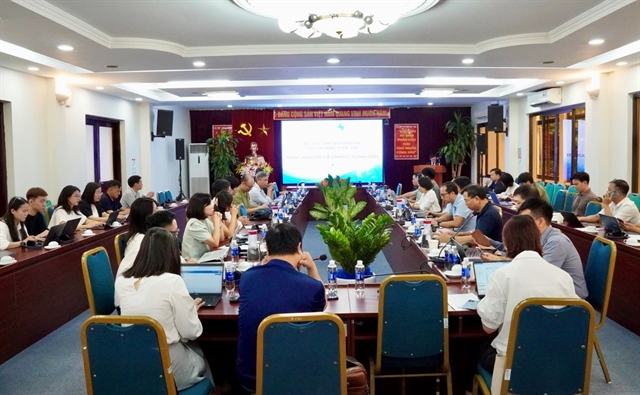
Christopher Harrison, Patent Analytics Manager at WIPO, said patent data could provide insights beyond legal ownership, including the direction of technological development, areas where innovation is concentrated, leading organisations and emerging capabilities.
Harrison said the value of patent analysis lies not in the quantity of data, but in asking the right questions, choosing the right methods and translating the results into information that can be used in practice.
Such analysis can support decisions on research and development priorities, investment, capacity building, technology transfer and commercialisation, alongside scientific, policy and economic assessments, he said.
According to Harrison, more than 100 million patent documents have been published worldwide, providing a large source of technical information for researchers, policymakers and businesses.
Việt Nam filed about 11,000 patent applications between 2006 and 2026, of which roughly 9,000 were related to 10 strategic technologies, according to figures presented at the meeting.
He said analysing information on patent applicants, inventors, technology fields, filing dates and the scope of protection can help identify technology trends, potential markets, leading players and opportunities for collaboration.
WIPO said using global patent data could help Việt Nam identify technological gaps and opportunities for technology acquisition, licensing, cooperation and transfer. — VNS