Vinasoy ramps up exports, invests in sustainable soybean supply chain
Vietnam Soya Products Company (Vinasoy) is focusing on exports as it plans to make overseas sales one of its key growth drivers in the years ahead.
HCM CITY — Vietnam Soya Products Company (Vinasoy) is focusing on exports as it plans to make overseas sales one of its key growth drivers in the years ahead.
Vinasoy's products are now available in several foreign markets, including the US, Japan, South Korea, Taiwan (China), China, and a number of Southeast Asian countries, according to a company spokesperson.
Following years of investment in market research and product development, Vinasoy has achieved strong export growth, with export revenues surging 116 per cent in 2025 and a further 184 per cent in 2026.
Growing consumer interest in healthier lifestyles, balanced diets, and sustainable consumption is fuelling global demand for plant-based products made from soybeans and other nuts and seeds.
Rather than pursuing rapid expansion at any cost, Vinasoy is focused on building long-term competitiveness through product quality, scientific research, manufacturing technology and expertise in plant-based nutrition.
"With nearly three decades dedicated to soybean and plant-based nutrition research, and as one of the world's five largest soy milk producers, Vinasoy is steadily expanding the global reach of Vietnamese plant-based nutrition products while reinforcing the competitiveness of Vietnamese businesses in international markets," he said.
Vinasoy plans to both strengthen its presence in existing markets and enter high-growth markets for plant-based products, particularly in the Asia-Pacific region.
Data from Kantar Worldpanel shows the global plant-based food and beverage market will grow from US$29 billion in 2021 to around $162 billion by 2030. The Asia-Pacific market is expected to reach $65 billion by 2030 and account for roughly 40 per cent of the industry's growth.
Vinasoy also sees great potential in the domestic market. With a more than 90 per cent share of Việt Nam's packaged soy milk market, it expects continued growth in the country's plant-based beverage sector.
Kantar Worldpanel has estimated that two-thirds of Vietnamese consumers are willing to incorporate alternative proteins into their diets. The country's plant-based food and beverage market is forecast to reach $249 million by 2027, highlighting its strong growth potential in the years ahead.
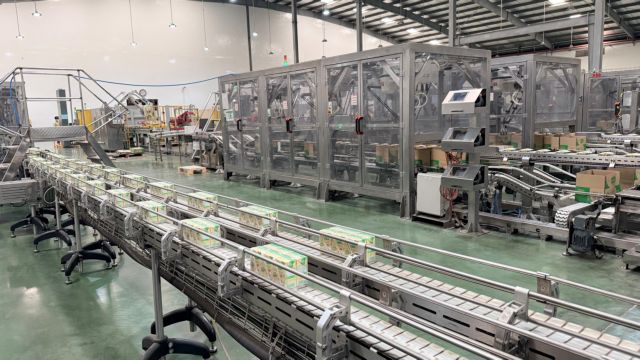
To deliver high-quality products, Vinasoy invests heavily across its value chain, from selecting raw materials and processing technologies to adopting modern packaging solutions and advanced management systems, and these help preserve the distinctive taste of soybeans and ensure quality, safety, and convenience, according to Lê Hoàng Duy, director of the Vinasoy Soybean Application Research Centre.
The company is also investing in the long-term development of domestic soybean supply chains.
Its strategy rests on three pillars: developing new soybean varieties, advancing cultivation techniques and mechanisation, and working closely with farmers through technology transfer and guaranteed purchase agreements.
Building on a non-GMO soybean gene bank containing more than 2,200 genetic resources collected from Việt Nam and abroad, it is applying advanced breeding technologies to develop high-yield varieties tailored to specific product lines and suited to local growing conditions.
The company is also piloting sustainable crop rotation models incorporating soybeans in key agricultural regions, including the Central Highlands, the Red River Delta, and the Mekong Delta. — VNS