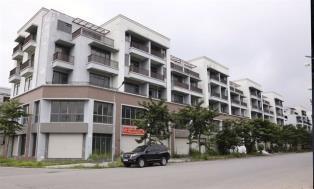
Việt Nam prioritises rental housing as social housing targets lag
In the third quarter of 2026, the country had 2,221 real estate projects with total investment of about VNĐ6.7 quadrillion (US$260 billion).
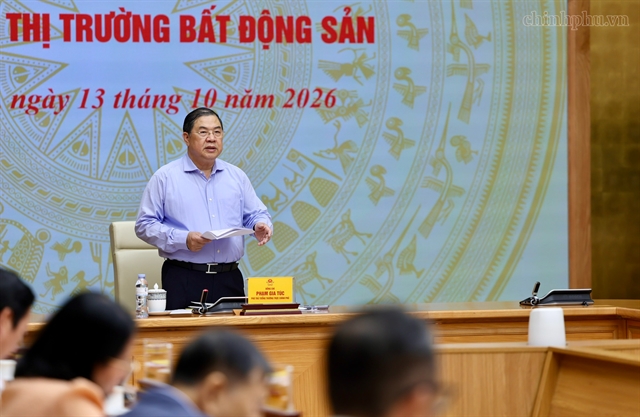
HÀ NỘI — Rental housing development will be prioritised and efforts accelerated to resolve stalled real estate projects, Deputy Prime Minister Phạm Gia Túc said on Tuesday, as the country’s social housing construction is falling far short of its 2026 target.
Speaking at the first meeting of the restructured Central Steering Committee on Housing Policy and Real Estate Market, Túc said the country completed nearly 47,000 social housing units in the first nine months of 2026, about 48 per cent of the target of more than 97,000 units assigned to localities for the year.
Despite progress in housing development and real estate market management, the sector continues to face three major challenges: slow social and rental housing development, high housing prices, and persistent obstacles to real estate projects, he said.
Housing remains unaffordable for most people, particularly workers and labourers, as well as some public officials and civil servants, while unsold property inventories are rising and access to credit remains difficult, according to Túc.
He said the Prime Minister has instructed the Ministry of Construction to review unsold real estate inventories and propose appropriate solutions, while addressing barriers to credit access, particularly policy-based lending for housing development.
Many real estate projects also remain stalled because of long-standing legal, land-related and financial obstacles, requiring prompt action to mobilise resources and support market development, he added.
The deputy PM called on ministries, agencies and local authorities to identify priority tasks for the remainder of the year and clearly assign responsibilities according to their mandates, stressing that each task should be assigned to a single agency or organisation to ensure clear accountability and effective implementation.
Local authorities should resolve issues within their jurisdiction, while matters falling under the authority of ministries and agencies should be handled by those bodies. Issues requiring the Prime Minister's intervention or exceeding his authority should be reported for consideration.
The State is also working to amend regulations on land, housing and real estate business to remove institutional barriers and facilitate new projects, Túc said, adding that reasonable proposals from business associations and companies would be considered.
Transactions fall, unsold inventory rises in Q3

At the meeting, Deputy Minister of Construction Nguyễn Văn Sinh said Việt Nam recorded about 92,000 successful real estate transactions in the third quarter of 2026, down 8 per cent from the previous quarter, while unsold property inventories rose.
The country had 2,221 real estate projects with total investment of about VNĐ6.87 quadrillion (US$260 billion) over the same period, Sinh said.
Apartment and land prices in the secondary market eased from the second quarter, but remained high in major cities. Meanwhile market liquidity stayed low, with transactions concentrated in projects with clear legal status and favourable locations, according to the deputy minister.
Data from the ministry reported by 27 of 34 localities nationwide showed real estate inventories of about 51,950 units and land plots in the third quarter, an increase from the previous quarter.
The figures covered inventory reported by developers and did not reflect the full scale of capital tied up in unfinished projects or difficulties facing secondary-market transactions, Sinh said.
Meanwhile, the country had 947 social housing projects, comprising 910,933 units that had been completed, were under construction or had received investment approval, equivalent to about 91 per cent of the target under its plan to develop at least one million social housing units, according to the ministry.
Rental housing development also progressed, with 8,314 units completed by the end of the third quarter, equivalent to 48 per cent of the annual target. The ministry forecast that 18,049 units would be completed by year-end, or 105 per cent of the plan.
Real estate credit
Outstanding real estate loans reached about VNĐ5.23 quadrillion at the end of August, accounting for more than 25 per cent of total credit to the economy, Deputy Governor of the State Bank of Vietnam Nguyễn Ngọc Cảnh told the meeting.
A preferential credit programme for social housing development under Resolution 33/NQ-CP expanded from VNĐ120 trillion to more than VNĐ153 trillion, with 11 commercial banks participating.
By August 31, committed lending under the programme had reached about VNĐ50.3 trillion, while disbursements totalled around VNĐ17.5 trillion, 2.3 times the level at the end of 2025.
Cảnh said real estate investment is long-term in nature, while bank funding is largely short-term, creating potential liquidity risks. Diversifying funding channels is therefore necessary to secure sustainable medium- and long-term capital for the market. — VNS