Việt Nam, Australia turn momentum into practical cooperation
At the conference, discussions covered diplomacy, trade and investment, digital transformation, human resource development, regional cooperation and Việt Nam’s role as APEC host.
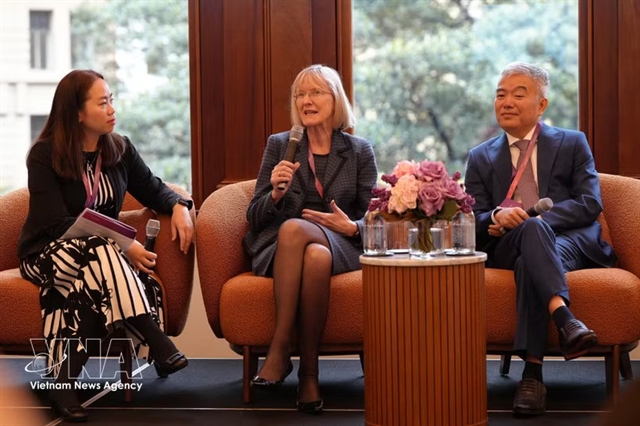
SYDNEY — The Australia Vietnam Policy Institute (AVPI) held its 2026 annual conference in Sydney, New South Wales on Thursday, bringing together government representatives, businesses and academics from both countries to discuss ways to deepen bilateral cooperation in a practical and sustainable manner.
The conference took place as the Việt Nam-Australia Comprehensive Strategic Partnership gained fresh momentum following the visit to Australia by General Secretary of the Communist Party of Vietnam Central Committee and President Tô Lâm in August and as Việt Nam is preparing to host the Asia-Pacific Economic Cooperation (APEC) in 2027.
At the conference, discussions covered diplomacy, trade and investment, digital transformation, human resource development, regional cooperation and Việt Nam’s role as APEC host. A central question is how to translate strong political ties into practical programmes that benefit businesses and people in both countries.
Opening the event, AVPI Advisory Board Chair Dr Lê Thu Hương said Australia has an opportunity to engage more deeply in Việt Nam’s economic development and reform.
Việt Nam’s efforts to improve its investment environment, develop an international financial centre and prepare for APEC 2027 are creating new opportunities for Australian investors and businesses, she said.
RMIT University Chancellor Peggy O’Neal, recently appointed by the Australian federal government as its new Business Champion for Việt Nam, said bilateral ties have grown over decades through education, migration, trade and investment. However, she noted that trade and investment have yet to reach their full potential.
Australian businesses needed a better understanding of opportunities in Việt Nam, while Vietnamese firms should view Australia not only as a market but also as a source of capital, education, technology and expertise, she said. She called for both sides to move from goodwill to concrete roadmaps, strengthen business connections, and address barriers that companies face.
O’Neal identified three priorities: promoting two-way investment, expanding cooperation linked to APEC 2027 and making better use of people-to-people connections. She noted that Việt Nam needs capital, skills, technology, infrastructure, and energy transition expertise – areas where Australia could offer valuable support.
New South Wales Minister for Industry and Trade Anoulack Chanthivong said Việt Nam is becoming an increasingly important partner for Australia and the state. General Secretary and President Lâm’s visit created momentum and opened opportunities in trade, investment, education, science, technology and innovation.
Australian Ambassador to Việt Nam Gillian Bird highlighted three joint statements issued during the visit, covering deepening the Comprehensive Strategic Partnership, strengthening economic resilience, and promoting science, technology and innovation.
She stressed that economic resilience does not mean isolation, but should be built on open trade, diversified partnerships and the effective use of free trade agreements shared by both countries.
Vietnamese Consul General in Sydney Nguyễn Thanh Tùng said diplomatic missions can help connect businesses, universities, research institutes and local partners. He identified trade and investment diversification, energy and green transition, science and technology and human resource development as priority areas.
Looking towards APEC 2027, Craig Emerson, executive chair of the Australian APEC Study Centre, said Việt Nam and Australia should use the forum to advance specific cooperation initiatives amid challenges facing global trade.
Delegates also highlighted digital transformation, skills development, secure data flows and support for small- and medium-sized enterprises. They stressed that trust, cultural understanding and long-term commitment remain essential to successful business partnerships. — VNA/VNS