The APEC 2027 effect on Phú Quốc’s tourism
APEC 2027 could help push Phú Quốc Island towards APEC 2027 could help push Phú Quốc Island towards higher-value, year-round tourism.
by Lê Văn Châu
APEC 2027 could transform Phú Quốc Island’s tourism industry by improving international connectivity, attracting business events and accelerating the shift towards higher-value, year-round tourism.
With major investments in aviation, transport and conference facilities, the island is preparing not only to host the Asia-Pacific Economic Cooperation (APEC) Leaders’ Week in November 2027 but also to strengthen its position as an international destination for leisure, business and investment.
The Government has identified 21 major projects associated with preparations for the event, with preliminary investment estimated at VNĐ137 trillion (US$5.4 billion).
The programme covers transport infrastructure, conference facilities, accommodation, water supply, environmental services and urban development.
However, the real test will come after the summit.
Phú Quốc, Việt Nam's largest island in the southern province of An Giang, must convert international attention into sustained visitor demand, maintain new air connections, attract recurring international events and ensure that investment benefits businesses and communities across the island.
For the hospitality sector, including La Festa Phú Quốc, Curio Collection by Hilton, APEC offers an opportunity to strengthen the island’s appeal as a premium tourism destination while demonstrating how distinctive experiences can complement infrastructure-led growth.
New connections
Improved connectivity will be central to Phú Quốc’s ambition to attract more international visitors and compete with established destinations across Asia.
The expansion of Phú Quốc International Airport and the development of conference facilities are intended to improve the island’s capacity to accommodate larger numbers of visitors and international gatherings.
Associated projects include roads, an urban railway and supporting infrastructure designed to improve transport links between the airport, conference complex and tourism areas.
The additional airport capacity could encourage airlines to introduce direct services, increase frequencies and accommodate larger aircraft.
Better connections would reduce travel time for international visitors and improve the island’s appeal to travellers combining business with leisure.
Nevertheless, additional airport capacity does not automatically guarantee commercially viable routes.
Airlines need consistent demand, competitive fares and sufficient passenger numbers in both directions.
Maintaining services after APEC will therefore be as important as launching new routes ahead of the event.
Economist Võ Trí Thành has argued that the summit should be viewed as an opportunity to establish a new development platform rather than a short-lived event.
“The greatest value of APEC does not lie in the few days when the conference takes place, but in the development foundations that Phú Quốc will possess for decades to come.”
His assessment highlights a central question for the island’s tourism industry: whether new infrastructure can generate a continuous flow of visitors and investment after international delegations leave.
The benefits could extend beyond conventional beach holidays.
Direct flights and improved ground transport would support corporate groups, international conference delegates and travellers seeking shorter, more convenient stays.
They could also encourage visitors to combine Phú Quốc with other destinations in Việt Nam and the wider region.
However, infrastructure alone will not determine the island’s competitiveness.
Destination management, environmental protection, workforce development and the quality of visitor experiences will also influence whether new demand can be sustained.
Beyond leisure
The development of meetings, incentives, conferences and exhibitions, collectively known as MICE, could become one of the most significant long-term opportunities arising from APEC.
Unlike conventional leisure travel, MICE tourism generates demand across a range of services, including accommodation, meeting facilities, catering, transport, technical support and organised activities.
Corporate groups may also spend on gala dinners, entertainment and excursions, creating business opportunities beyond room revenue.
Tourism expert Phạm Trung Lương, former deputy director of the Việt Nam Tourism Development Research Institute, said APEC 2027 was significantly increasing Phú Quốc’s capacity to serve as an international destination.
He said the conference and exhibition centre, multipurpose performance venue, international airport and urban railway could enable the island to host international events that it had previously lacked the capacity to accommodate.
The next step would be to secure a regular calendar of smaller international conferences, industry forums, corporate meetings and incentive programmes.
This would help reduce reliance on a single major event and create more predictable demand for hotels and local service providers.
Premium resorts would have an important role in this process.
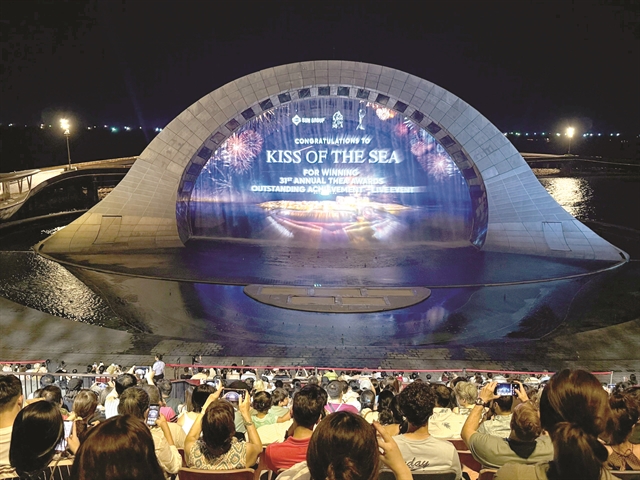
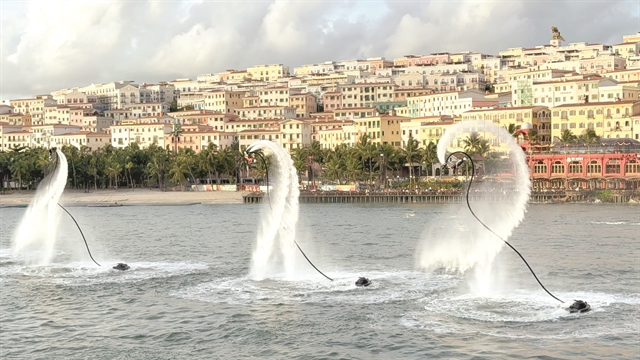
La Festa Phú Quốc, Curio Collection by Hilton, located in Sunset Town on the island’s southwestern coast, combines Amalfi Coast-inspired architecture with dining, entertainment and leisure experiences.
The resort’s approach illustrates how accommodation can be integrated into a broader destination experience.
Visitors can combine their stays with local attractions, cultural activities and entertainment, potentially encouraging longer stays and greater spending across the island.
La Festa general manager Justin Kim has highlighted the importance of creating experiences that reflect travellers’ interests and the destination’s distinctive character.
“Taking inspiration from creativity, journeys and emotions, this space has been created for travellers who value individuality and a deep appreciation of the destination.”
Although the statement was not specifically about APEC, it reflects an important consideration for the island’s premium hospitality sector: international standards must be combined with experiences that distinguish Phú Quốc from competing destinations.
For La Festa and other high-end properties, the opportunity is not simply to attract guests during the summit but to encourage repeat visits through personalised service, distinctive dining, entertainment and locally rooted experiences.
The development of premium tourism could also benefit local businesses if hotels establish stronger links with restaurants, transport operators, tour providers and producers of local food and handicrafts.
Such connections would help spread visitor spending beyond large accommodation and infrastructure projects.
However, higher room rates alone will not secure Phú Quốc’s position against established destinations such as Bali and Phuket.
The island will need to maintain service quality, manage environmental pressures and offer competitive value.
MICE development also requires more than modern buildings. Professional event management, reliable transport, multilingual staff and coordinated services will be essential to securing repeat bookings from international organisers.
The challenge is to turn the capacity demonstrated during APEC into a sustainable business proposition for the years that follow.

Year-round appeal
Reducing seasonal fluctuations will be one of the most important tests of whether APEC 2027 produces lasting change in Phú Quốc’s tourism industry.
The summit will create a temporary concentration of demand, but the island’s longer-term performance will depend on its ability to attract different types of visitors throughout the year.
MICE events could provide business during periods when leisure demand is weaker, while wellness holidays, family travel, culinary experiences and nature-based activities could appeal to other market segments.
Combining business with leisure could also encourage conference delegates to extend their stays.
The island must also ensure that growth is supported by a skilled workforce.
Nick Bauer, general manager of Radisson Blu Resort Phú Quốc, said that the resort was preparing both its facilities and employees for international visitors before, during and after APEC.
Its preparations included improving accommodation and shared facilities while developing staff members’ professional skills.
The emphasis on workforce development reflects a broader industry requirement.
International guests expect consistent service, effective communication and reliable arrangements across accommodation, dining, transport and excursions.
These expectations will become increasingly important as Phú Quốc seeks to attract more business travellers and premium holidaymakers.
Environmental management will be equally significant. Higher visitor numbers will place additional pressure on water supply, waste treatment, transport and marine ecosystems unless supporting services expand alongside tourism.
Protecting the island’s beaches, forests and coral reefs is essential to maintaining the natural appeal on which its tourism industry depends.
The benefits of APEC should also extend to small businesses and local communities.
Stronger links between resorts, tour operators, transport providers and local producers could help distribute visitor spending more widely, while improved public services could support residents as well as tourists.
To assess progress, Phú Quốc should look beyond total arrivals. The number of international routes maintained after APEC, hotel revenue per available room, average length of stay, visitor spending, recurring conference bookings and occupancy during the low-season months would provide a clearer picture of whether the island is becoming more resilient.
These indicators would help distinguish a temporary surge associated with the summit from a structural improvement in the tourism economy.
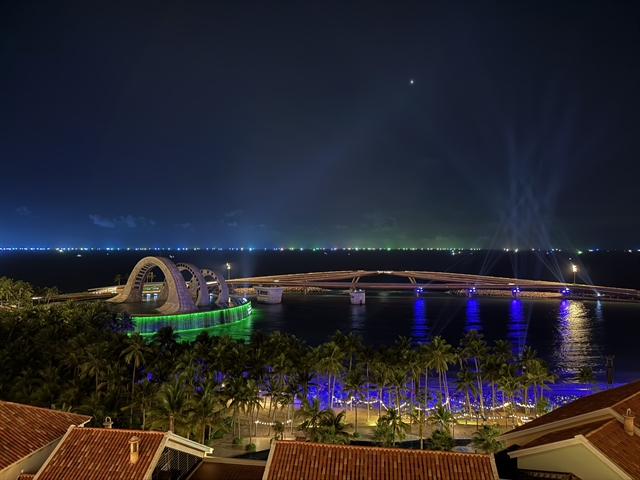
APEC 2027 offers Phú Quốc an opportunity to expand international connectivity, strengthen premium hospitality and establish a more substantial MICE sector.
But the summit should be regarded as a catalyst rather than a guarantee of sustained growth.
The lasting outcome will depend on whether the island can convert new infrastructure into regular business, maintain service quality and protect the natural and cultural assets that distinguish it from competing destinations.
For resorts such as La Festa Phú Quốc, the opportunity lies in turning international exposure into repeat visits and meaningful guest experiences.
For the island as a whole, success will mean attracting visitors for more reasons, across more months of the year, while ensuring that tourism growth creates lasting economic value for local communities. — VNS