



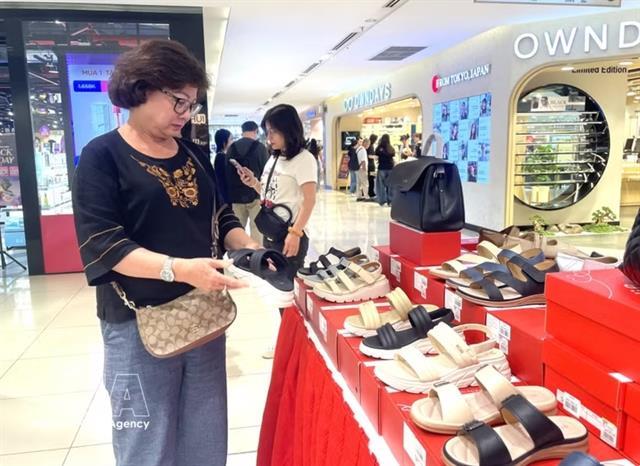
Sustainability and consumer trust are increasingly becoming essential competitive advantages for businesses, especially amidst the rapid expansion of e-commerce and digital transactions.
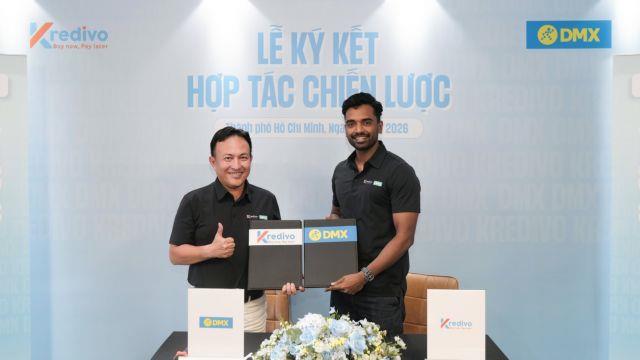
The agreement moves beyond a payment partnership by integrating Kredivo''s buy-now-pay-later (BNPL) and cash loan services more deeply into DMX''s retail ecosystem.
FedEx is stepping up support for Vietnamese exporters as they face new mandatory electronic filing requirements introduced by the US Consumer Product Safety Commission (CPSC), which took effect on July 8.
Small loans will be capped at VNĐ200 million for people''s credit funds and VNĐ400 million for all other credit institutions, from the current maximum of VNĐ100 million.
For the six-month period, housing, electricity, water, fuel and construction materials recorded the biggest increase among major spending categories, rising by 6.72 per cent from a year earlier.
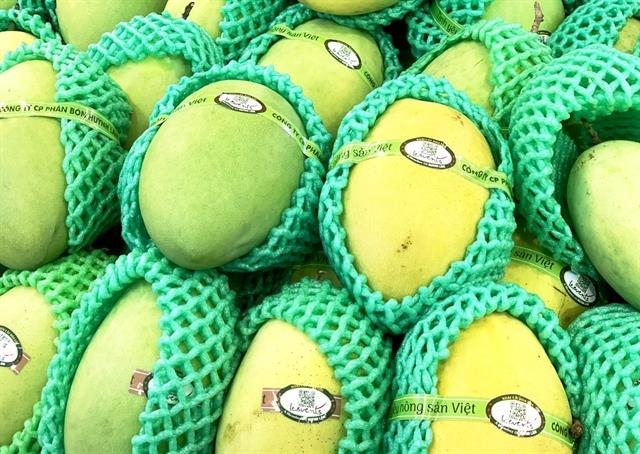
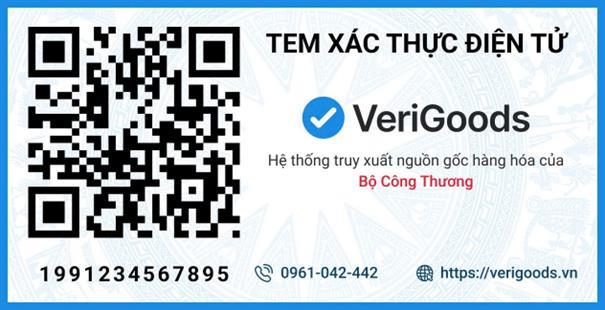
Products classified as high-risk will be required to have traceability information registered and verified before being put into circulation on the market from July 1, according to new circular issued by the Ministry of Industry and Trade on June 11.
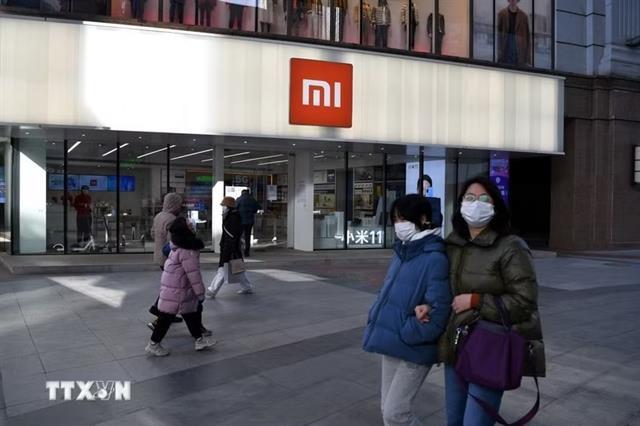
Xiaomi Vietnam has been fined VNĐ290 million ($11,000) by the National Competition Commission for violating regulations on personal data protection, influencer advertising, and terms and conditions of transactions with consumers.
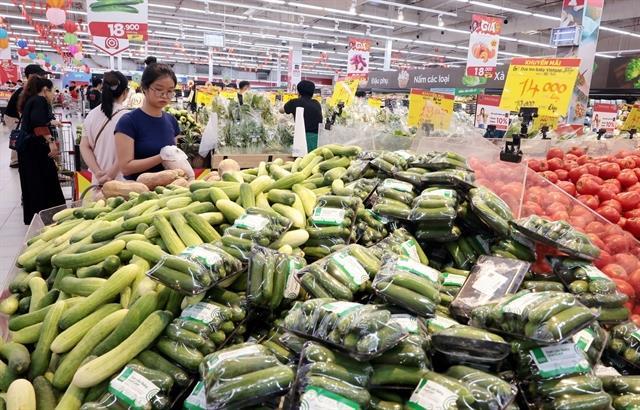
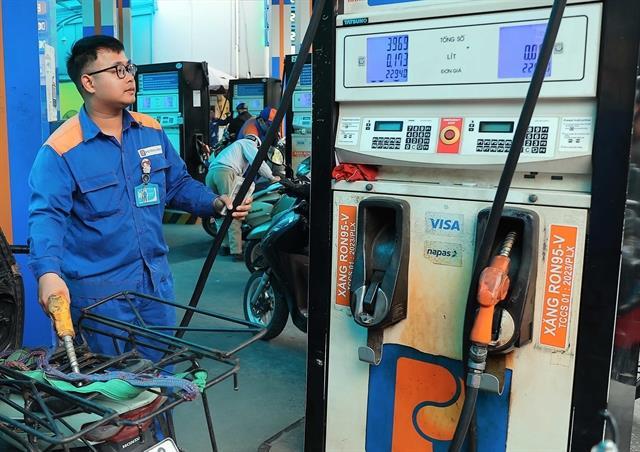
Việt Nam''s consumer price index rose 0.29 per cent in May from April, driven by higher electricity, water, fuel, housing and construction material costs, according to the National Statistics Office.
Total retail sales of goods and consumer service revenue in the first three months were estimated at VNĐ1.9 quadrillion (US$72 billion), up 10.9 per cent year-on-year.
The Hà Nội Department of Industry and Trade on March 12 celebrated the launch of Việt Nam Consumer Rights Day 2026, themed ''Information Safety - Building Trust - Sustainable Consumption''. The event is aimed at raising public awareness of consumer...
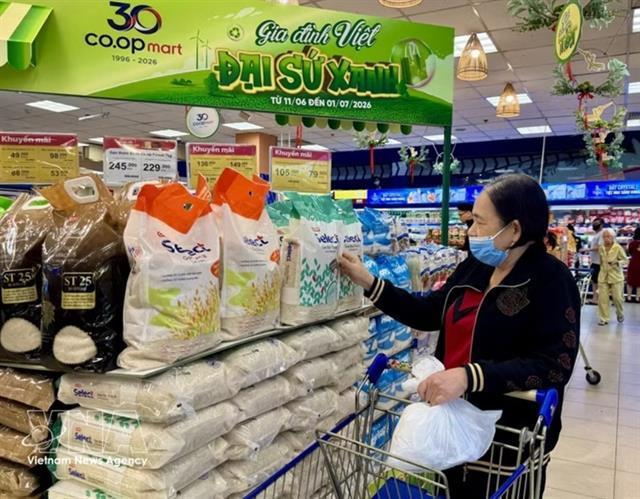
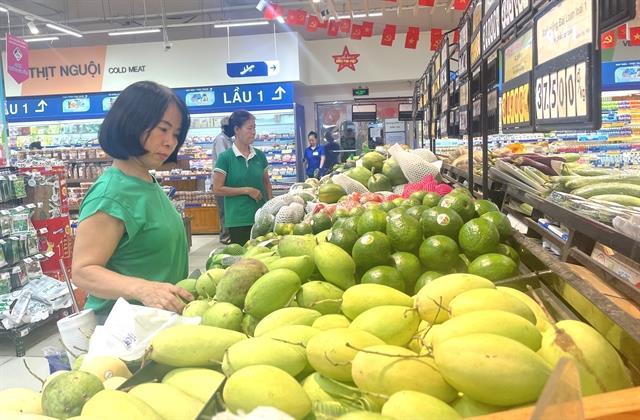
At supermarkets, convenience stores and traditional markets, scanning QR codes to check product origin and supply-chain information is becoming more common.