



In the coming period, the SBV will adjust interest rate policy in line with macroeconomic conditions and inflation trends, and require credit institutions to publicly disclose lending rates to improve transparency.
While the Government aims for an investment-grade rating by 2030, we believe it can be achieved sooner since Việt Nam already meets most quantitative criteria and only needs to address a limited set of qualitative issues.
Directive 01/CT-NHNN sets a 4.5 per cent inflation goal and targets around 15 per cent credit growth to safeguard macro stability and sustainable growth.
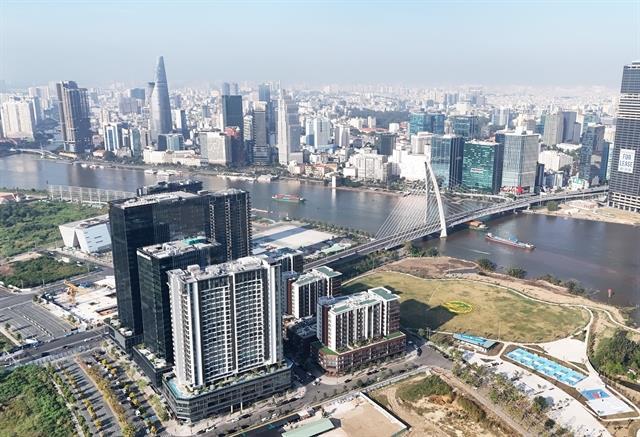
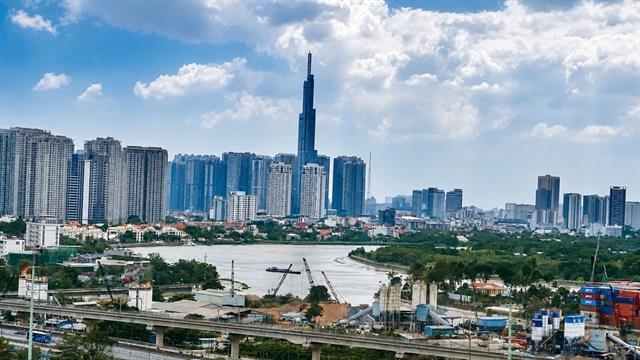
Total outstanding loans of credit institutions in HCM City were estimated at VNĐ5.08 quadrillion (US$193.1 billion) as of December 31 this year, up 0.95 per cent from November and 13.5 per cent compared with the end of 2024, according to...
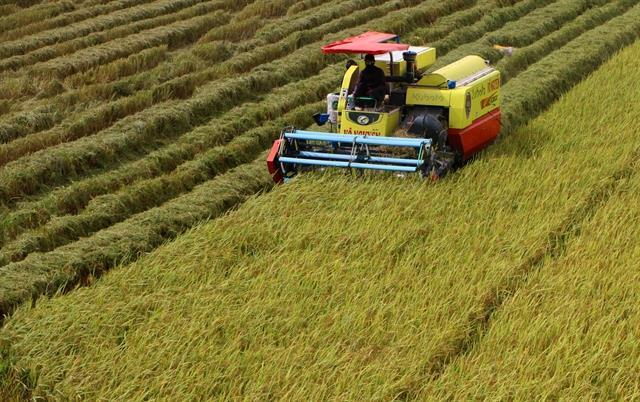
Green credit is increasingly seen as an inevitable trend to support sustainable growth in the agriculture sector, yet its scale in Việt Nam remains modest compared with overall credit in the economy.
In 2024, the World Bank committed a US$350 million loan to the Vietnamese Government to implement the one-million-hectare project which associated with green growth in the Mekong Delta.
The collective label “Low-Emission Green Vietnamese Rice”, developed by the Vietnam Rice Sector Association (VIETRISA), is gaining strong market traction, reinforcing the image of Vietnamese rice as environmentally friendly and aligned with sustainable development.
The trend underscores the sector’s efforts to implement Government credit priorities, supporting economic growth and maintaining financial stability in the country’s southern economic hub.
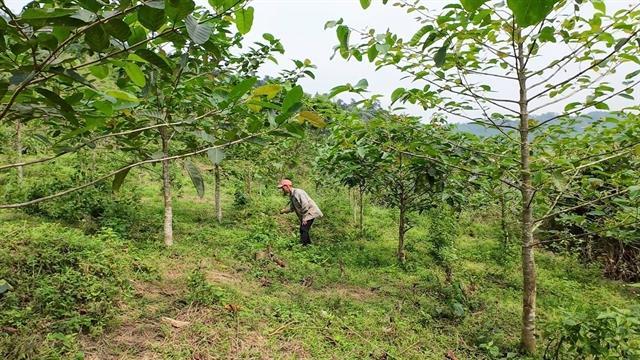
Huỳnh Tấn Đạt, Director General of the ministry’s Plant Production and Protection Department, said by 2050, all major crop areas are expected to adopt low-emission cultivation practices.