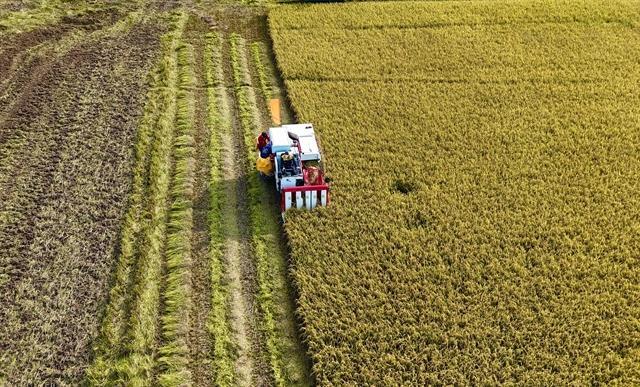
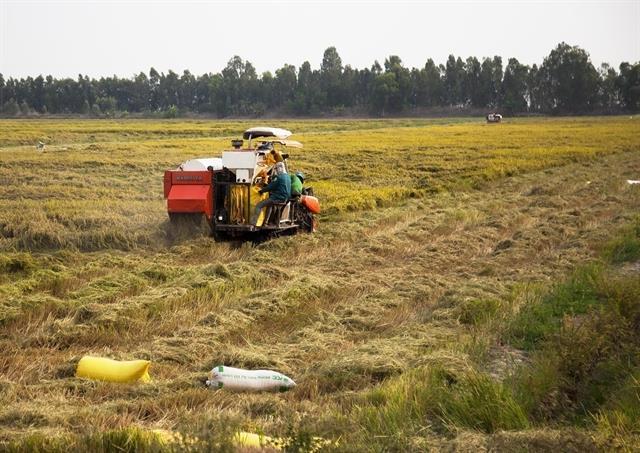


Việt Nam exported an estimated 600,000 tonnes of rice worth US$370 million in January, up 12.4 per cent in volume and 16.9 per cent in value year-on-year.
Việt Nam is undergoing rapid change amid the Industry 4.0 and facing global challenges such as pollution, climate change, energy insecurity, and resource depletion.
Việt Nam News reporter Mai Hương spoke with Jeremy Lardeau, senior vice president of the Higg Index at Cascale, about key challenges, opportunities, and global partnerships driving the sector’s shift to a low-carbon economy.
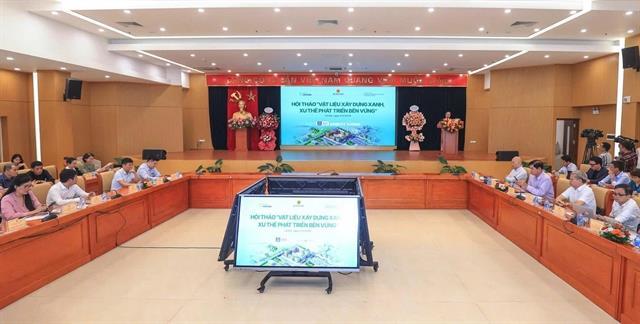
The significance of the public-private partnership (PPP) to the project on developing 1 million hectare of high-quality and low carbon footprint rice in the Mekong Delta region by 2030 was highlighted at a workshop held in the Mekong Delta city of Cần...
The project is part of an effort to restructure the region''s production system and value chain with a focus on sustainable farming practices, higher product value, greater business and production efficiency
The latest conditional approval – given to power import projects preliminarily found to be technically and commercially viable – comes after similar authorisations for a 1GW import plan from Cambodia and 2GW from Indonesia earlier in the year.
Twelve out of 13 provinces in the region have signed up for the plan. They have committed to reaching 200,000 ha next year, 719,000 ha in 2025, and over one million ha in 2030.
Vietnamese exporters need to continue to improve the reliability of agricultural products and ensure quality, safety and sustainability to compete globally, industry insiders said.
Viet Nam plans to develop a low-carbon economy and include climate-change resistance work in its d Nationally Determined Contribution (NDC) for the Paris climate accords.
Viet Nam will receive a grant from the Japanese
Government''s fund to support the adoption of advanced low-carbon
technologies, the Asian Development Bank (ADB) announced on June 25.