






Banks with rapid long-term loan growth, sizeable real estate-related exposure or reliance on less stable corporate deposits face the largest stable funding gaps.
The Ministry of Finance and the State Bank of Vietnam are considering an increase of the ratio of time deposits from the State Treasury at commercial banks to supplement liquidity in the banking system.
Bank credit is nearing its limits as Việt Nam seeks trillions in investment for double-digit growth, prompting urgent calls to deepen capital markets and improve the efficiency of capital use.
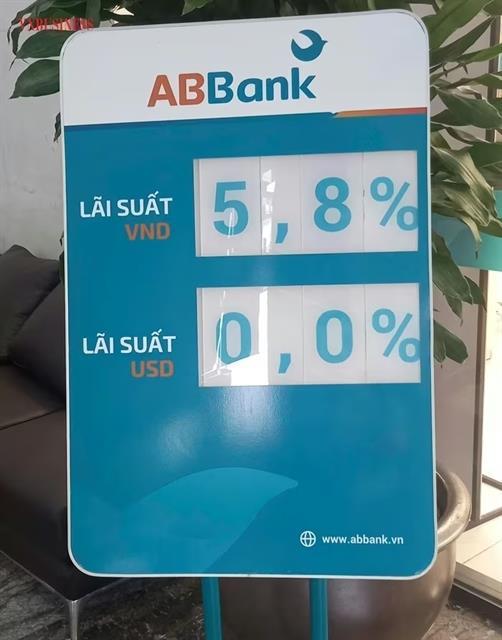
Under the document, the SBV requested credit institutions, branches of foreign banks and regional SBV offices to implement measures to maintain stable market interest rates.
Recent increases in deposit rates, initially led by joint-stock lenders, have spread to State-owned banks, signalling the formation of a new rate baseline in the money market.
The State Bank of Vietnam (SBV) has withdrawn a net amount of VNĐ116.65 trillion (US$4.4 billion) from the interbank market over the past seven consecutive days, from March 4 to March 12, signalling a surplus of liquidity in the banking system.
A notable driver was the continued surge in individual deposits, which hit a record high of nearly VNĐ7.5 quadrillion, up 5.73 per cent since the beginning of the year.
The State Bank of Viet Nam is willing to provide liquidity to credit institutions to sustain their payment capability, especially at the end of the year when demand for funds often peaks, its deputy governor, Dao Minh Tu, has said.
Liquidity risk among Viet Nam''s commercial banks remained low as major efforts have taken place in recent decades to bolster the banking sector''s resilience, according to experts.
Total liquidity in the banking system reached about VND13.749 trillion (US$601 billion) in January, increasing by 2.59 per cent against the end of 2021.