



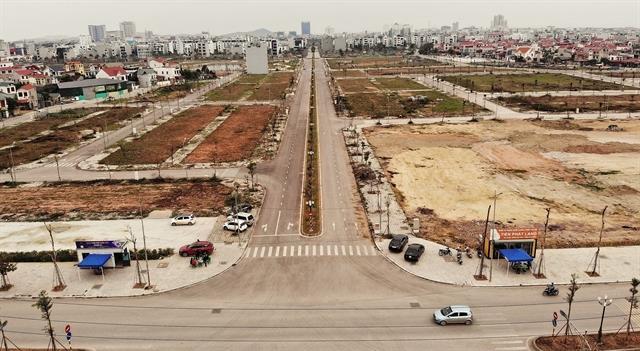





Under the proposal, the 0.2 per cent rate would apply to the entire area of land classified as abandoned, unused or put into use late, with no preferential threshold for land within prescribed limits.
The proposed restructuring would separate electricity generation, transmission, distribution and retail, according to Bùi Quốc Hùng, deputy head of the ministry''s Electricity Authority of Vietnam.
The 2025 revision introduces a number of reforms, including reducing the number of conditional investment and business sectors and easing requirements for foreign investors establishing companies in Việt Nam.
Deputy Prime Minister Bùi Thanh Sơn at a conference on Thursday asked strict penalties to be raised against developers of stagnant power projects to prevent setbacks from threating the national energy security.
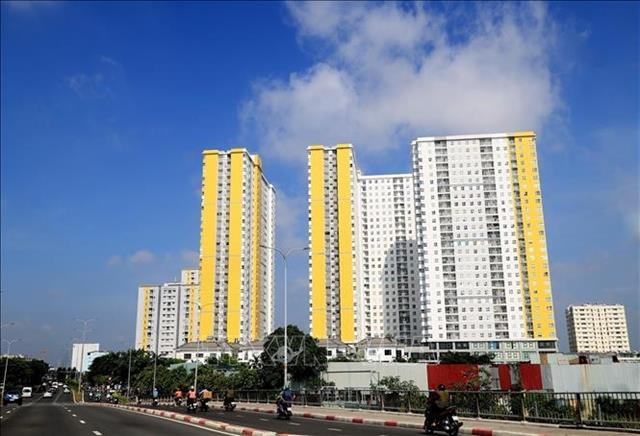
Việt Nam’s 2024 Land Law is now undergoing major revisions even before its full rollout, as the Government faces mounting administrative, legal and valuation roadblocks.
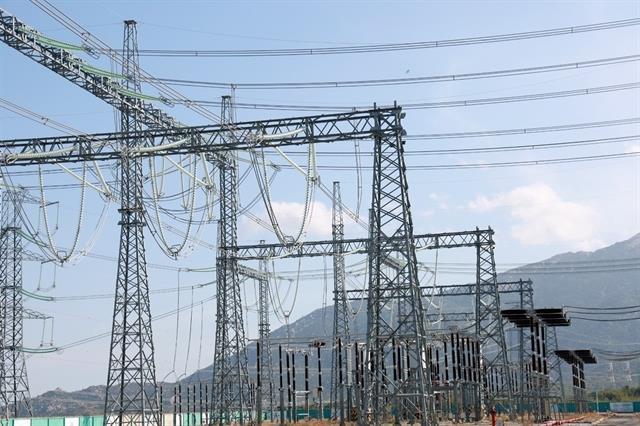
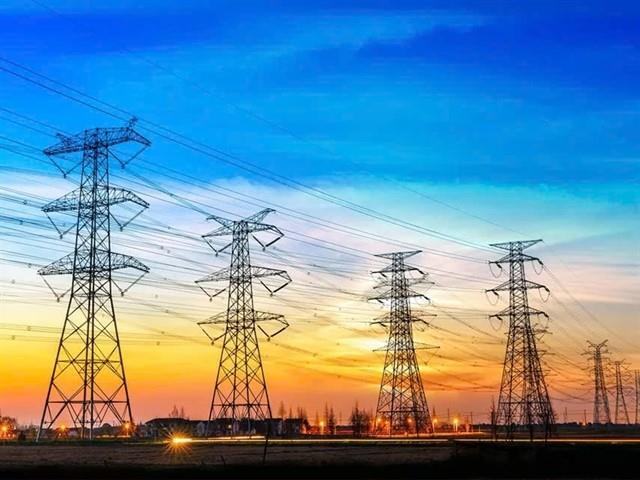
To meet the electricity demand with a growth rate of about ten per cent each year, the annual investment volume in power sources and grids must reach US$7.6 billion.
The draft of the law was released by a representative of the Department of Chemicals, Ministry of Industry and Trade at a workshop on the amended law and a strategy for the development of Việt Nam''s chemical industry, held in Hà Nội on October...
Starting August 1, 2024, three key laws - the 2024 Land Law, the amended Housing Law, and the amended Real Estate Business Law came into effect. These laws are expected to significantly boost the land, housing, and real estate markets...
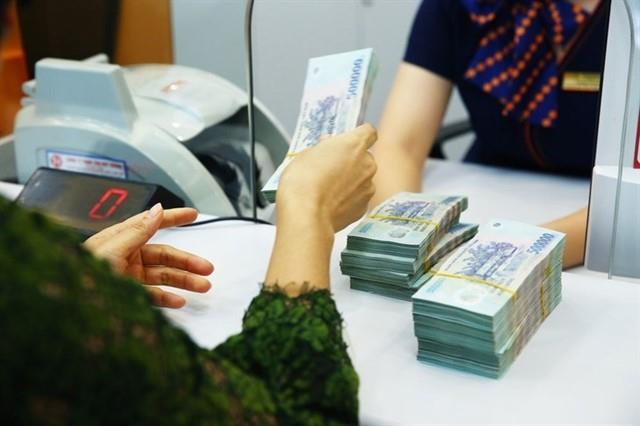
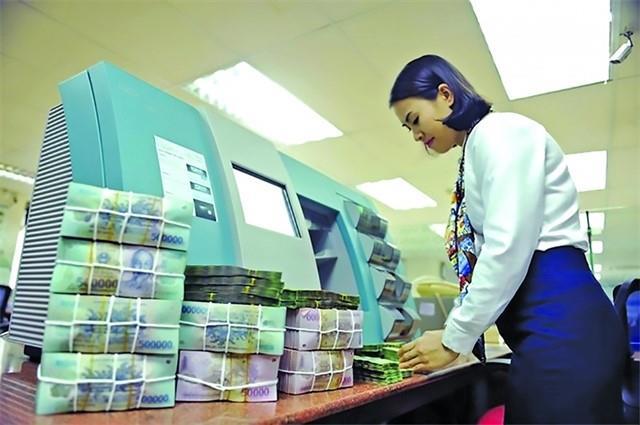
A new regulation on reducing the bank credit limit for large customers under the amended Law on Credit Institutions, will adversely affect both banks and large enterprises, experts said.
The law, which will take effect from July 1 this year, allows financial leasing companies to establish subsidiaries to handle and exploit bad debt assets. It also states that small financial leasing deals with value under VNĐ100 million do not...
Under the amended Law on Credit Institutions recently passed by the National Assembly, credit institutions do not have the right to repossess collateral.
As land and land management are a huge and complicated issue with an important role in the country’s socio-economic development and impacting all walks of life and the business community, the new law has drawn significant attention.