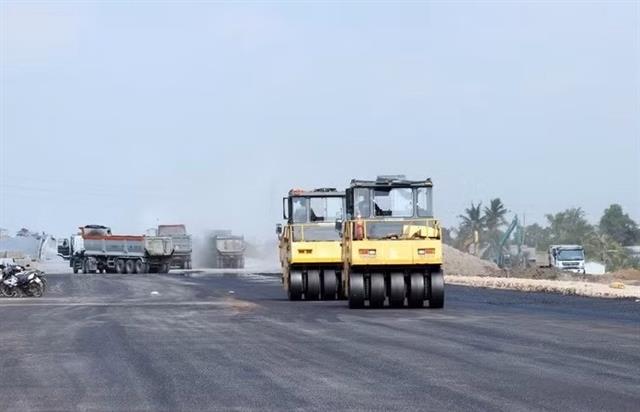
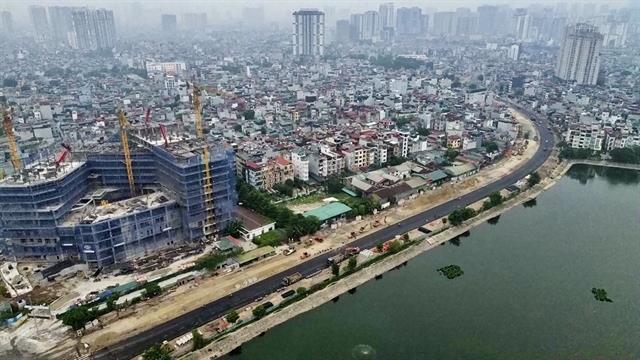
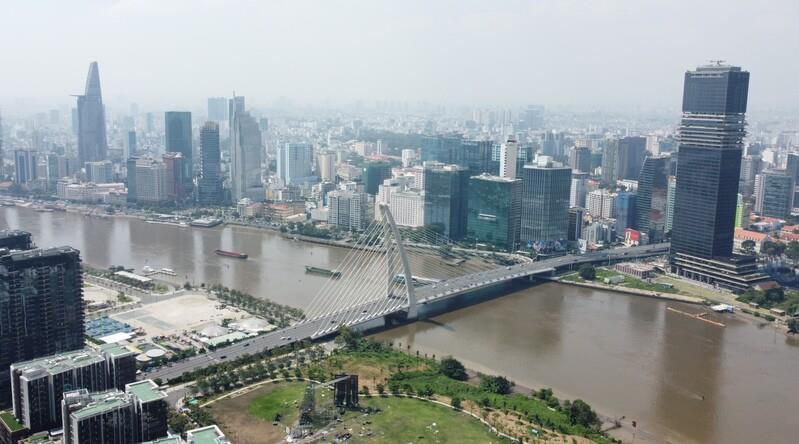

HCM City disbursed over VNĐ118.3 trillion ($4.7 billion) in public investment in the first 10 months of 2026, equivalent to over 80 per cent of its annual plan and significantly above the national average..
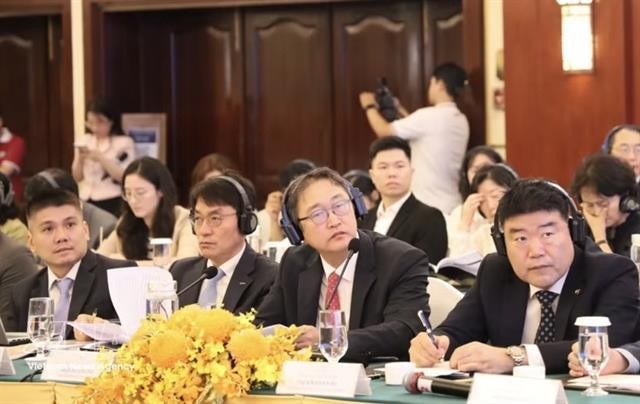
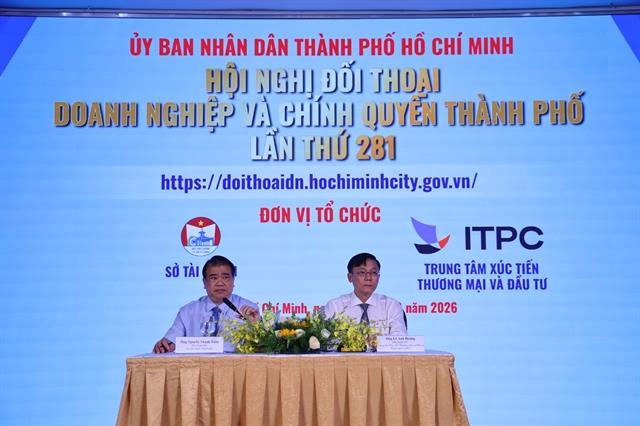
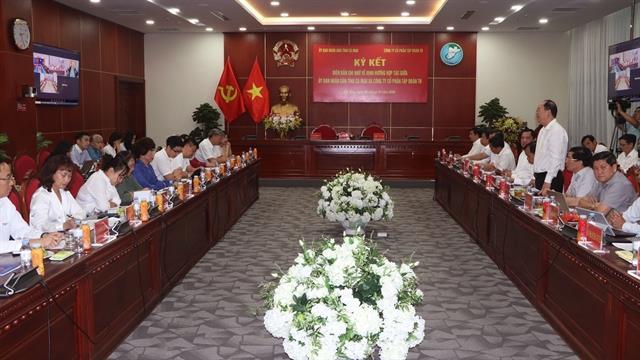
HCM City is seeking more Korean investment in high-tech, semiconductors, supporting industries and green energy, while pledging to resolve business bottlenecks and provide clear timelines for handling companies’ concerns.
Deputy Minister of Finance Trần Quốc Phương called on AIIB to provide more information about its financing conditions, procedures and experience in implementing projects in other countries so that the ministry could share this with relevant agencies and localities.
As of October 31, total public investment disbursement stood at nearly VNĐ708.6 trillion (US$27.5 billion), rising more than VNĐ217.5 trillion from a year earlier. Of this, central budget capital accounted for VNĐ182 trillion, or 59.6 per cent of its annual target, while...
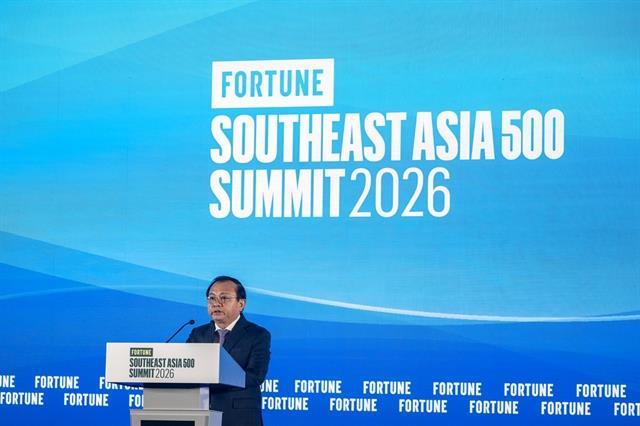
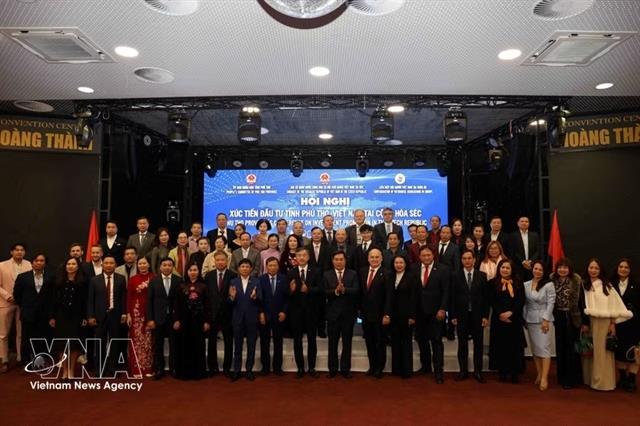
Việt Nam is calling on international investors to move beyond traditional manufacturing and help develop a new generation of high-value industries, including artificial intelligence, semiconductors, research and development, green energy and financial services.
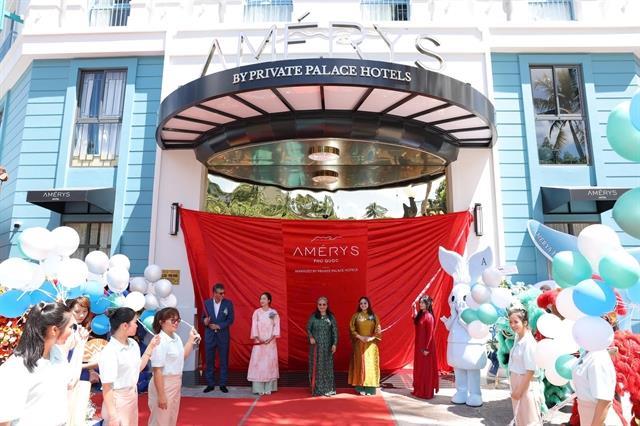
AMÉRYS Phu Quoc Hotel has officially opened in Phú Quốc, offering 113 rooms and facilities designed for multi-generational families and adding to the island''s upscale hospitality offerings.
Capital is shifting toward bigger projects with more technology and longer horizons. That reflects not just market advantages but investor expectations for the city’s next phase, a local official said.
HCM City is accelerating administrative reforms to shorten investment approval times, improve business support and address bottlenecks facing the private sector.
As of October 26, around 41.18 per cent of the budget for science, technology, innovation, and digital transformation has been disbursed. This amounts to VNĐ21.69 trillion (US$824 million) out of a total of VNĐ52.68 trillion, leaving a substantial sum to...
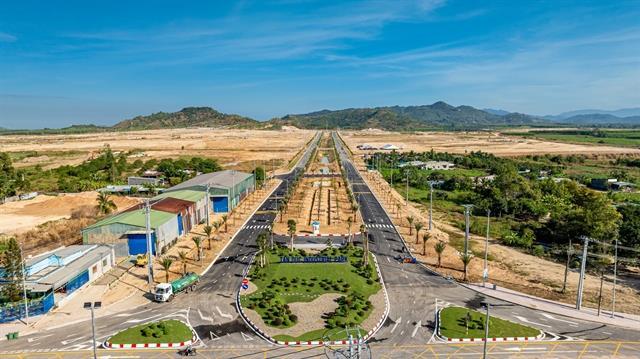
Cà Mau is seeking to attract investment by leveraging its mangrove forests, alluvial flats and tourism resources. Priority sectors include circular economy models, high-tech agriculture, medicinal plants, renewable energy, logistics and eco-tourism.
Priority should also be given to poverty reduction, support for ethnic minority communities and disadvantaged areas, national defence and security, and essential services such as healthcare, education and culture.