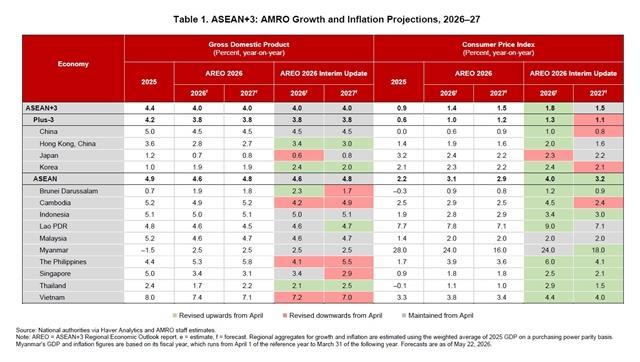
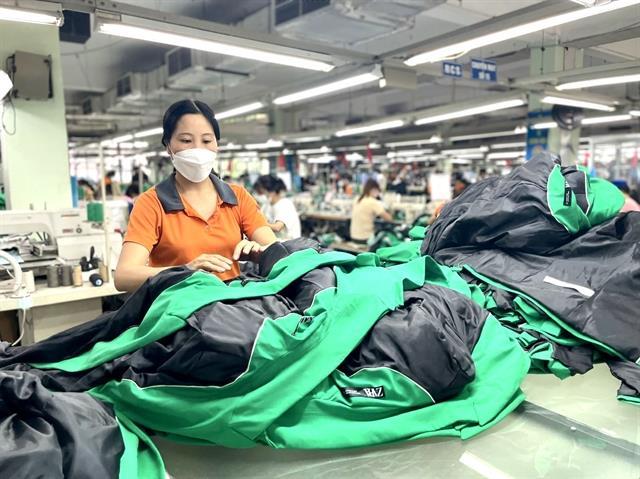

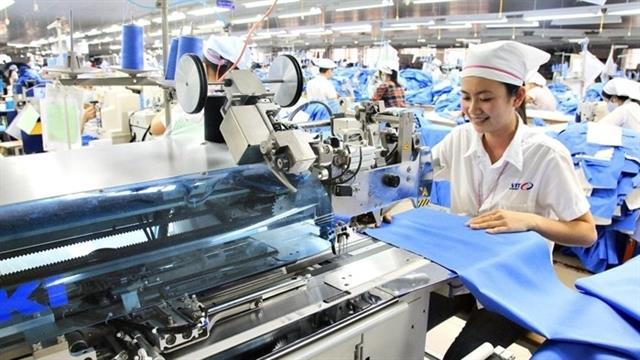


Despite the efforts of Vietnamese textile and garment businesses, the ongoing Middle East conflict is posing serious challenges to their ability to secure and carry out overseas production orders.
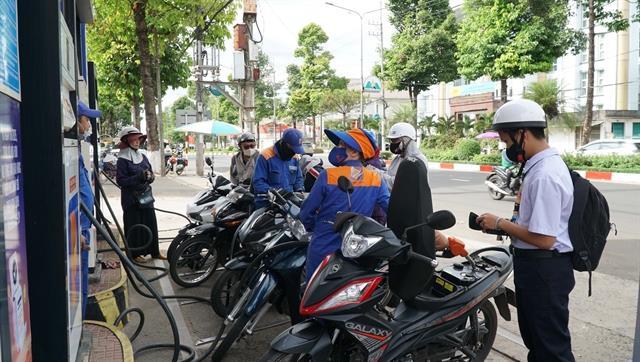
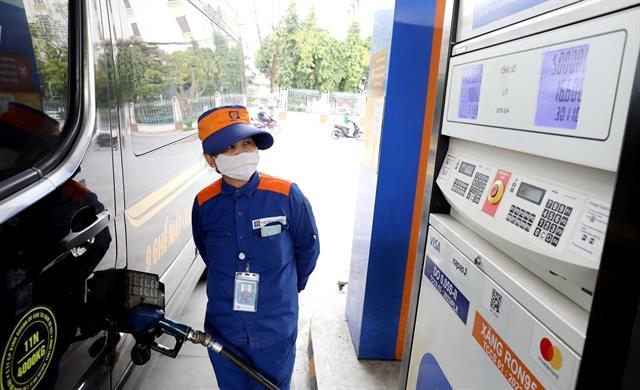
The Government has taken swift action to cushion the impact of rising oil prices related to the Middle East war, including tax cuts and an advance of VNĐ8 trillion (US$304 million) to the fuel price stabilisation fund.
Việt Nam’s swift and coordinated policy response, from flexible fuel price management to efforts to diversify supply sources, has highlighted the country’s capacity for strategic adaptation in an increasingly volatile global economic landscape.
In an interview with Việt Nam News, Hồ Đình Thám, resident adviser to the Electricity Authority of Vietnam under the Ministry of Industry and Trade, discusses global energy trends, the country’s progress in building a competitive power market and the...
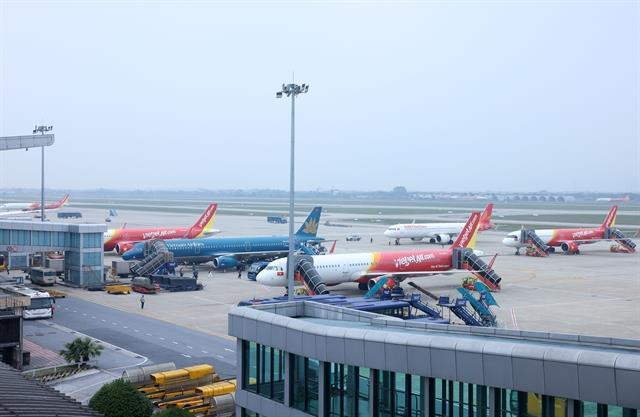
The CAAV said that Việt Nam’s jet fuel providers remain heavily dependent on imports, posing a significant risk as global supply chains face disruptions.
Under a draft resolution of the National Assembly’s Standing Committee, the taxes on gasoline (excluding ethanol-blended fuel) and diesel are proposed to be halved to VNĐ1,000 and VNĐ500 per litre, respectively. The tax on jet fuel is proposed to be...
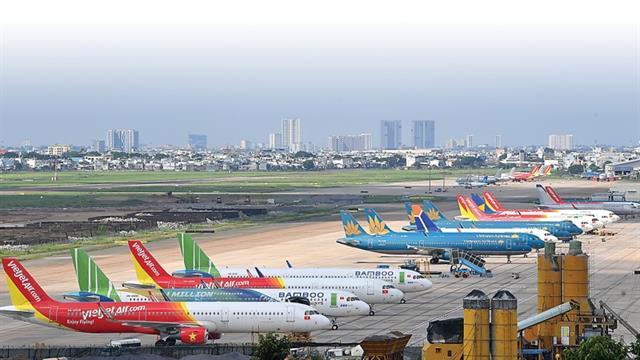
More than 60 per cent of international airlines operating in Việt Nam have raised or plan to raise fares from mid-March as Middle East tensions drive up global fuel prices.
Associations are encouraged to proactively gather and promptly report difficulties faced by businesses related to mechanisms, policies, administrative procedures, credit, taxation, logistics, and insurance.
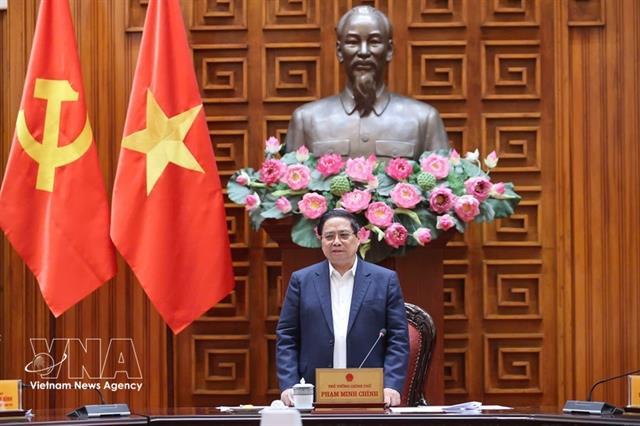
PM Chính said the top priority is to ensure no energy or fuel shortages, minimise macroeconomic impacts, and avoid disruptions to supply chains, production, business and consumption.
Disruptions to shipping routes through the Strait of Hormuz have affected food trade flows, while rising fuel and transportation costs have pushed up prices of fruits and vegetables in the UAE.
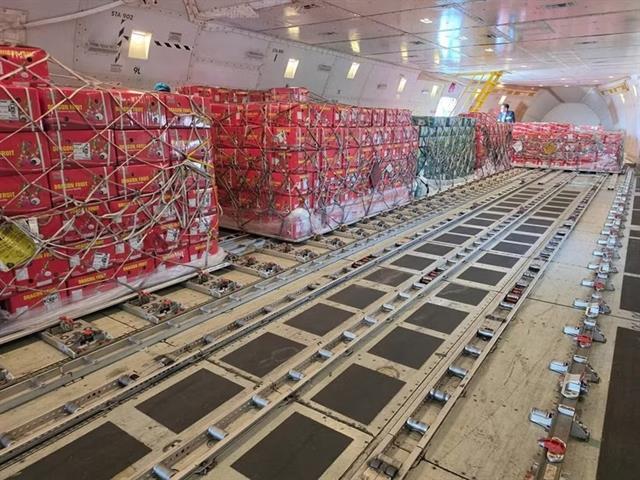
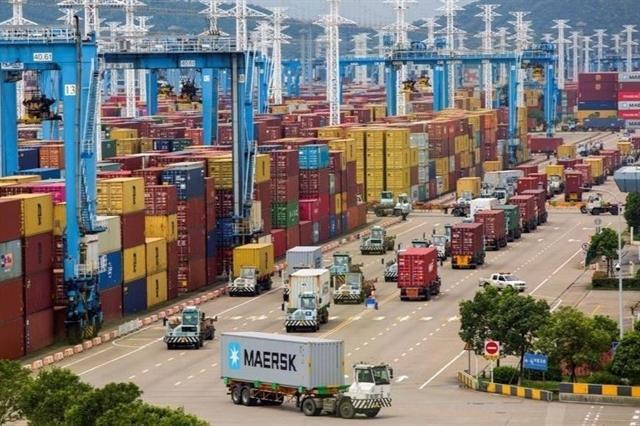
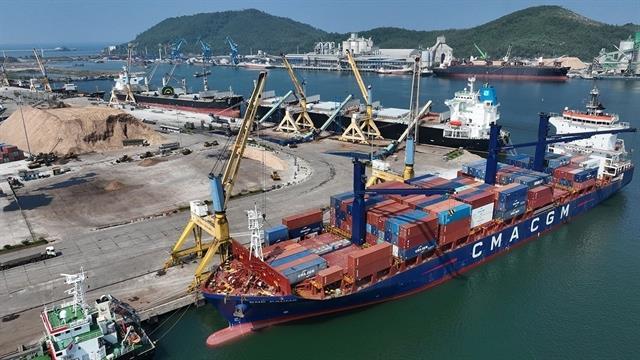
Conflict in the Middle East is disrupting aviation and shipping routes, prompting the Ministry of Construction to propose tax and fee cuts to help stabilise transport costs and logistics activities.
The Government has issued a resolution outlining 10 key solutions, promoted energy diplomacy and directed increased exploitation of oil, gas and coal resources, while regulating hyower reservoirs to support electricity generation.
Việt Nam is facing a three-stage ripple effect - first on transport and fuel-dependent industries, then on sectors relying on their outputs, and ultimately on consumers. Volatility in key commodities like fuel is disrupting the entire supply chain and increasing...