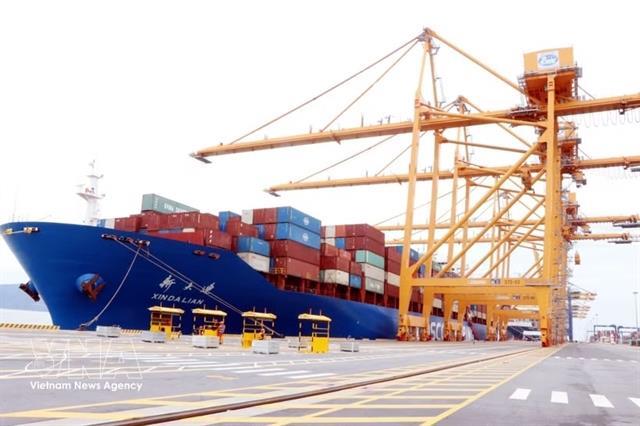
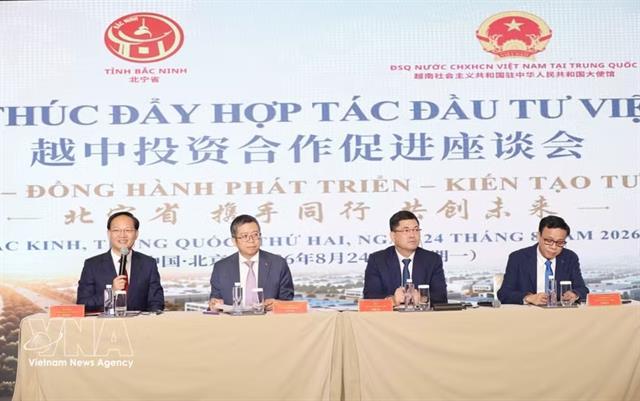

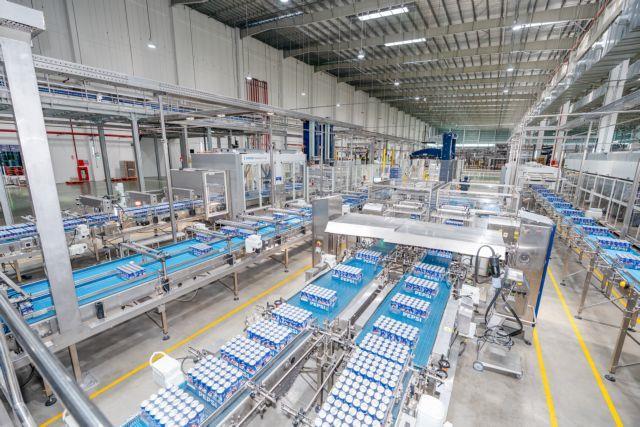
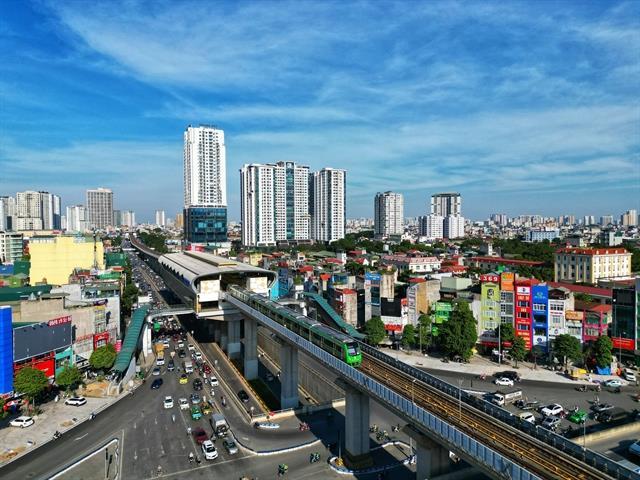

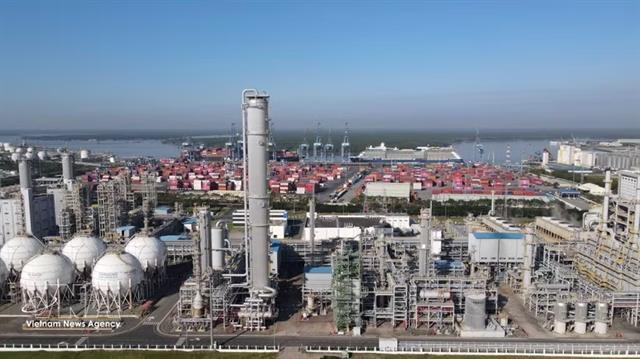
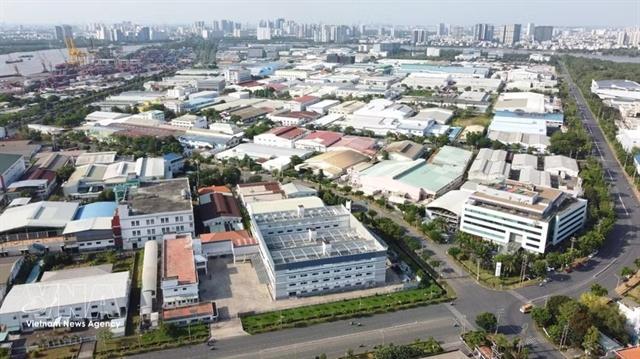
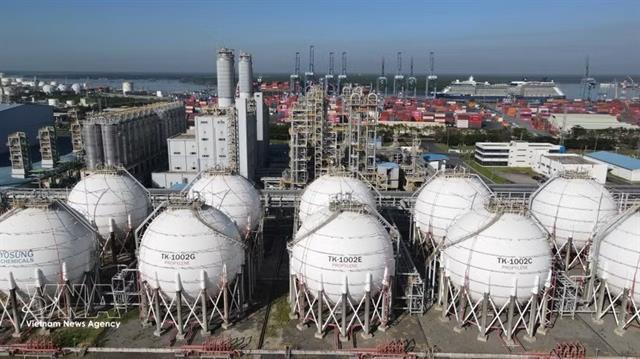
For decades, foreign direct investment has helped fuel Hà Nội''s economic growth. Now the capital is raising its ambitions, shifting its focus towards technology-intensive, innovation-driven investment that can reshape its economy for the decades ahead.
Data released by the National Statistics Office (NSO) under the Ministry of Finance on August 3 showed that total registered foreign investment, including newly registered capital, adjusted capital and capital contributions through share purchases, reached over $38 billion as of...
Success will increasingly be measured by whether foreign investment brings technology, develops local talent, establishes research and development (R&D) capability, and integrates Vietnamese enterprises more deeply into global value chains, according to HSBC.
A young army of software engineers, competitive labour costs and deep mathematical skills have already made Việt Nam a magnet for IT outsourcing. Companies like FPT Software and VNG have proved they can compete in international markets. These sectors demand...
The positive FDI performance in the first half of 2026 provides a favourable foundation for Việt Nam to realise Resolution No. 10-NQ/TW’s goals. However, to maintain advantages and improve the quality of capital inflows, Vietnam needs not only to improve...
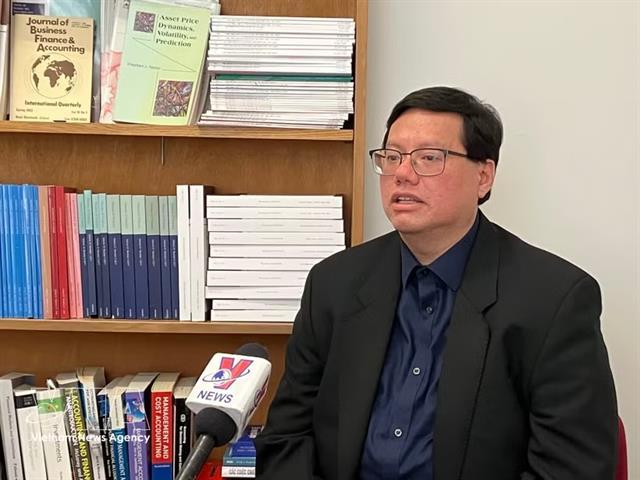
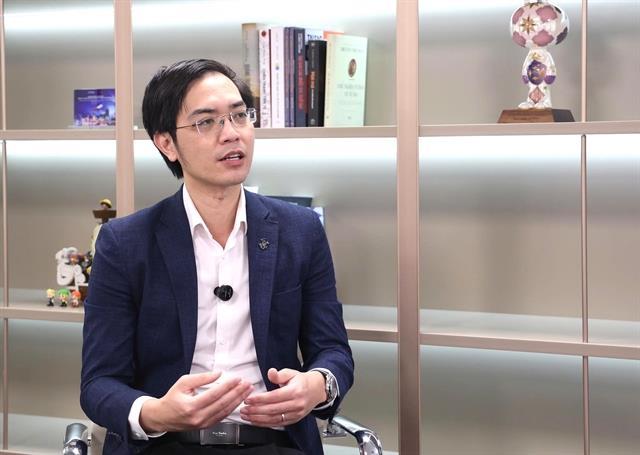
In an interview with the Vietnam News Agency, Associate Professor Nguyễn Hữu Huân, Vice Chairman of the Executive Board of the Việt Nam International Financial Centre in HCM City, discussed how the new policy direction of Resolution 10 could reshape...
The plan aims to translate the province''s development strategy into its future role as a centrally governed city while promoting sustainable urban growth, efficient land use and balanced population distribution.
The industrial and construction sector remained the main engine of growth, expanding 9.81 per cent in the first six months and contributing more than 47 per cent of overall economic growth.
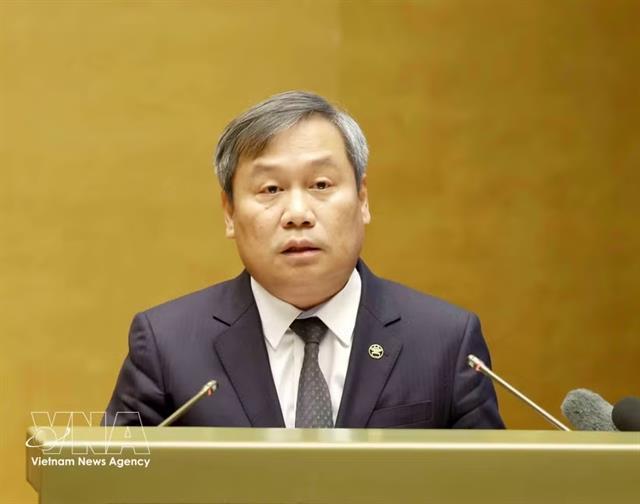
Chairman of the HCM City People’s Committee Nguyễn Văn Được proposed priorities linked to the Vietnam International Financial Centre (VIFC) to draw new-generation, high-quality capital flows. These include shifting from a project-attraction approach towards building an investment ecosystem and positioning...
The MoU also aims to help Vietnamese enterprises integrate more deeply into global supply chains and expand their operations in Singapore and other overseas markets.
Việt Nam will pursue a more ive approach to foreign investment under a new Politburo resolution, focusing on projects that strengthen domestic capabilities, accelerate technology transfer and enhance the economy''s long-term competitiveness and self-reliance.
Exchange-rate stability has emerged as one of Việt Nam’s macroeconomic bright spots this year, despite mounting pressure from a record trade deficit and an uncertain global outlook.
More than a policy document on foreign-invested economic development, Resolution No. 10-NQ/TW represents a significant shift in Việt Nam’s development thinking, from an economy relying heavily on low-cost advantages to one driven by knowledge, technology and endogenous strength.
The HCM City tax agency said it will maintain regular dialogue with businesses, push ahead with administrative reform and digital transformation, and identify implementation bottlenecks to recommend policy adjustments, facilitating investment and business activities for FDI enterprises.