


Việt Nam will participate in the event''s International Garden, with Japan providing partial support for infrastructure and other requirements. The Vietnam Pavilion at the expo is envisioned as a streamlined, modern and flexible space that emphasises visitor experience and the...
Around 2,353ha of farmland in the province meets organic standards, including more than 2,332ha of spice-growing areas cultivating cinnamon, star anise and ginger that have obtained internationally recognised certifications such as USDA (US), EU and JAS (Japan).
The installation of the world’s first Hypnosiz in Việt Nam highlights the strong appeal and rapid development of the country’s amusement park market, while opening a new chapter in high-end entertainment technology cooperation between Việt Nam and Italy.
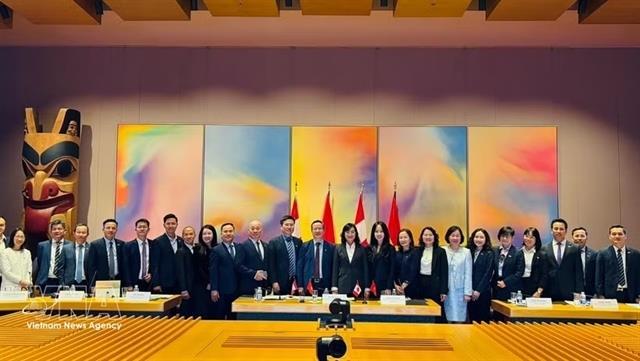
Việt Nam is currently Canada’s largest trading partner in ASEAN. Building on the Comprehensive and Progressive Agreement for Trans-Pacific Partnership (CPTPP), the two countries are expanding bilateral economic ties into higher value-added areas such as clean energy, critical minerals, advanced...
The Việt Nam-EFTA FTA is one of the longest-negotiated trade agreements in Việt Nam''s history, reflecting its broad and ambitious commitments across trade, investment and sustainable development.
The Vietnamese pavilion attracted hundreds of visitors on the opening day, with many expressing interest in the quality and diversity of Vietnamese products.
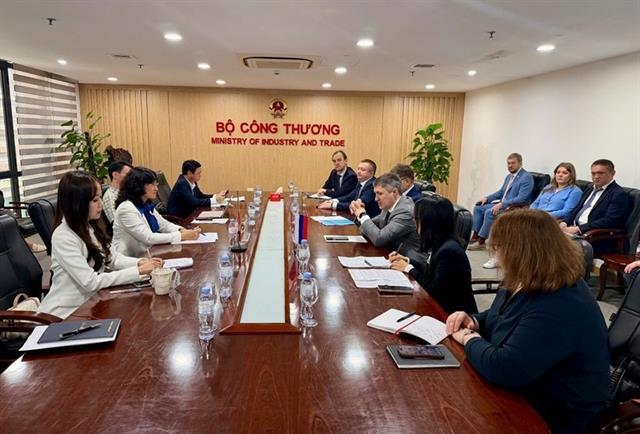
With its favourable geographic location and relatively developed infrastructure, Russia''s Perm Krai is well positioned to expand cooperation with Vietnamese partners in trade, investment and industrial production.
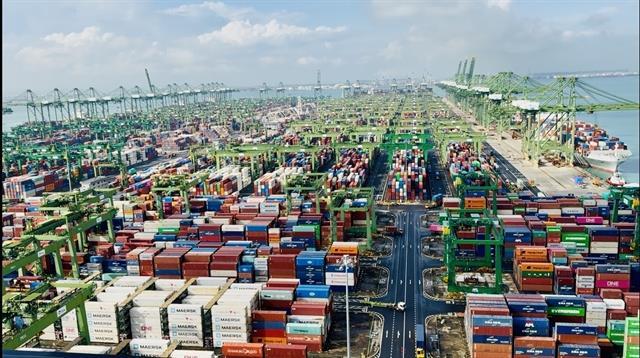
In December alone, Singapore’s total trade with Việt Nam reached nearly 4 billion SGD (over US$3.1 billion), representing a year-on-year increase of 30.1 per cent.
Bilateral trade reached S$19.5 billion (US$15.3 billlion) in the first six months, up 28.5 per cent year-on-year, positioning Việt Nam as the city state’s 10th largest trading partner.
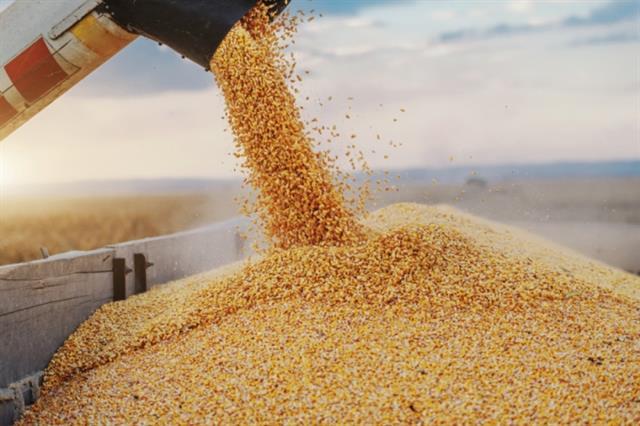
Việt Nam is projected to import an additional 6 million tonnes of corn and 1.7 million tonnes of soybean meal by 2034, representing 7 per cent of global corn imports and 9 per cent of global soybean meal imports.