ST25 win an opportunity to upgrade Vietnamese agri brands
ST25’s latest World’s Best Rice win has renewed debate over Việt Nam’s strategy to lift its agricultural value chain and strengthen its global brand.
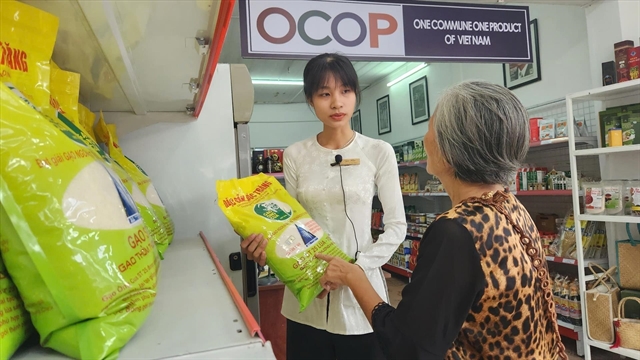
Vietnamese rice variety ST25 – crowned the World’s Best Rice at this year’s 7th World Rice Conference, marking the brand’s third consecutive triumph – has sparked fresh debate about Việt Nam’s ambitions to upgrade its entire agricultural value chain in an increasingly competitive global market. Speaking to the Vietnam News Agency, Vũ Xuân Trường of the Advisory Board at the Institute for Strategic Brand and Competitiveness Studies (BCSI) said the win highlights both the country’s progress and the urgency of shaping a smarter long-term strategy.
What does it mean for Việt Nam that ST25 continues to win the title of the World’s Best Rice in today’s highly competitive environment?
Winning the title again is not only a source of pride for Sóc Trăng rice farmers and a valuable recognition for Việt Nam’s national brand. According to the FAO, global rice exports will reach more than 56 million tonnes in 2025 and Việt Nam remains among the world’s top three exporters. In this context, ST25 sharing the top position with Cambodia is a double victory—both in quality and brand value.
If Thailand has jasmine rice to shape its identity, Việt Nam now has ST25 to represent national pride. I often joke: 'The ST25 grain is Việt Nam’s soft passport: fragrant, supple and carrying a global brand identity.'
What factors have helped ST25 maintain its superior quality and strong position over the years?
ST25's quality stands on three pillars. First is science and technology. It is the result of more than 25 years of research by the team of Hồ Quang Cua, Trần Tấn Phương and Nguyễn Thị Thu Hương. The variety is salt tolerant, climate resilient, pest resistant, and stable in yield—an enormous advantage in the Mekong Delta.
Second is a closed value chain. From VietGAP/GlobalGAP cultivation to ISO 22000:2018 and HACCP-compliant production, ST25 ensures transparency with QR-code traceability on every bag. This consistency builds strong consumer trust.
Third is intellectual property protection. After the late-registration lesson in the United States in 2020, the Ông Cua ST25 brand is now protected in 36 countries, including the US, Japan and the EU. This helps protect the Vietnamese brand in a global market full of risks.
What opportunities does ST25’s success create for Việt Nam’s rice industry?
Most importantly, ST25 helps Việt Nam shift from exporting agricultural products to exporting brands. This opens three opportunities. First, repositioning in the premium segment: shifting from selling by the tonne to selling by the brand could increase the value of Vietnamese rice from US$650 per tonne to over $1,200 per tonne.
Second, expanding into top-end markets—EU, Japan, the UAE and North America—where consumers are willing to pay for ESG-compliant products.
Third, promoting Vietnamese cultural value through agricultural products using the model one grain of rice – one Vietnamese story, giving consumers a sense of emotion and trust. The grain is not only food but also a story of land, people and creativity. In other words, ST25 has become a symbol of Made by Vietnam—a product carrying Vietnamese craftsmanship.
From your professional perspective, what solutions are needed to maximise the advantage of ST25 and strengthen Việt Nam’s rice position?
To make Vietnamese rice both the world’s best and the world’s best-selling, five groups of solutions are needed.
These include building a national brand strategy for Vietnamese rice, modelled on Thailand’s Thai Hom Mali Rice, with a unified identity and shared quality standards. Digital technology and blockchain should be used for traceability to increase transparency from farm to table.
At the same time, Việt Nam must develop green agriculture aligned with ESG standards and reduce carbon emissions to meet the EU’s CBAM requirements. International trademark registration for other key Vietnamese rice varieties is also essential to prevent brand theft. In parallel, investment in digital communication and cross-border e-commerce is needed to tell the story from Vietnamese fields to global dining tables.
Beyond rice, what should other agricultural sectors do to strengthen their international standing?
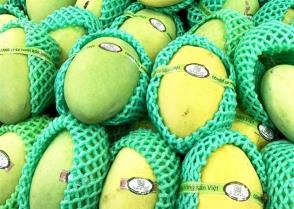
The key is value-chain thinking and comprehensive branding. Coffee, pepper, cashew and fruit sectors must shift from exporting raw materials to branded, processed products. Enterprises, research institutes, and farming regions must work closely to create regional specialty brand clusters.
Strengthening international geographical indication registration—such as Dak Lak Coffee, Ben Tre Coconut or Mekong Shrimp—will also enhance reputation.
At the same time, green development must be linked with sustainable branding, as global consumers increasingly value ESG and responsible agriculture.
If each agricultural product is seen as a cultural ambassador, then ST25 is Việt Nam’s Green Diplomacy Ambassador, paving the way for Vietnamese coffee, seafood and fruit to confidently enter global markets. VNA/VNS