Draft decree proposes allowing petrol traders to set prices
The petroleum market is set for a major overhaul this year as the power to decide the retail prices is proposed to be handed to businesses, replacing the current state management system in a move toward a more market-based mechanism.
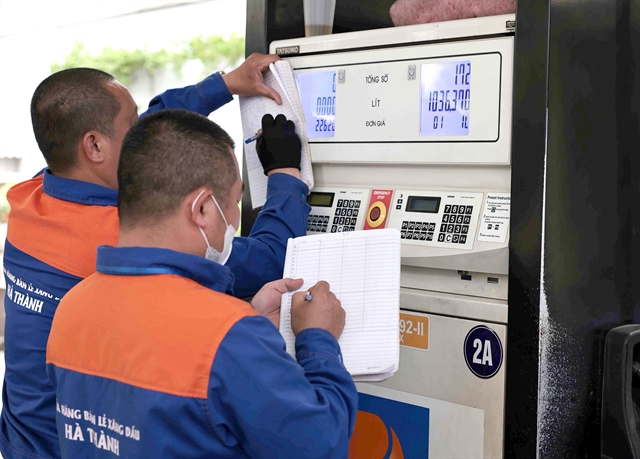
HÀ NỘI — Việt Nam’s petroleum market is poised for its biggest shake-up in years, with a proposed overhaul that would hand businesses the power to set retail fuel prices, ending the current system of direct State price management and pushing the sector closer to market-based rules.
Trần Hữu Linh, Director General of the Department of Domestic Market Management and Development under the Ministry of Industry and Trade, recently said a new decree is being drafted to replace all existing regulations on petrol and oil trading and pricing. Under the proposal, pricing authority would be formally transferred to enterprises, while State regulators would shift their role to supervision rather than direct price setting.
The upcoming decree, alongside changes in fuel types including the nationwide rollout of E10 biofuel, would mark a turning point for the fuel market this year, Linh said.
Under the draft decree, wholesale and retail fuel prices would be decided by fuel importers and distributors in line with market principles and the Law on Prices.
Retail outlets that belong to distribution systems of major players such as Petrolimex or PV Oil would be required to sell fuel at prices no higher than those announced by their parent systems.
Independent retailers outside these networks would be allowed to set their own prices after factoring in operating costs.
The ministry would make public a list of petroleum traders, regulate price declaration rules and coordinate management of the fuel price stabilisation fund, Linh said.
Violations such as failing to publicly post or declare prices would be strictly penalised once companies are granted pricing power.
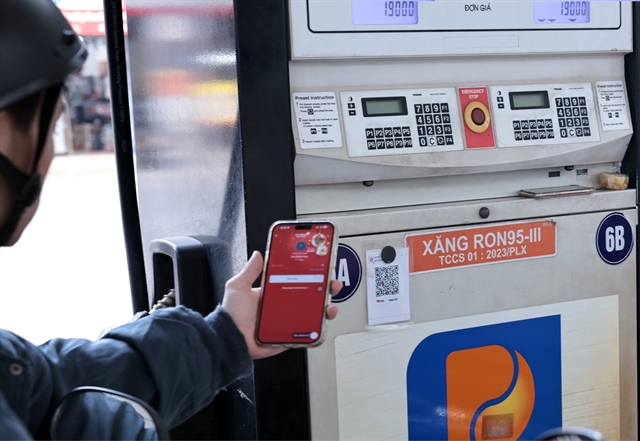
To enhance transparency, the ministry plans to develop a digital map of commercial infrastructure, Linh said, adding that the map will pinpoint the locations of about 17,200 petrol stations nationwide. This would allow consumers to find nearby stations, compare prices, check fuel availability and plan routes.
Fuel market to be reshaped
“Finalising and submitting the draft decree to the Government for approval is the Ministry of Industry and Trade’s top priority this year,” Nguyễn Thuý Hiền, the department’s deputy director, said.
Granting pricing power to businesses is expected to fundamentally reshape the current fuel trading system, Hiền stressed, adding that retailers would have to choose between joining a distribution network and applying prices set by a wholesaler or operating independently and setting their own prices.
This change would trigger a major restructuring of the distribution system and would require close monitoring by local authorities, particularly provincial industry and trade departments, to ensure transparency and prevent market distortions, Hiền said.
This new pricing mechanism, which allows enterprises to declare their own cost prices after balancing actual procurement costs, is a true market-based approach, said Bùi Ngọc Bảo, chairman of the Việt Nam Petroleum Association.
He added that differences in procurement capacity and operations would lead to price variations among wholesalers and retailers, encouraging competition to attract buyers.
The regulated pricing mechanism applied in recent years had created unnecessary tensions and should have been replaced earlier by a system allowing businesses to set prices themselves, Bảo said. He added that major fuel traders would still be required to declare prices fully and transparently.
The fuel market witnessed a relatively stable year in 2025 despite geopolitical tensions and volatile global energy prices, according to the ministry.
Total fuel supply for the domestic market in 2025 was estimated at 28.6 million cu m, up 2 per cent from 2024, while consumption reached about 26.4 million cu m, leaving an inventory of around 1.7 million cu m, which met regulatory reserve requirements.
Fuel prices were adjusted 54 times during the year, bringing retail fuel prices down 6 to more than 17 per cent from the start of the year.
In 2026, the ministry asked for preparations for a total fuel supply of nearly 31.8 million cu m, or about 2.65 million cu m per month, to support a GDP growth target of at least 10 per cent.
The ministry said it would tighten oversight of supply commitments by key traders, accelerate the rollout of the new decree, implement the biofuel roadmap from June 1 and upgrade the national fuel management system to ensure market stability and energy security. — VNS