Spring Fair helps promote Vietnamese brands and images: MoIT official
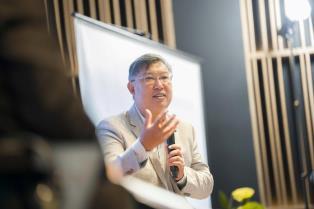
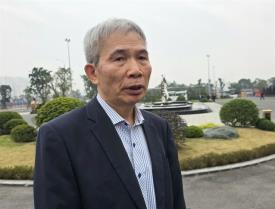
In an interview with the Vietnam News Agency (VNA), Vũ Bá Phú, director of the Vietnam Trade Promotion Agency (Vietrade) under the Ministry of Industry and Trade (MoIT), has described the first Glorious Spring Fair 2026 as a success, saying the event not only created a vibrant Tết atmosphere but also delivered tangible trade promotion results.
In an interview with the Vietnam News Agency (VNA), Vũ Bá Phú, director of the Vietnam Trade Promotion Agency (Vietrade) under the Ministry of Industry and Trade (MoIT), has described the first Glorious Spring Fair 2026 as a success, saying the event not only created a vibrant Tết atmosphere but also delivered tangible trade promotion results.
How do you assess the overall results of this year’s Spring Fair? To what extent were the set targets achieved?
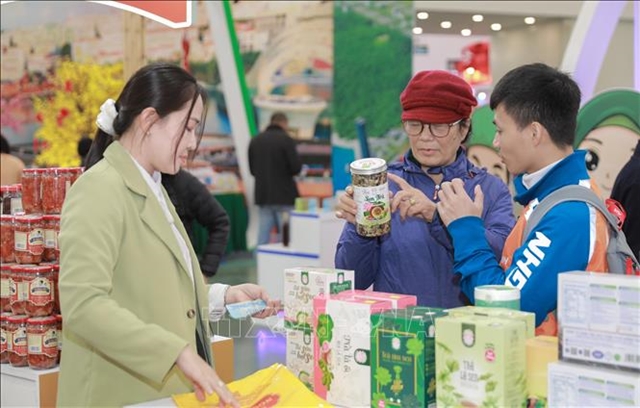
The 2026 Spring Fair was successful in creating a vibrant Tết and spring festive space. The event went beyond a conventional marketplace, combining production and business promotion activities with folk and contemporary cultural performances. Through these activities, the fair helped promote product brands and regional images while fostering pride in Vietnamese goods.
In terms of visitor numbers and transactions, the fair attracted around 500,000 visits over 10 days. It also welcomed international delegations from India, the Philippines, Belgium, the Republic of Korea, Japan and China seeking cooperation opportunities. Regarding business performance, results were positive. Exhibitors reported daily revenues ranging from several million to hundreds of millions of đồng. An estimated 75 per cent of participating units recorded strong revenue growth during the final weekend, notably those from Hà Nội, Cà Mau and Lào Cai.
On communications, the information dissemination target was effectively met thanks to coordinated efforts by press agencies and digital platforms. The fair was featured in thousands of articles and hundreds of social media posts on platforms such as Facebook and TikTok, generating hundreds of thousands of views per day.
Cultural and artistic programmes were described as the soul of this year’s fair. The integration of folk performance spaces and presentations of intangible cultural heritage alongside experiential activities such as making bánh chưng and crafting tò he figurines created a lively Tết atmosphere. These activities not only extended visitors’ stay but also enhanced product value, as each regional specialty was associated with its cultural story, strengthening public confidence in Vietnamese goods.
Overall, the fair created a spring-themed consumer space featuring high-quality Vietnamese products and regional specialties, combined with experiential and cultural activities. Visitors were able to shop while engaging with traditional values linked to domestic products, thereby enhancing the appeal of the event and promoting the production and trade capacity of localities.
How were supply–demand connectivity and support for enterprises, especially small- and medium-sized enterprises (SMEs), reflected at the fair?
The ministry noted that the 2026 Spring Fair marked a shift from a purely retail space to a more substantive trade platform. The effectiveness of enterprise support, particularly for SMEs, was reflected in three main aspects.
The event served as a bridge connecting producers, distributors and consumers. Through exhibition areas and thematic forums, enterprises were able to expand retail networks and directly access markets during the event.
By integrating traditional cultural elements and specialty product experiences, the fair created a strong consumer touchpoint that stimulated demand for Vietnamese goods. This provided an important boost for SMEs to promote their brands and accelerate sales during the peak pre-Tết period. Following the fair, the ministry will continue to support enterprises in maintaining links with distributors to translate promotional outcomes into stable supply contracts.
The fair’s success was not measured solely by revenue figures but also by the creation of a stronger connectivity environment, contributing to market stabilisation and encouraging the consumption of domestic products during the Tết season.
What lessons has the ministry drawn to improve the organisation of future fairs?
From the Spring Fair, the ministry outlined four key lessons to enhance future trade promotion activities. Fairs should not be viewed as standalone sales events but placed within a national trade promotion strategy, with coordinated organisation and clear themes to help regulate the market and stimulate demand at different stages. Consumer trust must be the benchmark. Fairs should ensure quality goods with clear origin and reasonable prices, alongside strict quality control for regional specialties to reinforce confidence in Vietnamese products and stabilise market sentiment.
Meanwhile, supply–demand connectivity activities should be further strengthened, linking product exhibitions with business forums and direct connections between enterprises and distribution systems to ensure concrete and long-term commercial results. Cultural and experiential spaces should continue to be integrated into exhibition areas to attract visitors. The combination of shopping and cultural experiences not only enhances brand promotion effectiveness but also creates a distinctive identity for Vietnamese fairs.
Lessons drawn from the first Spring Fair 2026 will serve as an important basis for improving the organisation of future national fairs and exhibitions in a more professional, effective and sustainable manner, thereby enhancing national trade promotion capacity and supporting enterprises in both domestic and international markets. — VNS