Public investment disbursement reaches 21.6% of the annual plan within five months
The Government's public investment plan for 2026 totals VNĐ1.08 quadrillion, the largest on record and about VNĐ175 trillion higher than the 2025 plan, the ministry said.
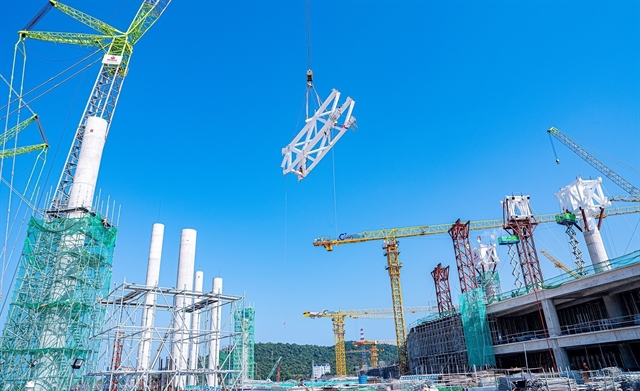
HÀ NỘI — Việt Nam’s public investment disbursement reached VNĐ219.4 trillion (US$8.4 billion) in the first five months of 2026, equal to 21.6 per cent of the annual target set by Prime Minister Lê Minh Hưng, the Ministry of Finance said on Wednesday.
Of the total, VNĐ70.6 trillion came from the central government budget, achieving 19.4 per cent of the target while local government budgets contributed VNĐ148.7 trillion, equivalent to 22.9 per cent of their plan, the ministry said.
The Government’s public investment plan for 2026 totals VNĐ1.08 quadrillion, the largest on record and about VNĐ175 trillion higher than the 2025 plan, the ministry said.
More than VNĐ1 quadrillion has been allocated to ministries, government agencies and local authorities, leaving around VNĐ79.7 trillion, or 7.4 per cent of the National Assembly-approved plan, still unassigned.
By the end of May, ministries, agencies and localities had allocated more than VNĐ1 trillion to specific projects and tasks. Excluding additional funding from local budgets, detailed allocations reached VNĐ990.7 trillion, equivalent to 97.8 per cent of the amount assigned by the Prime Minister.
Unallocated capital stood at VNĐ22.7 trillion, or 2.2 per cent of the assigned plan, across 12 ministries, central agencies and 12 localities.
The ministry said delays were mainly caused by incomplete investment procedures and proposals to reallocate funds from projects with limited demand to those requiring additional capital.
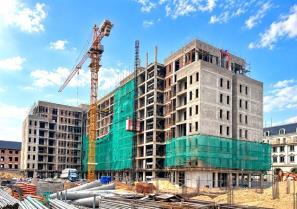
The ministry identified shortages of construction materials as a major obstacle to faster disbursement, as demand has risen sharply alongside efforts to accelerate public investment projects.
It also cited higher material prices, which have exceeded approved budgets and required contract adjustments, as well as delays in land clearance linked to disputes over land ownership, compensation rates and resettlement plans.
In addition, many project owners were still completing design work, cost estimates, approvals and contractor selection in the early months of the year, limiting the volume of work eligible for payment.
The ministry said weaknesses in project preparation and planning had also contributed to delays, with some projects requiring revisions or capital reallocations.
It added that the capacity of some project management boards, investors and contractors remained limited, while some local administrations lacked dedicated public investment personnel.
To accelerate disbursement, the ministry urged ministries, agencies and local governments to speed up land clearance, ensure adequate supplies of construction materials and strengthen oversight of material prices.
It also called for stricter enforcement of administrative discipline, including penalties for officials and organisations that delay projects, and urged local authorities to ensure sufficient staffing for project management, particularly in remote and disadvantaged areas.
The ministry further instructed agencies to fully update public investment disbursement data on its digital monitoring system to support performance tracking and evaluation. — VNS