Provinces told to kick off at least one rental housing project this month
The Ministry of Construction has asked each province and city to begin construction of at least one rental housing project with budget funds in June and prepare development plans for the sector through 2030.
HÀ NỘI — The Ministry of Construction has asked each province and city to begin construction of at least one rental housing project with budget funds in June and prepare development plans for the sector through 2030.
This is part of a broader push to make rental housing a key pillar of the country’s housing policy during 2026-30 to meet growing accommodation demand, improve social welfare, stabilise the property market and boost labour productivity.
The move reflects a shift in housing policy from prioritising commercial housing to promoting the parallel development of commercial and rental housing.
Under the directive, the ministry asked local authorities to assess housing and submit rental housing development plans for the 2026-30 period by the end of June.
The plans are required to include annual targets, project lists, implementation roadmaps and funding sources.
Notably, each locality must start construction of at least one social housing project funded by the budgets by the end of this month.
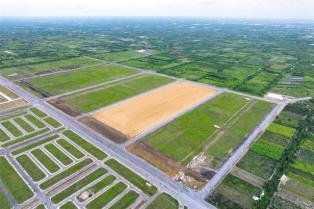
Local governments have also been instructed to prepare cleared land, allocate investment capital and accelerate large-scale rental housing projects in the second half of this year.
To support the programme, provinces and cities have been asked to establish or strengthen local housing development funds that will finance the construction or acquisition of rental housing.
The funds will be financed by local budgets and other lawful revenue sources, including proceeds derived from land allocated for social housing in commercial property projects.
The ministry also directed local authorities to review land-use plans and prioritise sites for rental housing in large urban centres, industrial parks, economic zones and transit-oriented development (TOD) areas.
Supporting infrastructure, including schools, healthcare facilities and community services, should be completed before projects are put into operation, the ministry asked.
The legal framework has been established for several types of rental housing, including official residences for public servants, social housing, housing for workers, commercial rental housing and privately developed rental apartments.
For worker accommodation, local authorities are asked to assess housing demand in industrial parks, reserve suitable land areas and speed up investment to provide stable housing for workers.
The ministry also encouraged provinces and cities to study support mechanisms for households and individuals building multi-storey rental housing while strengthening inspections to ensure compliance with fire safety, environmental sanitation and security regulations.
Underused public assets must be reviewed and considered to be converted into rental housing, the ministry said.
To accelerate implementation, the ministry called for administrative procedures for rental and social housing projects to be streamlined under a one-stop mechanism, with applications processed through a green lane to shorten approval times. — VNS