PET, polyester fibre plant starts production in Đà Nẵng
The first phase of a VNĐ1.8 trillion (US$69 million) PET chip and polyester fibre plant has begun operations in Đà Nẵng, adding new industrial production capacity to the city’s southern area.
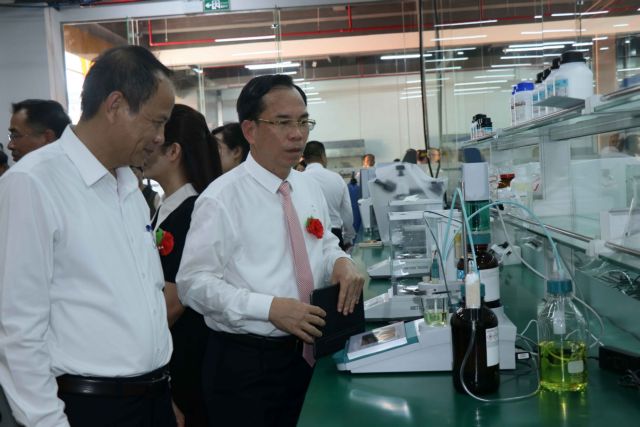
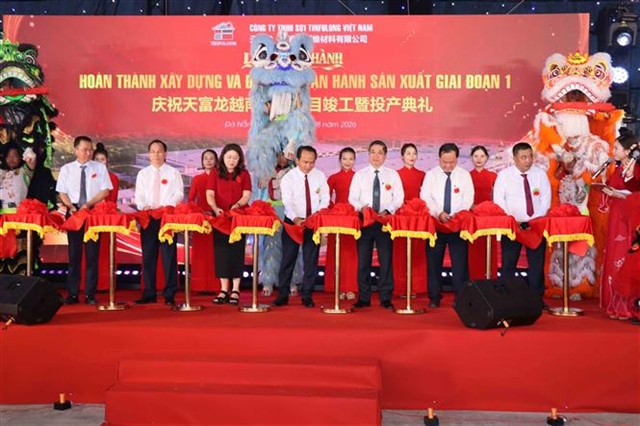
ĐÀ NẴNG — Tinfulong Vietnam Co. on Monday inaugurated and put the first phase of a PET chip and polyester fibre manufacturing plant into operation at Tam Thăng 2 Industrial Park in Chu Lai Open Economic Zone in Đà Nẵng.
The plant has a total investment of more than VNĐ1.8 trillion (US$69 million) and covers 55,602sq.m. It has an annual production capacity of 86,000 tonnes.
The company is currently building the second phase, which is scheduled to be completed before the third quarter of 2028, said Tinfulong Vietnam General Director Zhan Yong.
Vice Chairman of the Đà Nẵng People's Committee Phan Thái Bình said the plant's products have applications in a range of industries, including automotive, textiles, household goods, construction and healthcare. The project is expected to strengthen industrial supply chains and diversify the city's manufacturing base.
The first phase was completed and put into operation ahead of its registered schedule, reflecting the company's investment commitment and cooperation with local authorities, Bình said.
The project is expected to strengthen links between supporting industries and downstream manufacturers, while adding a new manufacturing segment to the southern part of Đà Nẵng, he said.
He also described the project as a sign of growing investment ties between Chinese businesses and Việt Nam, particularly as global supply chains are being reshaped, with Chinese manufacturers expanding their production footprint in Southeast Asia.
Bình urged the company to strictly comply with environmental regulations and closely control wastewater, emissions, solid waste and noise during operations.
He also called for greater use of advanced technologies to improve productivity and reduce energy and material consumption, as well as research into recycled materials and circular-economy production models.
The plant is expected to move towards greater automation, digital transformation and modern management as part of efforts to develop greener and more sustainable manufacturing, he said.
The vice chairman asked relevant departments and local authorities to continue supporting the company and help address difficulties arising during its operations. — BIZHUB/VNS