Nuclear experts urge century-long commitment at 14th Party Congress
VietNuc said developing domestic talent must be a priority, with policies to direct top students into nuclear programmes linked to clear job prospects, alongside stronger investment in research and development.
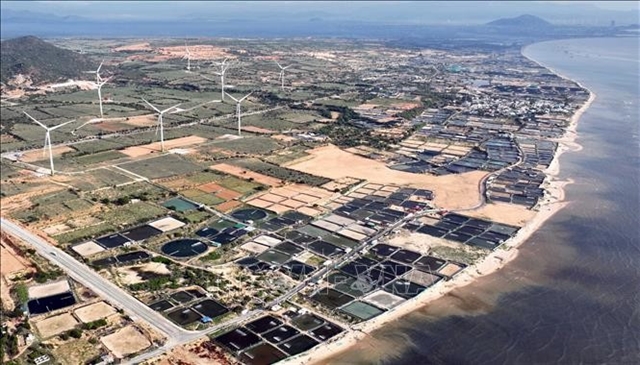
PARIS — The 14th National Party Congress should articulate a long-term strategy and firm commitment that recognises nuclear power as a clean and essential component of the national energy portfolio, with a century-long vision, according to members of the Vietnam Nuclear Professional Network (VietNuc)’s executive board.
Such a vision would span the entire nuclear cycle, from preparation and construction through 60-80 years of safe operation, and eventual fuel management. Only with a stable and long-term policy framework, they argued, can Việt Nam effectively pool the expertise of its overseas Vietnamese (OV) professionals and secure sustained cooperation with leading nuclear powers worldwide.
VietNuc members stressed that nuclear safety must come first. They called for an independent safety body reporting directly to the Prime Minister and for a safety culture to be applied from policymaking and design to construction, operation and decommissioning. They warned that rushing development could lead to failure, saying progress should be based on strong laws, institutions and safety governance.
Technology partners should be chosen through due diligence, focusing on those with stringent safety records, proven advanced technologies, and substantial localisation to maximise domestic content. Full-spectrum knowledge transfer is critical, encompassing training in design, construction, operations, waste handling, and decommissioning.
VietNuc said developing domestic talent must be a priority, with policies to direct top students into nuclear programmes linked to clear job prospects, alongside stronger investment in research and development. It also stressed the need for vocational training closely tied to practical work to ensure enough skilled technicians.
At the same time, the Party and State should attach importance to infrastructure, housing, and social welfare for thousands of workers, technicians, engineers and their families who will relocate during the 5–7 years of construction. Beyond this, Việt Nam must foster a broader nuclear energy ecosystem, encompassing supporting industries and sci-tech capabilities.
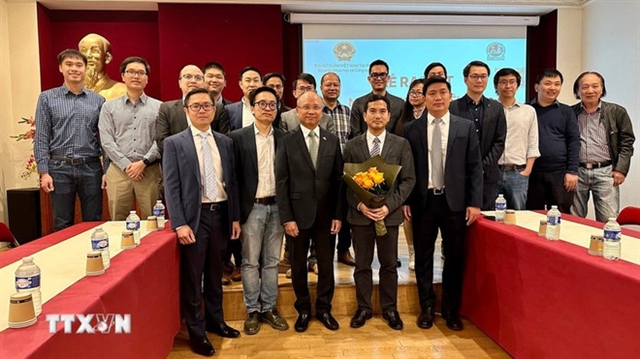
VietNuc’s executive board, including Chairman Bùi Nguyễn Hoàng from Électricité de France SA (EDF), Ưng Quốc Hưng from Setec Nucléaire Group and Vũ Minh Ngọc from the French National Radioactive Waste Management Agency (Andra), hoped the Congress would refine mechanisms and policies to better tap OV nuclear talent. They called for formal and regular channels of engagement between domestic ministries, agencies and OV expert networks, moving away from ad hoc, short-term cooperation.
Beyond attractive incentives, clear legal and administrative mechanisms are needed to assign OV experts real authority, decision-making power, and accountability linked to tangible results, they said.
Flexible mechanisms should enable direct involvement in policymaking, standard setting, workforce training, and technical advisory roles without red tape. Their strategic advisory role should be defined in law to ensure formal and long-term engagement. Professional independence, particularly vital in the nuclear sector, must be safeguarded, while outstanding experts should be empowered to mentor and lead the next generation.
Looking ahead, VietNuc aims to deepen global networks among Vietnamese nuclear and energy professionals, promote academic dialogue and policy discussions, and strengthen links between Vietnamese universities, research institutions, and leading international centres and corporations. — VNA/VNS