MoIT tightens 'Made in Việt Nam' criteria to combat trade fraud
The regulation is also expected to encourage greater accountability in protecting Vietnamese brands.
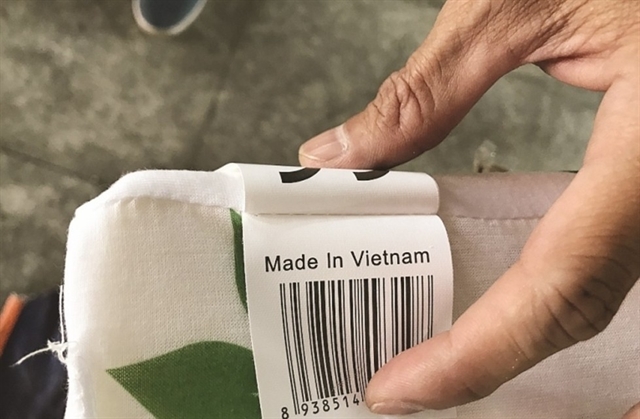
HÀ NỘI — The Ministry of Industry and Trade (MoIT) has submitted a draft decree to the Government to establish criteria for determining Vietnamese origin for goods sold in the domestic market, aiming to curb growing cases of origin-labeling fraud.
While Việt Nam already has regulations on rules of origin, these currently apply only to imports and exports, mainly for tariff preferences under free trade agreements and foreign trade management purposes.
No legal framework currently defines what qualifies as 'Vietnamese origin' for goods circulating domestically.
According to the ministry, misleading origin claims have become increasingly common, with some products labeled as 'Made in Việt Nam' despite undergoing only simple processing or assembly that does not substantially transform the goods.
In other cases, imported products or goods manufactured overseas have been falsely marketed as Vietnamese-made, misleading consumers.
MoIT believes that clearer origin criteria will help reduce disputes between manufacturers and consumers, provide a legal basis for enforcement, improve market transparency, and strengthen consumer protection. The regulation is also expected to encourage greater accountability in protecting Vietnamese brands.
Under the draft decree, goods may be recognised as wholly originating in Việt Nam under specified conditions. Products containing imported inputs may still qualify as having Vietnamese origin if they satisfy the applicable rules of origin and Vietnamese value-added requirements, although they would not be considered wholly Vietnamese.
The draft further stipulates that simple processing or assembly operations that do not substantially transform a product will not be taken into account when determining origin. Origin labeling will remain voluntary and self-declared, but businesses must be able to substantiate their claims when requested. The ministry emphasised that the proposed decree would not create additional administrative procedures for enterprises. — VNS