Ministry reviews anti-dumping measures on pre-stressed steel wire
The review was launched on January 21 after the Trade Remedies Authority received a request from a Chinese producer seeking a review of the anti-dumping measures.
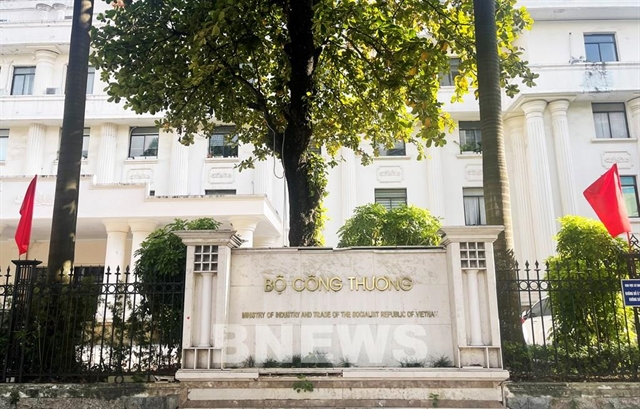
HÀ NỘI — The Ministry of Industry and Trade has launched the first review of anti-dumping duties imposed on certain pre-stressed steel strand products imported from Malaysia, Thailand and China.
The review was launched with Decision 150/QĐ-BCT on January 21, 2026, under case code AR01.AD17, after the Trade Remedies Authority received a request from a Chinese producer seeking a review of the anti-dumping measures.
Under Clause 1, Article 51 of Government Decree 86/2025/NĐ-CP dated April 11, 2025, parties are entitled to request a review annually within the first four years from the date an anti-dumping or countervailing measure takes effect or is extended.
After examining the dossier in line with regulations, the ministry decided to initiate the first review of the measures.
Việt Nam initially imposed anti-dumping duties on these products in January 2025, applying tariffs ranging from about 9.79 per cent to 28 per cent on imports from the three countries to protect its domestic industry from low-priced imports.
Pre-stressed steel strand – a key material used in construction and infrastructure projects such as bridges and high-rise buildings – has been subject to trade defence action because domestic producers say dumped imports hinder local industry development.
To safeguard the interests of all related parties, the Trade Remedies Authority called on organisations and individuals to register as interested parties using the prescribed form and submit it to the investigating authority via the online Trade Remedies Application and Registration System.
The registration must be completed within 60 working days from the effective date of the decision. The deadline for registration is April 22.
Applications can also be sent by post or email to the investigating authority at the Trade Remedies Authority of Việt Nam, 54 Hai Bà Trưng, Cửa Nam ward, Hà Nội.
Internationally, steel and related products have faced increasing trade remedies this year. Industry observers say such measures reflect a global trend of tightening trade defences in the steel sector as countries aim to protect local manufacturing amid volatile global markets and supply chains. — BIZHUB/VNS