HCM City turns cuisine into tourism growth engine
Cuisine is increasingly emerging as a key driver of tourism, as more travellers seek destinations offering memorable and distinctive food experiences.
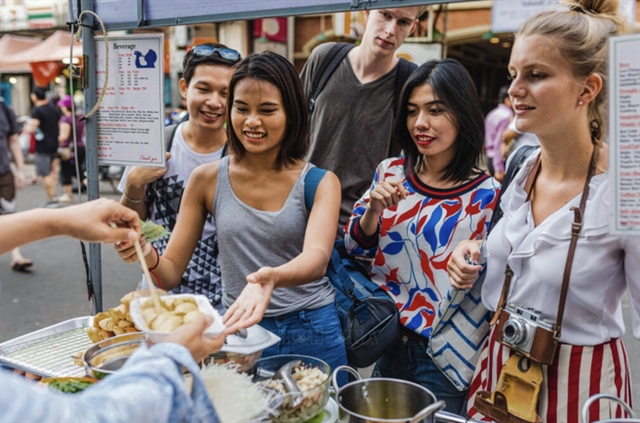
Food is reshaping travel choices, with cuisine now a key factor driving tourists towards destinations offering distinctive and memorable dining experiences.
As Việt Nam gains recognition as a culinary destination, Hồ Chí Minh City is positioning food as a central driver of tourism, developing signature experiences and products that are increasingly shaping travel choices and attracting international attention.
According to experts, tourists are increasingly drawn to street food experiences, traditional family recipes rich in heritage value, and modern fine dining. Việt Nam holds a significant advantage thanks to its culinary diversity across regions, attracting not only domestic visitors but also a growing number of international travellers.
From iconic dishes such as phở and bánh mì to Huế royal cuisine and fresh seafood from the Mekong Delta, Vietnamese cuisine has captured the interest of visitors thanks to its balance of flavours, fresh ingredients and strong regional identity.
Food as magnet
In HCM City, the Saigontourist Group Culinary Culture and Delicacies Festival 2026, held in late March, attracted nearly 80,000 visitors, an increase of more than 10,000 compared to 2025.
The event is the only large-scale culinary festival in Việt Nam to have received the title of “World’s Best Culinary Festival” for three consecutive years from 2023 to 2025, as well as “Asia’s Best Culinary Festival” for four consecutive years from 2022 to 2025 at the World Culinary Awards.
The festival offers a wide range of culinary experiences, featuring hundreds of dishes from hotels, resorts and four- to five-star restaurants, while also promoting the richness of Vietnamese culinary culture.
In addition to food, the event serves as a cultural showcase with traditional art performances, folk games and exhibitions of traditional craft villages.
Nguyễn Thị Ánh Hoa, chairwoman of Saigontourist Group and head of the festival’s steering committee, said the event was not only a celebration for food lovers but also a journey that connected heritage, promoted cultural identity and reinforced the global position of Vietnamese cuisine.
She added that organisers planned to develop international editions of the festival to bring Vietnamese culinary values closer to global audiences and overseas Vietnamese communities.
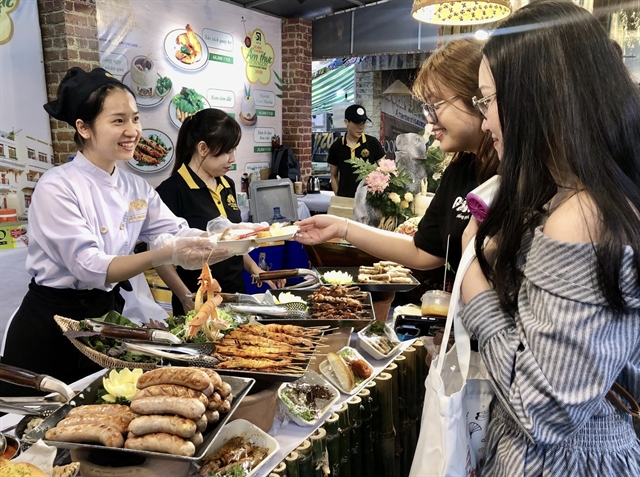
Building brands
Alongside this flagship event, a number of culinary festivals in HCM City are gradually building strong brands among both domestic and international tourists. These include the Việt Nam Bánh Mì Festival, Phở Day and the Vietnamese Rice Noodle Festival.
The Việt Nam Bánh Mì Festival, now in its fourth year, has helped elevate bánh mì beyond its status as a street food staple into a globally recognised culinary symbol.
Meanwhile, the Vietnamese Rice Noodle Festival has introduced visitors to a diverse range of rice-based dishes, including bún, phở, hủ tiếu and bánh tằm, while also showcasing traditional production processes and offering opportunities to engage with culinary experts.
According to Nguyễn Thị Khánh, chairwoman of the HCM City Tourism Association, such events are designed to create immersive culinary spaces that honour traditional values while encouraging innovation, thereby enhancing the overall visitor experience.
Recent findings highlight the growing importance of cuisine in travel decisions. A survey by digital travel platform Agoda revealed that 35 per cent of Vietnamese travellers considered food to be a primary motivation for travel, placing them among Asia’s leading culinary tourism enthusiasts. Vietnamese travellers ranked second in the region in terms of prioritising local food experiences when choosing destinations.
Vũ Ngọc Lâm, Agoda’s country director in Việt Nam, said the results reflected the central role of food in Vietnamese culture and travel behaviour. For many, a journey is only considered complete when it includes authentic local culinary experiences, whether within the country or abroad.
Experts note that as cuisine is deeply embedded in daily life and cultural identity in Việt Nam, destinations must leverage gastronomy as a key driver to both retain domestic visitors and attract international tourists.
Phạm Huy Bình, director of the HCM City Department of Tourism, said the city’s tourism sector was not only expanding in scale but also shifting towards improving quality, strengthening connectivity and enhancing its ability to create lasting impressions.
He noted that HCM City was gradually positioning itself as a hub that connects destinations, organises markets and develops tourism products that inspire new travel journeys.
Strategy shift
Entering a new phase of development as a mega-city, HCM City has launched a series of strategic programmes to promote its image, culture, people and distinctive cuisine.
The tourism sector has conducted in-depth assessments to identify the potential of culinary tourism, aiming to position the city as a convergence point for both domestic and international specialities.
Based on these efforts, local authorities are promoting gastronomy as a core tourism product to increase the city’s attractiveness. The Department of Tourism has also carried out detailed surveys to develop 20 specialised culinary tourism programmes for visitors.
These programmes include themed tours such as "Vespa Lê La", Saigon coastal experiences, double-decker bus tours combined with dinner cruises on the Indochina vessel, and food discovery trips to neighbouring destinations such as Bình Dương and Bà Rịa–Vũng Tàu.
Each culinary tourism programme is designed to offer a unique experience, integrating dining, shopping and sightseeing across HCM City and nearby localities. This approach forms part of the city’s broader strategy to develop culinary tourism through 2030.
From the perspective of local residents, these programmes go beyond conventional sightseeing by offering opportunities to explore cultural stories, history and local lifestyles through food. For many families, particularly those with children, culinary tourism is becoming an increasingly attractive option for holidays.
Visitors to HCM City in early 2026 have also noted a renewed tourism landscape, with cuisine emerging as a standout feature. From modern urban attractions to eco-tourism and high-end resorts, culinary experiences are now seamlessly integrated throughout travel itineraries.
With these developments, HCM City is positioning cuisine not just as an attraction, but as a decisive force shaping travel choices — driving demand, deepening visitor engagement and projecting Vietnamese gastronomy onto the global stage. VNS