HCM City tax authority targets record VNĐ800 trillion of revenue in 2026
HCM City's tax authority has set a target of collecting VNĐ800 trillion (US$30.8 billion) in domestic revenue in 2026, up 27.6 per cent from the Government assigned estimate and 29 per cent higher than the amount collected in 2025.

HCM CITY — HCM City's tax authority has set a target of collecting VNĐ800 trillion (US$30.8 billion) in domestic revenue in 2026, up 27.6 per cent from the Government assigned estimate and 29 per cent higher than the amount collected in 2025.
The ambitious target is expected to support the city's goal of generating total budget revenue of VNĐ1 quadrillion ($38.5 billion) this year.
According to Giang Văn Hiển, deputy head of the HCM City Tax Department, the Government assigned the city a budget revenue target of VNĐ627 trillion ($24.1 billion) at the beginning of 2026, including VNĐ587.5 trillion ($22.6 billion) in domestic revenue excluding crude oil and VNĐ39.5 trillion ($1.5 billion) from crude oil.
However, under Directive No. 45 issued by the municipal People's Committee on measures to secure double-digit economic growth in 2026, the tax authority has been tasked with raising domestic revenue collection to VNĐ800 trillion.
The target comes as the economy continues to face challenges despite positive recovery signals nationwide and in HCM City.
Geopolitical developments since early 2026 have placed pressure on production and business activities.
In particular, tensions between Iran and the United States have affected energy markets, logistics and global supply chains.
Sea freight costs have reportedly doubled or tripled, while prices of key inputs such as fuel, steel and chemicals have risen by 30 to 70 per cent, increasing production costs for businesses.
Despite these difficulties, budget revenue performance in the first five months of the year has been encouraging.
Revenue managed by the HCM City Tax Department reached an estimated VNĐ327.1 trillion ($12.6 billion), equivalent to 52.2 per cent of the Government assigned target and 40.9 per cent of the city's VNĐ800 trillion goal.
The figure was nearly 25 per cent higher than that of the same period last year.
Domestic revenue excluding crude oil exceeded VNĐ305.3 trillion ($11.7 billion), up 26.3 per cent year on year, while crude oil revenue reached VNĐ21.8 trillion ($838 million), up 8.4 per cent.
The production and business sector remained the largest contributor, generating nearly VNĐ199 trillion ($7.7 billion), a year on year increase of 36.7 per cent.
Revenue from land related sources also recorded strong growth.
Collections from land use fees and land rentals totalled VNĐ22.4 trillion ($863 million) in the first five months, up 64 per cent from a year earlier.
The tax authority said the results reflected the city's resilience and recovery capacity.
However, analysis across sectors and business groups indicated potential risks that could affect revenue collection progress in the remaining months of the year.
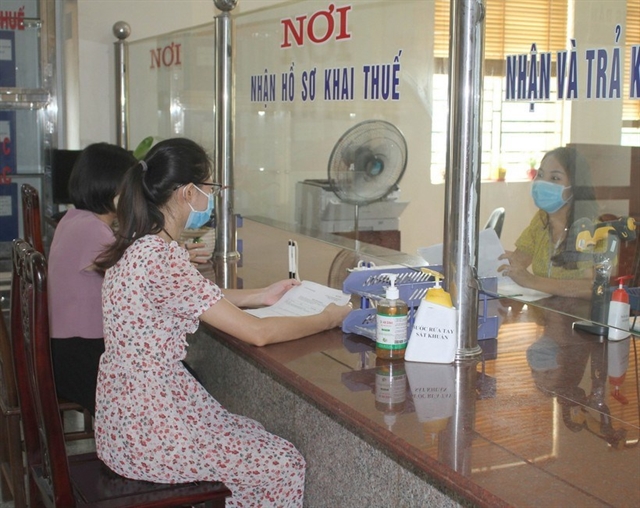
To achieve the VNĐ800 trillion target, the department is implementing a range of measures, including accelerating digital transformation and expanding the use of big data to strengthen oversight of electronic invoices and prevent tax fraud and transfer pricing.
For business related revenue, tax officials will step up taxpayer support, improve declaration compliance and strengthen management of outstanding tax debts to ensure timely and sufficient collection.
In the land sector, the department is working with relevant agencies to remove legal bottlenecks and recover debts from major projects. Priority cases include debts owed by Lotte Properties HCMC of VNĐ16.96 trillion ($652 million), Đế Vương City Joint Venture Co., Ltd. of VNĐ5.23 trillion ($201 million), and the remaining obligations of Berjaya Vietnam International University Town Corporation amounting to VNĐ14.4 trillion ($554 million).
The department estimates that revenue from land use fees and land rentals should reach around VNĐ189 trillion ($7.3 billion) this year.
This means the city will need to collect an additional VNĐ167 trillion ($6.4 billion) from land related sources during the final seven months of 2026.
The tax authority has therefore urged the municipal People's Committee to direct relevant agencies to accelerate land valuation, land allocation and land auction procedures to generate additional budget revenue.
It has also proposed faster disbursement of public investment capital, quicker collection of amounts identified through inspections and audits, and stronger tax administration for household businesses and e-commerce activities.
For household businesses, the department is promoting the adoption of electronic invoices generated from cash registers to improve tax compliance and reduce revenue losses.
The authority has established cross area inspection teams to assess business operations, labour usage and invoicing practices, while coordinating with police, market surveillance forces and local authorities to address non-compliance.
The department has also called for continued cooperation among wards, communes and government agencies in tax policy communication and administration to help ensure the city's revenue target is achieved this year. — VNS