HCM City pushes charging network to power electric bus growth
HCM City is working to remove bottlenecks in charging infrastructure for electric buses as it accelerates the transition to green public transport and targets 100 per cent clean-energy buses by 2030.
HCM CITY — HCM City is working to remove bottlenecks in charging infrastructure for electric buses as it accelerates the transition to green public transport and targets 100 per cent clean-energy buses by 2030.
The city’s Department of Construction has submitted a proposal to the municipal People’s Committee to use public bus depots and parking facilities to install electric charging stations to support the rapid expansion of electric buses and ensure synchronised infrastructure.
According to the proposal, the city’s Public Transport Management Centre currently manages 25 bus depots and parking areas covering a total of about 120,000 square metres, but none of them is equipped with charging stations.
Transport operators running electric buses are therefore forced to carefully plan charging schedules due to limited infrastructure, highlighting an urgent need for additional charging facilities.
Under the plan, 19 bus depots will be leased for the installation of charging systems, covering about 109,575 square metres, with around 25,075 square metres expected to be allocated for charging infrastructure.
These depots include Văn Thánh, Sài Gòn, Chợ Lớn, Đầm Sen, Tân Phú, Linh Trung 2 Export Processing Zone, Linh Đông technical logistics yard, Hiệp Thành, Thới An, Hóc Môn, Tân Quy, An Nhơn Tây, Lê Minh Xuân, Trần Đại Nghĩa terminal, District 8, Cầu Kênh Lộ, Cần Giờ, Củ Chi and Bình Thái.
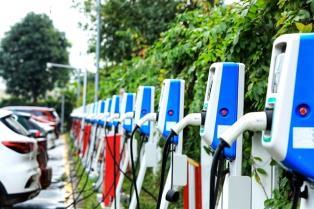
The project is expected to install 121 charging pillars with four charging ports each and a combined capacity of about 480kW, along with 12 battery-swapping stations for electric motorbikes at selected depots.
Authorities plan to lease the infrastructure through auctions for up to seven years to help businesses recover investment costs while ensuring compliance with unified charging standards and pricing regulations.
Charging stations will prioritise electric buses from 9pm to 6am and ensure compatibility with all electric buses using standardised charging systems.
Charging prices must be equal to or lower than the publicly announced electricity rates in the city.
Based on the proposed leasing prices and areas, the Department of Construction estimates the city could collect around VNĐ22 billion (US$860,000) in the first year and nearly VNĐ180 billion ($7 million) over seven years.
The proposal comes as the city pushes forward with its vehicle emission control plan, which sets a roadmap for all public buses to switch to electric or green energy by 2030.
Between 2025 and 2030, the city plans to deploy about 3,011 electric buses, replacing 1,537 existing vehicles and adding 1,474 new ones, making charging infrastructure development a key requirement for the transition.
Currently, the city has only five charging stations with 56 charging pillars, mainly developed by transport companies.
VinBus operates one station with eight chargers, while Futa Buslines runs four stations with 48 chargers, capable of charging more than 700 buses if operating 12 hours per day.
While this capacity is sufficient for the current fleet of about 627 electric buses, it will not meet future demand as the number of electric buses grows rapidly.
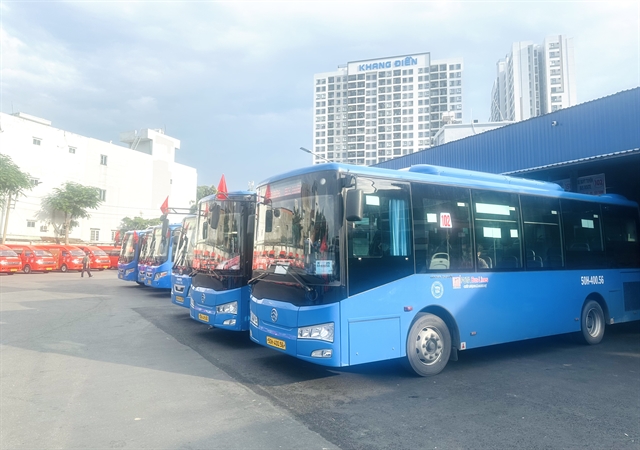
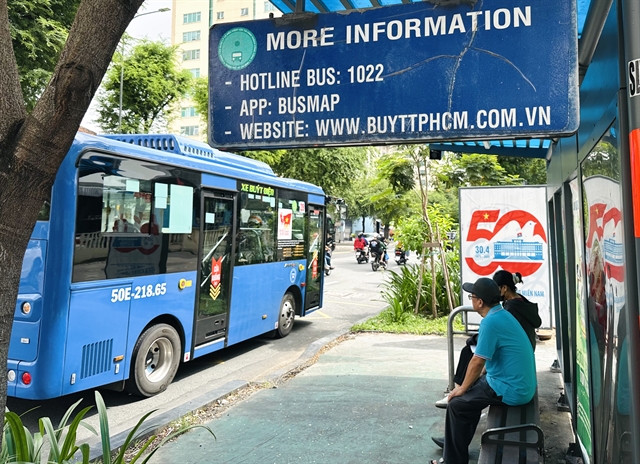
In recent months, the electric bus network expanded significantly, with Futa Buslines launching 27 electric bus routes in August 2025 and VinBus introducing nine routes with 169 electric buses in early March.
Nguyễn Công Nhật, CEO of VinBus, said electric buses provide passengers with a more comfortable and environmentally friendly travel option while contributing to the city’s green transport transformation and improving service quality.
Passenger numbers on public transport have also increased recently.
The Public Transport Management Centre reported that daily metro and bus ridership reached about 340,000 passengers in March 2026, up 35 per cent from late February and 12 per cent year-on-year, partly due to rising fuel prices.
Bùi Hòa An, deputy director of the city’s Department of Construction, said the city is committed to developing a green public transport system, with electric buses playing a central role in achieving sustainable urban mobility.
Electric buses now account for about 62 per cent of the city’s fleet, compared to only 25 per cent a year ago, underscoring the urgent need for a synchronised charging infrastructure network.
Experts said charging infrastructure is crucial to scaling up electric transport and attracting private investment into green mobility. — VNS