HCM City expands supply-demand links to support local products
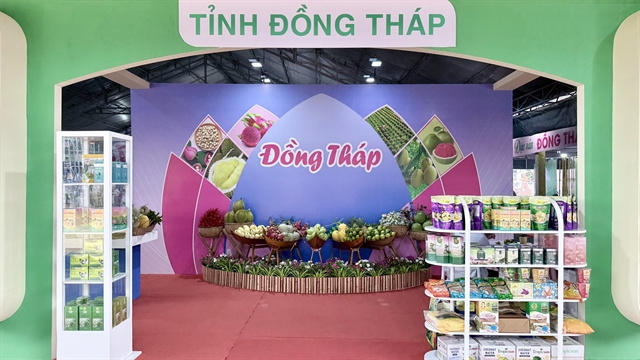
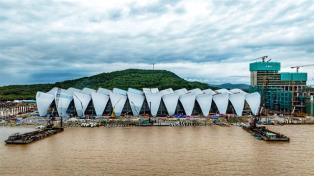
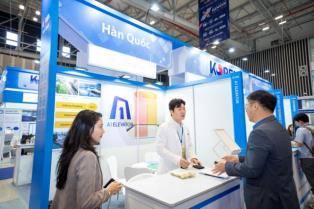
The annual Supply-Demand Connection Programme between HCM City and various provinces and cities opened at Phú Thọ Indoor Sports Stadium in HCM City’s Phú Thọ Ward on October 8, providing a platform for businesses and cooperatives to showcase products, seek distribution partners and expand markets.
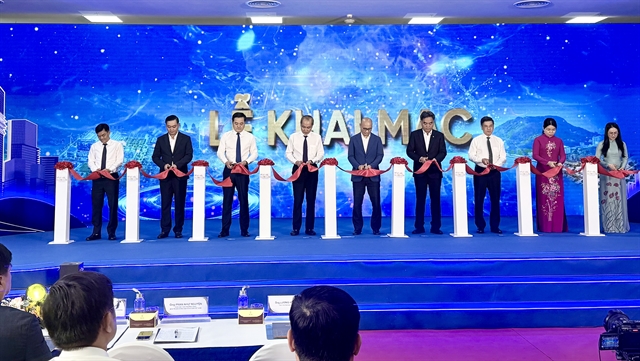
HCM CITY — The annual Supply-Demand Connection Programme between HCM City and various provinces and cities opened at Phú Thọ Indoor Sports Stadium in HCM City’s Phú Thọ Ward on October 8, providing a platform for businesses and cooperatives to showcase products, seek distribution partners and expand markets.
This year’s programme carries the theme “Responsible Connection – Developing Green, Digital and Sustainable Supply Chains”, focusing on technology, e-commerce and multi-channel strategies to strengthen links between manufacturers, agricultural cooperatives, distribution networks and online retail platforms.
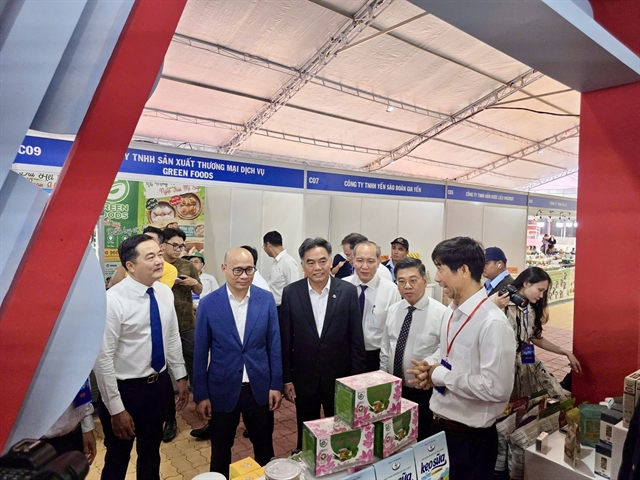
A key focus is promoting and expanding markets for products participating in the “Responsible Green Tick” programme that links quality control, traceability, distribution and consumption, helping develop safe, transparent and responsible supply chains.
Speaking at the opening, Nguyễn Lộc Hà, Permanent Vice Chairman of the HCM City People’s Committee, said that after 15 years, the programme had evolved beyond business-matching events into a stable cooperation mechanism between HCM City and other localities, linking production areas with businesses and distribution networks.
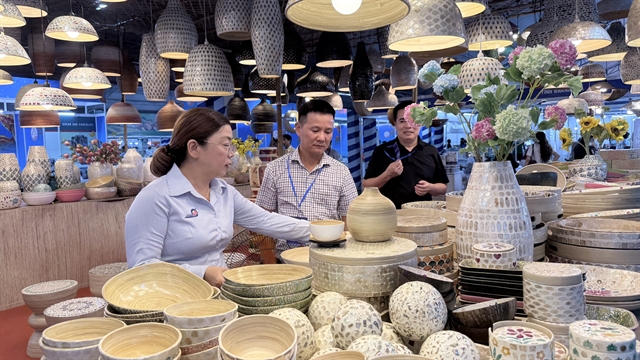
The programme has helped agricultural products, processed foods, products certified as One Commune One Product (OCOP) and regional specialties gain access to larger consumer markets while diversifying the city’s sources of goods, he said.
“This result affirms that HCM City is a common market for businesses and farmers from different localities, while their supply sources and raw-material areas provide a foundation for the city to maintain supply-demand balance and ensure stable living conditions for residents,” Hà said.
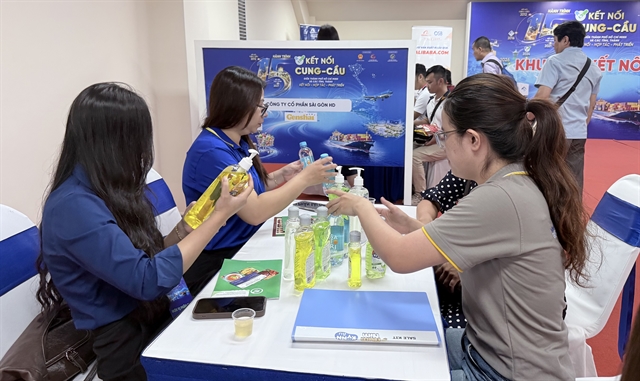
He said HCM City would continue to promote its role as a commercial centre and a hub connecting and coordinating the supply and demand of goods across regions and the country.
As consumers increasingly demand higher quality, food safety, traceability, sustainability and modern retail practices, Hà called on localities to shift from event-based business matching to regular cooperation based on product groups and seasons.
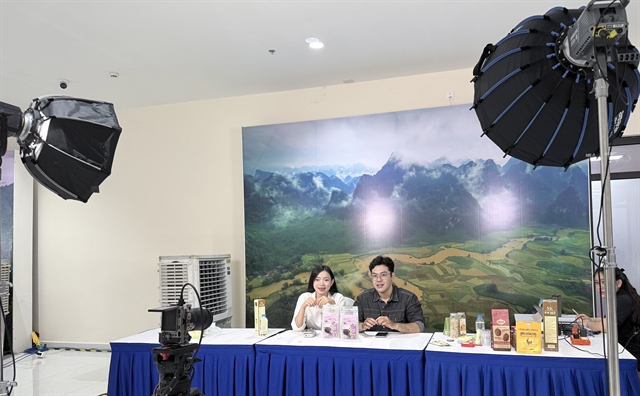
This should include stronger links between raw-material areas, processing businesses, distribution systems and logistics services, as well as greater investment in trade and logistics infrastructure to reduce circulation costs and complete value chains from production to consumption.
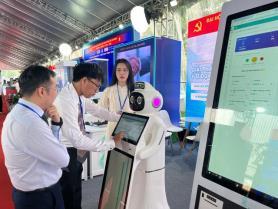
HCM City will also promote digital transformation by supporting businesses and cooperatives in developing digital storefronts, adopting multi-channel sales, applying artificial intelligence and participating in cross-border e-commerce.
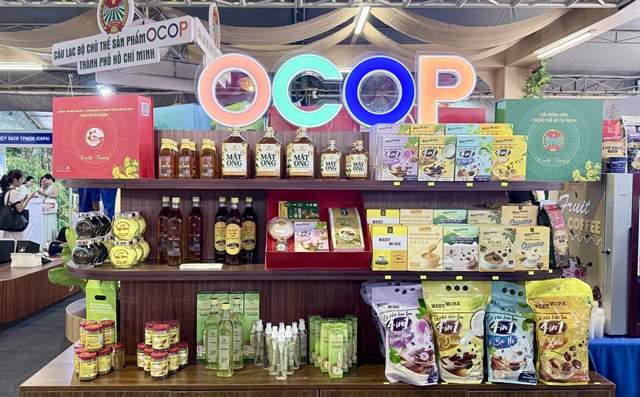
Businesses are expected to improve product quality, packaging and traceability, while developing products suited to modern distribution networks and export markets. Another priority is developing green supply chains that link production with distribution and sustainable consumption, helping improve the competitiveness of Vietnamese goods.
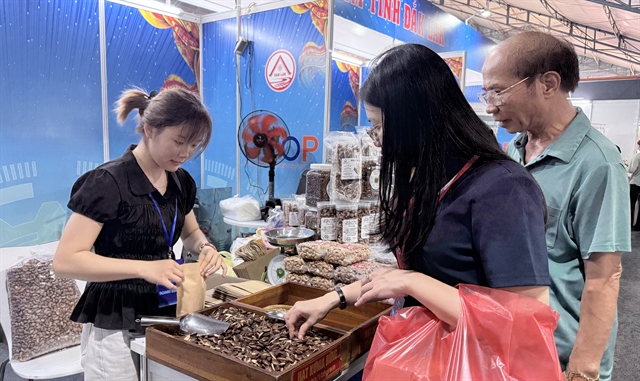
Hà instructed the Department of Industry and Trade to monitor cooperation agreements reached after the programme, with actual sales and the long-term effectiveness of supply-chain linkages serving as key measures of success.
Organised by the Department of Industry and Trade, the event will run until October 11. — VNS