HCM City emerges as magnet for high-value FDI, no longer a low-cost destination
HCM City is accelerating its transition from a manufacturing base reliant on labour-intensive industries to a destination for high-value foreign direct investment.
HCM CITY — HCM City is accelerating its transition from a manufacturing base reliant on labour-intensive industries to a destination for high-value foreign direct investment.
It is increasingly focusing on attracting FDI in technology, innovation, research, and high-value services.
The shift comes as it seeks to strengthen its role in global supply chains and improve the quality of investment inflows amid growing competition between countries in the region for international capital.
For decades, foreign investors have viewed HCM City as one of Việt Nam's most attractive destinations thanks to its large consumer market, strategic location, extensive infrastructure network, and abundant labour.
But now city leaders aim to move beyond attracting investments based primarily on low production costs and focus on projects capable of generating greater added value, facilitating technology transfer, and supporting the development of domestic enterprises.
According to economic experts, the city's efforts align with broader global trends as multinational corporations increasingly seek locations that can provide not only manufacturing capacity but also innovation ecosystems, highly skilled workers, and favourable conditions for research activities.
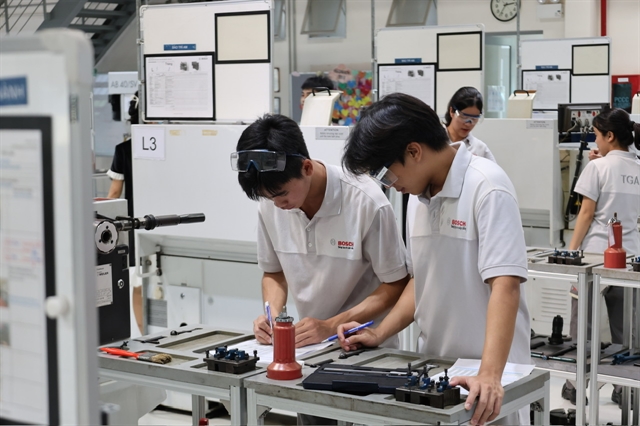
A notable example of the city's appeal to international investors is German technology and engineering company Bosch, which has expanded significantly since entering the market more than three decades ago.
It established a representative office in Việt Nam in 1994, and established Bosch Việt Nam in 2007 when it began expanding into various industries.
Now it employs nearly 6,000 people as against only about 10 in its early years in the country.
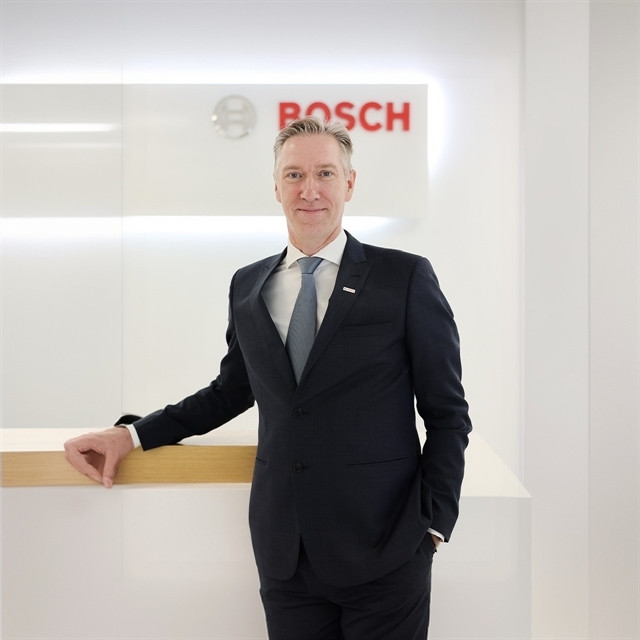
Andre de Jong, managing director of Bosch Việt Nam, said the company has witnessed remarkable changes in the country's business environment over the years.
He said the city has become an increasingly attractive destination for multinational corporations thanks to its dynamic economy, strong support for innovation, and availability of high-quality human resources.
It has also emerged as a major centre for research and development, helping companies strengthen their competitiveness and create products with higher technological content.
"The quality of human resources in HCM City continues to improve, and this is one of the most important factors influencing investment decisions."
Industry observers said human capital has become a critical advantage for the city as global manufacturers move towards automation, digitalisation, and advanced production technologies.
Universities, research institutes, and technology training centres in the city are supplying an increasing number of engineers, software developers, and technology specialists needed by foreign investors.
This advantage is particularly important as Việt Nam seeks to attract investment in semiconductors, artificial intelligence, data centres, biotechnology, and advanced electronics.
The city's determination to attract higher-quality capital is reflected in its investment promotion strategy.
Rather than approving projects solely based on investment scale, authorities are paying closer attention to technology content, environmental standards, and their potential contribution to economic restructuring.
Priority sectors include integrated circuits, semiconductor manufacturing, digital technology, green industries, logistics, financial services, biotechnology, renewable energy, and innovation-driven activities.
The strategy is designed not only to increase investment volume but also to maximise the economic benefits generated by foreign enterprises.
Officials believe high-technology projects can help local firms participate deeper in global supply chains while creating opportunities for technology transfer and workforce development.
Recent investment figures suggest the city's approach is producing positive results.
It remains one of Việt Nam's leading destinations for foreign investment and continues to attract interest from major corporations in Asia, Europe, and North America.
Its High Tech Park has become a focal point for strategic investments.
In the first quarter of 2026, four new projects worth more than US$1.23 billion were licensed there – in data infrastructure, biomedical technology, and advanced electronics production, sectors expected to play a crucial role in the city's future economic development.
Experts said such projects are helping transform HCM City into a regional centre for innovation and high-technology manufacturing rather than merely a processing and assembly base.
The city is also benefiting from broader global economic shifts.
Amid geopolitical uncertainty and supply chain diversification strategies, many multinational corporations are looking to expand their presence in Southeast Asia.
Việt Nam has emerged as a preferred destination due to its political stability, rapid economic growth, and clutch of free trade agreements.
In the country, HCM City has a unique position because of its concentration of talent, financial institutions, logistics services, and supporting industries.
To maintain competitiveness, authorities are investing heavily in infrastructure development.
Major transport projects, including ring roads, expressways, metro lines, port upgrades, and logistics centres, are expected to improve connectivity and reduce costs for businesses.
At the same time, efforts are under way to streamline administrative procedures, enhance digital government services, and improve the investment climate.
The city has also introduced policies aimed at supporting innovation, start-up development, and cooperation between universities and businesses.
Economists believe these initiatives will help create a more comprehensive ecosystem capable of attracting technology-intensive projects and retaining highly skilled professionals.
Looking ahead, HCM City has set ambitious targets for attracting foreign investment while ensuring future projects contribute to sustainable development goals.
It aims to become a leading innovation and financial centre in Southeast Asia, with foreign investment playing a central role in achieving that vision.
As global investors increasingly prioritise locations offering talent, technology, and long-term growth potential, HCM City appears well positioned to strengthen its status as a premier destination for high-value FDI in the region. — VNS