Democratic midterm victory could boost Việt Nam stock market: VinaCapital
The Democratic Party’s historic sweep of the US midterm elections could provide a big boost to Việt Nam’s stock market by easing concerns over potential US tariffs and creating conditions for lower domestic interest rates, according to VinaCapital.
HCM CITY — The Democratic Party’s historic sweep of the US midterm elections could provide a big boost to Việt Nam’s stock market by easing concerns over potential US tariffs and creating conditions for lower domestic interest rates, according to VinaCapital.
In a report, Michael Kokalari, CFA, chief economist at VinaCapital, said the outcome was good news for Việt Nam’s economy and even better news for its stock market, though its direct economic benefits would likely be modest.
He identified two main benefits: reducing the risk of President Donald Trump disrupting Việt Nam’s exports to the US, the biggest driver of GDP growth this year, and increasing the likelihood of an end to the US–Iran war, which could ease global oil prices and domestic inflation.
However, the stock market implications could be considerably greater than the economic impact.
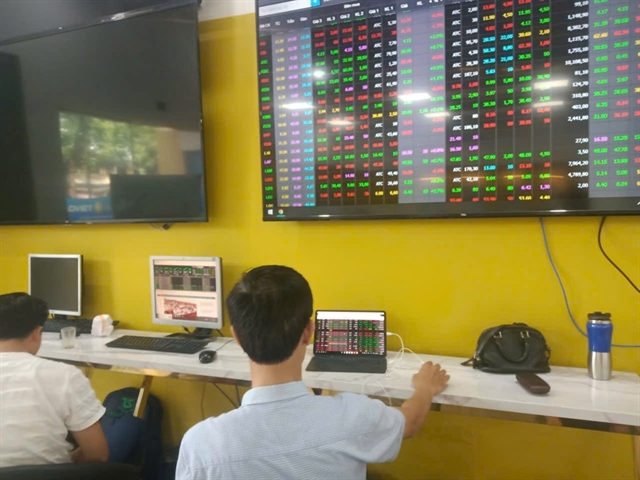
The VN-Index has remained essentially flat this year despite GDP growth of 9 per cent in the first nine months of 2026 and expected full-year earnings growth of 25 per cent. This has largely reflected concerns over potential heavy US tariffs on Việt Nam and, more significantly, elevated domestic interest rates.
Kokalari said VinaCapital had never viewed tariffs as a serious threat to Việt Nam’s economy, noting that its trade surplus with the US had surged to become the largest of any country’s.
Nevertheless, tariff concerns had weighed heavily on investor sentiment, and easing fears of additional disruptive tariffs could remove a significant source of stock-market pessimism.
More importantly, an end to the US–Iran war could help pave the way for lower interest rates in Việt Nam.
Inflation is currently slightly above 5 per cent, with roughly three percentage points directly attributable to war-related price increases, including higher diesel and petrol prices. Oil prices fell sharply the day after the election as markets began pricing in expectations of an end to the conflict.
Domestic interest rates have also been pushed higher because credit growth significantly outstripped deposit growth over the past two years. However, this imbalance is now easing, according to VinaCapital.
The combination of stable-to-lower interest rates, lower oil prices, a declining banking system loan-to-deposit ratio, and easing trade concerns could push the VN-Index higher in the coming months, particularly given its very cheap valuation.
Export growth set to slow
But VinaCapital expects the election result to have only a modest impact on Việt Nam’s economy.
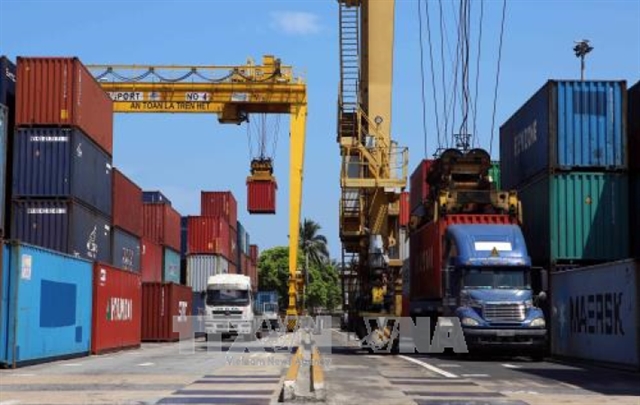
Exports to the US have increased 26 per cent this year, driven by a surge in high-tech shipments, which are up more than 50 per cent year on year.
Việt Nam is also running a trade surplus with the US equivalent to 30 per cent of GDP, alongside a trade deficit with China equivalent to 32 per cent of GDP, prompting concerns about the transshipment of Chinese goods through Việt Nam.
However, Kokalari pointed to the gap between high tariff rates discussed in media reports and those actually applied. According to the Economist Intelligence Unit, the average effective US tariff is below 10 per cent because of numerous exemptions and carve-outs. The US relies heavily on both China and Việt Nam for many categories of imports, making it difficult to impose high tariffs on both countries simultaneously.
Regarding the US Section 301 investigation into Việt Nam’s intellectual property protection and enforcement, he said: “We would not be surprised if that determination deadline is extended (which has happened before) and we do not expect punitive tariffs even if the US Trade Representative makes an adverse finding, noting that Indonesia negotiated an agreement with the US that avoided any material additional trade penalties following an adverse determination by USTR in a similar proceeding earlier this year.”
Meanwhile, signs of a sharp slowdown in Việt Nam’s export growth to the US were already evident before the election. Foreign-owned firms’ new export orders peaked in July and are now shrinking, according to the Purchasing Managers’ Index.
Their imports of production inputs point in the same direction. Earlier this year, aggressive imports of materials needed for export manufacturing pushed Việt Nam’s trade deficit to the equivalent of 7 per cent of GDP around midyear. However, this gap has narrowed substantially, indicating that export growth to the US was already set to decelerate sharply next year, irrespective of the election outcome.
Nevertheless, strong earnings growth and a largely flat VN-Index have sharply reduced market valuations.
Based on forecast earnings growth of 12 per cent in 2027, the index’s forward price/earnings-to-growth (PEG) ratio is below 1x, supporting VinaCapital’s positive outlook for the market. — VNS