Đà Nẵng seeks to build high-tech agriculture, integrated value chains
The city has a broader production base, more diverse sources of raw materials and greater potential to connect agriculture with urban centres, tourism, services, science and technology, ports, airports and logistics networks.
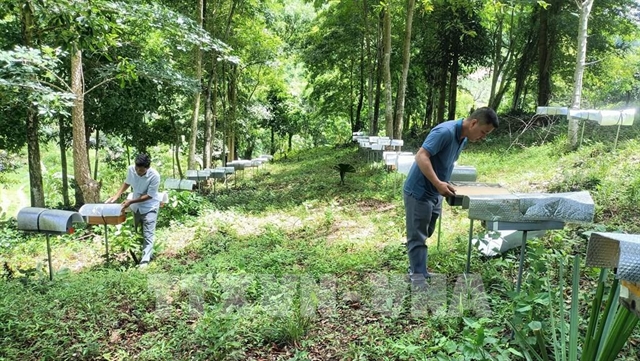
HÀ NỘI — Đà Nẵng is seeking to transform its agricultural sector from a supplier of raw materials into a technology-driven, market-oriented economy, with investment opportunities spanning concentrated production areas, deep processing, logistics and agricultural product distribution.
The city aims to shift from traditional agricultural production towards agricultural economic development, organising value chains and increasing the technological content and added value of products through closer links between production and processing.
Following administrative restructuring, Đà Nẵng has a broader production base, more diverse sources of raw materials and greater potential to connect agriculture with urban centres, tourism, services, science and technology, ports, airports and logistics networks.
These advantages align with the direction set out in Resolution No. 57-NQ/TW, which prioritises breakthroughs in science and technology, innovation and national digital transformation.
According to Hồ Quang Bửu, vice chairman of the Đà Nẵng People's Committee, the city's new development space offers investment opportunities across the entire agricultural value chain rather than production alone.
"What matters is not only that the city has more land, forests, sea areas, raw-material zones or distinctive products. Greater value lies in the ability to bring these resources into a shared development space encompassing urban areas, tourism, services, science and technology, seaports, airports, logistics and markets," Bửu said.
He said the city needed to move beyond exploiting natural resources and increasing output towards raising the value generated by each unit of resources, improving product quality, increasing added value and strengthening the competitiveness of agricultural goods.
Đà Nẵng has more than one million hectares of agricultural land and over 688,000ha of forest, according to Vũ Thị Bích Hậu, deputy director of the municipal Department of Agriculture and Environment.
The lowland areas have advantages in commercial farming, high-tech and organic agriculture, fruit cultivation and high-quality rice production. The midland and mountainous areas offer potential for concentrated livestock farming, forestry, medicinal plants and forest-based economic activities.
The livestock sector could develop biosecure production zones and integrated chains covering breeding, feed, farming, slaughtering, preservation and distribution. In mountainous areas, opportunities include raw-material production, non-timber forest products, medicinal plants grown under forest canopies and forestry processing linked to forest protection.
Hậu said raw materials should form the foundation of agricultural development, while processing, preservation, logistics and market access would turn those resources into competitive products.
Huỳnh Triều, a producer in Thăng Trường Commune with facilities including a solar power station, pig farm, plantation forest and biological mushroom production site, called for more incentives to attract investment in high-tech and concentrated agricultural production.
He proposed expanding green and circular-economy models, including organic farming, water-saving technologies, emissions reduction, agricultural by-product reuse, livestock waste treatment, organic fertiliser and biogas production, medicinal plants under forest canopies and clean energy.
"Green and circular economies, together with forest-based economic activities, are effective investment trends that support sustainable resource use," Triều said, calling for more favourable financing and technology mechanisms.
At the farm level, producers are also seeking practical support to adopt technology and expand commercial production.
Thái Nguyên Khoa, whose fruit orchard and pepper farm in Tiên Phước Commune generate an annual revenue of more than VNĐ300 million (US$11,600), said farmers and farm owners needed guidance on technologies suited to their production scale.
Technology should help producers address practical problems, reduce costs, improve product quality and secure stable outlets, enabling them to increase income per unit of land, he said. — BIZHUB/VNS