Collaboration, data transparency key to Việt Nam’s deeper global integration
Vietnamese businesses need to improve data transparency and adopt a more collaborative approach to working with overseas partners to integrate more deeply into global value chains.
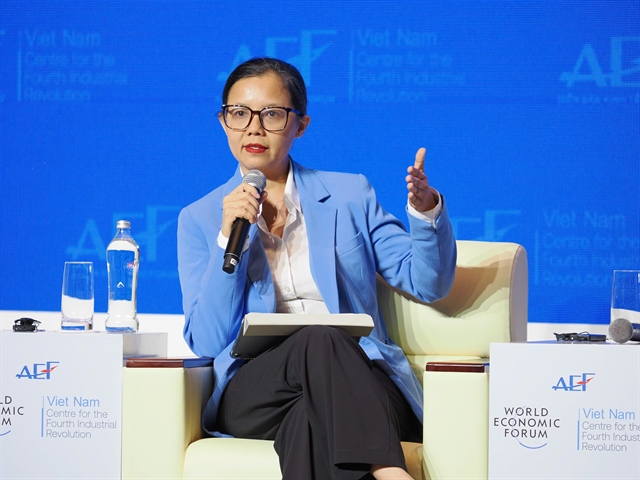
HCM CITY — Vietnamese businesses need to improve data transparency and adopt a more collaborative approach to working with overseas partners to integrate more deeply into global value chains, an expert has said.
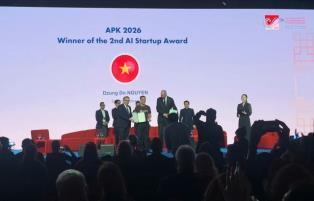
Nguyễn Dạ Quyên, co-lead of the Centre for Smart Manufacturing and Global Value Chains at the Vietnam Centre for the Fourth Industrial Revolution in HCM City (HCM C4IR), made the remarks at the Autumn Economic Forum (AEF) held in the city last week.
Việt Nam had signed 17 free trade agreements, reflecting its extensive integration into the global economy.
But considerable scope remaind for deeper participation in global supply networks, particularly in capital flows, data infrastructure, and the development of a skilled engineering workforce.
For every VNĐ100 worth of goods exported across all sectors, Việt Nam retained an average of only VNĐ28 in domestic value added.
To increase this share, the country needed strategies tailored for individual industries.
Global buyers increasingly favoured markets where businesses could jointly create value, collaborate on innovation and develop new solutions, and Vietnamese firms therefore needed to change their approach to international co-operation.
Data transparency was another important requirement for entering higher-tier global supply chains, and businesses should systematically record information on their supply chains, labour conditions, recycled materials, and energy consumption.
They could begin collecting this information themselves and make it readily available to international partners when required.
Existing policies provided a foundation for developing an ecosystem to support businesses, but shared infrastructure and services across industrial zones would help firms collect and consolidate the required data faster, facilitating their integration into global value chains.
Successful industrial restructuring and the adoption of smart manufacturing would substantially increase the economic value retained by the city and country.
Co-operation with the World Economic Forum gave HCM C4IR access to international frameworks for industrial transformation.
The centre and the city needed to adapt this knowledge and approach to local conditions and apply them in pilot programmes.
One example was Lumina, an artificial intelligence-powered platform for industrial transformation, based on the WEF's neutral approach, that helped small and medium-sized businesses assess their readiness for smart manufacturing.
The WEF's Global Lighthouse Network currently recognises 238 facilities worldwide as leaders in adopting fourth industrial revolution technologies, including two in Việt Nam.
To develop more such facilities in HCM City, experts call for greater investment in research and development, stronger specialised technical skills among local engineers, and closer collaboration between buyers and manufacturers to jointly develop innovative solutions.
HCM C4IR is a public service unit under the HCM City People's Committee, established as a joint initiative between the Vietnamese Government and the WEF to promote technology-driven, sustainable growth in the city and across the country. — VNS