VIFA ASEAN 2026 boosts regional furniture trade and market links
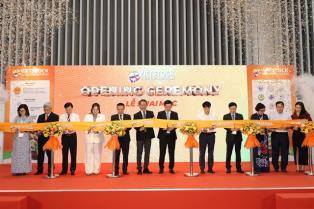
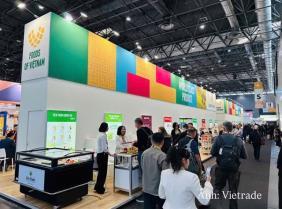
Nearly 200 domestic and international exhibitors are taking part in the fourth Vietnam ASEAN International Furniture & Home Accessories Fair (VIFA ASEAN 2026), which opened on September 2 at the Saigon Exhibition and Convention Centre in HCM City.
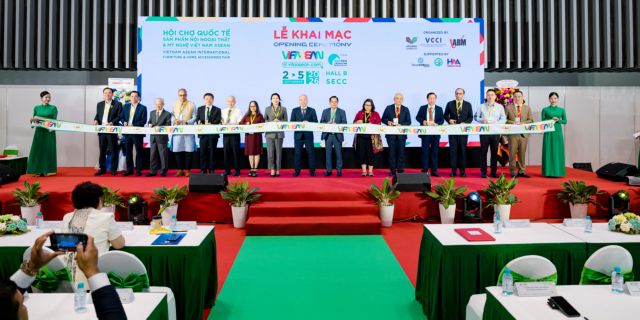
HCM CITY — Nearly 200 domestic and international exhibitors are taking part in the fourth Vietnam ASEAN International Furniture & Home Accessories Fair (VIFA ASEAN 2026), which opened on September 2 at the Saigon Exhibition and Convention Centre in HCM City.
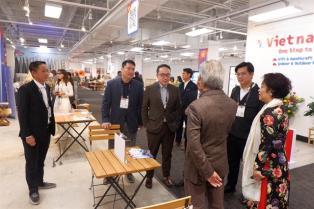
Held under the theme “Gathering the Best of Southeast Asian Furniture”, the fair runs until September 5 and features businesses from major Vietnamese production centres, including Hà Nội, HCM City, Hưng Yên, Ninh Bình, Khánh Hòa, Tây Ninh and Đồng Nai, as well as exhibitors from the US, Canada, China, India, Japan, South Korea, the Netherlands, Slovakia, Bangladesh, Singapore, Malaysia and Cambodia.
Products on display range from indoor and outdoor furniture for homes, offices, hotels, resorts and gardens to interior decoration, household goods, handicrafts, interior design and architecture, as well as machinery, equipment, raw materials and supporting services.
A series of industry seminars is also being held during the fair to provide market information, discuss emerging trends and strengthen links across design, manufacturing, import-export and e-commerce.
Speaking at the opening ceremony, Đặng Quốc Hùng, general director of Liên Minh VIFA Expo Company, one of the fair’s organisers, said despite the challenges facing the global economy, the participation of nearly 200 businesses, strategic partners and international organisations demonstrates VIFA ASEAN’s potential to become a reliable and promising trade hub for businesses in Việt Nam and Southeast Asia.
He added that the organisers aimed to develop the fair into a “common home” for suppliers and buyers and an important bridge connecting manufacturers with international markets.
Vũ Bá Phú, general director of the Vietnam Trade Promotion Agency, said VIFA ASEAN had established itself as a reputable annual trade event for the wood processing, furniture and handicraft industries in Việt Nam and Southeast Asia.
He noted that Vietnamese wood businesses were facing increasingly stringent requirements on quality, traceability and sustainability in major markets, alongside intense international competition, pressure to reduce carbon emissions and changes in tariff policies, including new reciprocal tariffs imposed by the US.
Many firms have invested in modern processing technologies, strengthening the management of legal timber supplies, promoting digital transformation and adopting internationally certified materials.
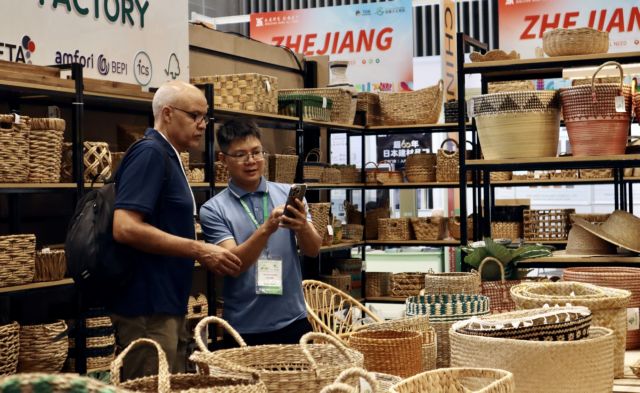
Phú also highlighted the potential of Việt Nam’s domestic market of more than 100 million people, saying it could provide an important buffer against volatility in international markets. Businesses should gain a better understanding of consumer preferences, follow design trends, develop products suited to domestic demand and strengthen their brands through both traditional and modern sales channels.
Meanwhile, Trần Ngọc Liêm, director of the Vietnam Chamber of Commerce and Industry’s HCM City Branch, said the wood and furniture industry had recorded impressive growth.
Wood and wood product exports exceeded US$17.2 billion in 2025, generating a trade surplus of more than $13.9 billion. In the first seven months of 2026, exports topped $10.2 billion, with a trade surplus of more than $8 billion.
However, Liêm said the key question for the industry’s next stage of development was how much value Vietnamese businesses could create and retain within global supply chains.
“International buyers are increasingly concerned not only about price and product quality, but also about design, innovation, material origins, traceability, environmental standards, sustainability, the ability to deliver on time and suppliers’ long-term operational capacity,” he said.
The industry therefore needs to shift from a competitive advantage rooted in manufacturing capacity to one built on value creation, he added.
“VIFA ASEAN is therefore not simply a place to display products. It is a platform where Vietnamese businesses can connect with ASEAN and international markets, buyers can find suppliers, designers can find manufacturing partners and Vietnamese products can enter international distribution networks,” he said. — VNS