Việt Nam, Malaysia explore potential for Halal supply chain cooperation
Malaysia sees significant potential for Việt Nam to integrate into the global Halal supply chain and is committed to strengthening trade cooperation and providing technical support to help Vietnamese businesses meet stringent Halal requirements.
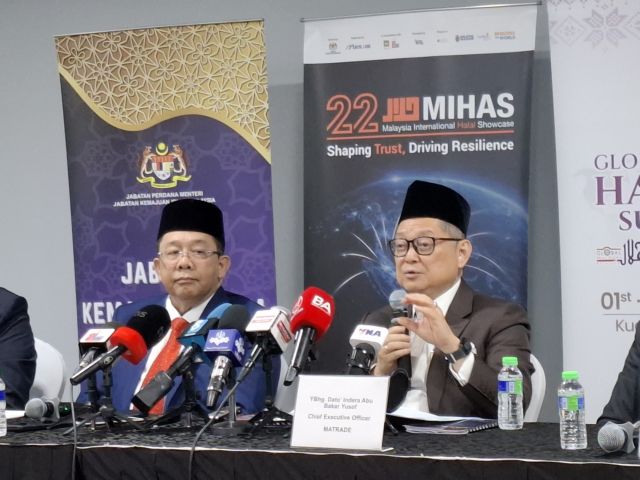
KUALA LUMPUR — Malaysia sees significant potential for Việt Nam to integrate into the global Halal supply chain and is committed to strengthening trade cooperation and providing technical support to help Vietnamese businesses meet stringent Halal requirements.
The assessment was shared by Abu Bakar Yusof, Chief Executive Officer of the Malaysia External Trade Development Corporation (Matrade), and Dr. Sirajuddin bin Suhaimee, Director General of the Department of Islamic Development (JAKIM), Malaysia’s Halal certification authority, in interviews with Vietnam News Agency (VNA) correspondents in Kuala Lumpur.
Yusof noted that Việt Nam has actively engaged in the Halal market over the past five years. Although the number of local businesses directly involved remains modest, at around 17, the country is actively developing its Halal industry while importing a range of Halal products from Malaysia to address domestic supply shortages.
Matrade has set up a representative office in HCM City to support Vietnamese businesses in exploring Halal partnerships and supplying products to the Malaysian market. It also hosts an annual “Buyer Connection” programme to connect Vietnamese businesses with local importers. Yusof shared hope that more Vietnamese companies will join in, helping to grow bilateral Halal trade.
Sirajuddin said JAKIM has maintained close cooperation with Vietnamese companies since 2000. Currently, five Halal certification bodies in Việt Nam are recognised by JAKIM, enabling local businesses to obtain certification for exports to Malaysia and other international markets.
He said Malaysia’s Halal certification enjoys global recognition for its emphasis on hygiene, quality and traceability. The certification process involves rigorous scrutiny of product ingredients, quarterly audits for medium-risk products and standards updates every five years to keep pace with new technologies.
JAKIM is also developing an AI-powered system, expected to be launched next year, to automate document verification and provide access to an ingredient database, helping streamline certification procedures and eliminating the need to repeatedly certify individual ingredients.
With the global Halal market projected to reach US$5 trillion by 2030, Việt Nam’s efforts to strengthen production capacity and comply with stringent standards will be key to deeper integration into global Halal value chains.
Malaysia is preparing a series of international Halal events, including the Global Halal Summit (GHaS) and the Malaysia International Halal Showcase (MIHAS), offering expanded opportunities for regional partners, including Vietnam.
At MIHAS 2026, Malaysia aims to increase expected sales from $1.1 billion to $1.25 billion. The 22nd edition is expected to feature 2,400 booths from at least 45 countries and facilitate around 4,000 B2B meetings between 600 Malaysian companies and 300 international buyers. — VNA/VNS