Việt Nam improves plant production regulations to facilitate exports
Việt Nam is accelerating efforts to improve its legal framework on crop production and plant protection, which is critical to removing bottlenecks in exports and enhancing the competitiveness of farm products, as overseas markets are tightening technical, traceability and biosecurity requirements.
HÀ NỘI — Việt Nam is accelerating efforts to improve its legal framework on crop production and plant protection, which is critical to removing bottlenecks in exports and enhancing the competitiveness of farm products, as overseas markets are tightening technical, traceability and biosecurity requirements.
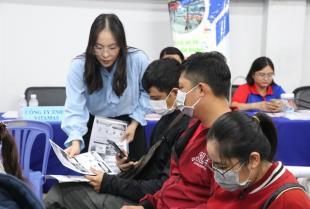
Deputy Director of the Plant Production and Protection Department under the Ministry of Agriculture and Environment Nghiêm Quang Tuấn said at a department conference this week that revising the existing legal documents is critical to define responsibilities, avoid overlaps and create favourable conditions for businesses.
Ensuring uniform implementation from central to local levels is essential to prevent disruption to plant production and exports, he said.
In terms of the legal basis for the measures, Tuấn noted that on December 1, 2025, the National Assembly passed Law 146/2025/QH15 amending and supplementing 15 laws in agriculture and environment, including the Law on Crop Production and the Law on Plant Protection and Quarantine.
After the law was passed, the Government issued Decree 33/2026/NĐ-CP and Decree 38/2026/NĐ-CP introducing new provisions related to the import of plants with soil, and the management of planting area codes and packing facilities.
On January 23, the ministry issued Circular 07/2026/TT-BNNMT providing detailed guidance for implementing these laws and decrees.
Revisions to regulations on planting area codes and packing facilities were not intended to tighten control over production but to reduce fragmentation, improve management efficiency and meet rising import market standards, Tuấn said.
He added that this also help enhance the competitiveness and protect the reputation of Việt Nam’s agricultural products.
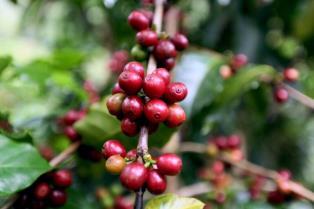
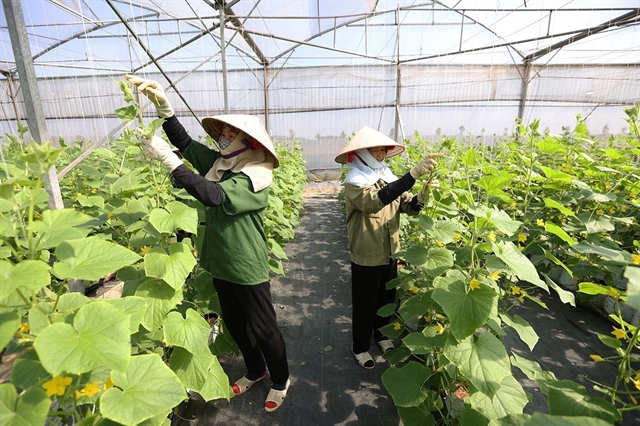
For exports, both planting areas and packing facilities must be approved by trading partners, making inspection and supervision not only a domestic legal requirement, but also a key factor in protecting Vietnamese farm products.
Vũ Thắng from the Fertiliser Management Department said that current regulations clearly distinguish fertilisers that require testing from those that do not.
Products with well-defined compositions that have been used to good effect and pose no environmental or food safety risks are exempt from testing, while those with potential negative impacts must undergo trials before circulation, he said. The list of fertilisers exempt from testing has been gradually expanded.
Phạm Thị Xuân from the Department of International Integration and Communication said that detailed guidance on planting area coordinates would be issued soon to support management, supervision and digital transformation.
She added that farmers would be allowed to combine planting plots to meet the minimum area requirements.
The Plant Production and Protection Department said that they would continue reviewing and improving legal documents to make them clearer and easier to apply, strengthen decentralisation with post-inspection oversight and work closely with localities and businesses to resolve difficulties, aiming to boost agricultural exports more sustainably, transparently and efficiently. — VNS