Việt Nam has five Halal certification bodies recognised by Malaysia
Việt Nam ranks third in terms of the number of approved Halal certification bodies, behind Australia and Japan.
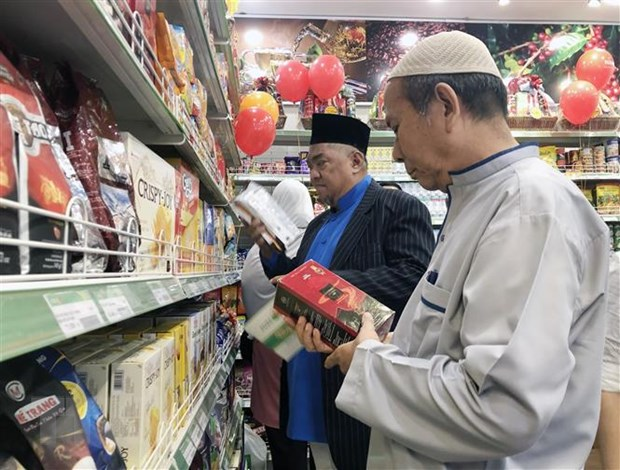
HÀ NỘI — The Department of Islamic Development Malaysia (JAKIM) has recognised five Vietnamese Halal certification bodies and companies among 96 entities from 49 countries worldwide, said Phùng Văn Thành, trade counsellor at the Vietnam Trade Office in Malaysia.
Five Vietnamese entities were on JAKIM’s list of recognised certification bodies as of August 21 this year including the Halal Certification Agency (HCA), Vietnam Halal Company Limited (HVN), Vietnam National Halal Company Limited (VNH), Halal Certification And Assessment Company Limited (VINAHIC), and Global Halal Certification Company Limited (GHC).
These entities are headquartered in Hà Nội and HCM City, with branches in Cần Thơ.
With five recognised entities, Việt Nam ranks third in terms of the number of approved Halal certification bodies, behind Australia and Japan. Their recognition is expected to make it easier for Vietnamese businesses to export Halal-certified products and services to Malaysia.
Applying for assessment and certification through domestic organisations is expected to save businesses considerable time and costs compared with applying directly to JAKIM.
Halal certification serves as a mandatory 'passport' for consumer products targeting Malaysia’s Muslim market. The Halal label guarantees that food products are manufactured, processed and distributed in compliance with strict Islamic principles and requirements for health standards. JAKIM’s recognition allows approved entities to certify products for Halal labeling on packaging or display certification signs at production facilities.
In addition to directly certifying products and services, JAKIM works with organisations and companies worldwide to certify products and services from local businesses in their respective countries, or to recognise the competence and capacity of foreign entities to issue Halal certificates.
Obtaining JAKIM Halal certification requires strict compliance throughout the entire production process, from raw material selection and processing to storage, packaging, transportation and consumption. Applicants must also maintain dedicated Halal officers and ensure that personnel receive proper training.
“Using domestic assessment bodies enables Vietnamese businesses to complete certification procedures more conveniently and significantly reduce travel and accommodation costs for assessment experts,” Thành said, as quoted by the VnEconomy online newspaper.
Strengthening domestic Halal certification capacity will provide an important foundation for Vietnamese businesses to lower costs, shorten customs clearance times and improve competitiveness in this promising market. — VNS