Việt Nam eyes silver economy development amid rapid population ageing
The elderly is not a burden, but a precious resource for the country’s development. Population aging should no longer be seen as a risk or challenge but as a new driver, opportunity and resource for development.
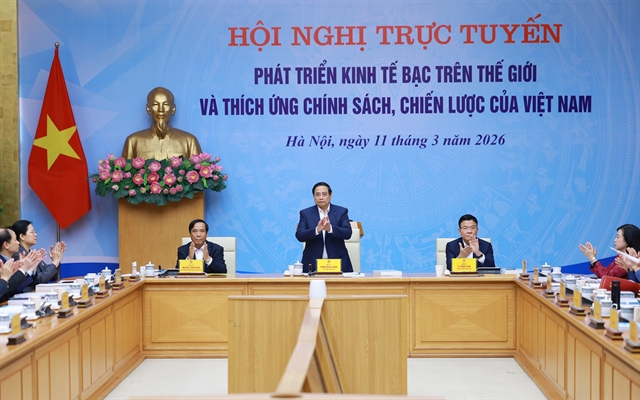
HÀ NỘI — Prime Minister Phạm Minh Chính has called for stronger policies to develop the silver economy, saying Việt Nam should turn rapid population ageing into a new engine for economic growth rather than viewing it as a burden.
Speaking at an online conference on the silver economy on Wednesday, jointly organised by the Vietnam Association of the Elderly and the Ministry of Health, the Prime Minister stressed that older people remain a valuable resource for national development.
“The elderly is not a burden, but a precious resource for the country’s development. Population ageing should no longer be seen as a risk or challenge but as a new driver, opportunity and resource for development,” the PM said, describing older citizens as “living dictionaries”, a “treasure of wisdom” and a “golden generation” holding valuable traditions, management experience, production skills and creative knowledge.
Việt Nam has been in the ageing population phase since 2011, with the proportion of older citizens rising rapidly. The country had about 14.2 million people aged 60 and above in 2024 and the figure is forecast to approach 18 million by 2030.
The demographic shift means the silver economy, referring to economic activities and services catering to older people while harnessing their contributions, is becoming an inevitable development trend, the Prime Minister said.
At the conference, participants discussed global trends in the silver economy and proposed policy adjustments for Việt Nam, including expanding health care services for the elderly, developing specialised consumer services and creating solutions to better mobilise the knowledge and experience of senior citizens.
The Prime Minister said many countries have begun to treat ageing populations as an opportunity for sustainable growth, with policies aimed at improving the quality of life for seniors, adjusting retirement ages and encouraging businesses to invest in markets serving older people.
In Việt Nam, the Government has already taken steps to respond to demographic ageing, including gradually increasing the retirement age and launching programmes encouraging senior citizens to take part in digital transformation, green transition initiatives and entrepreneurship.
The Prime Minister stressed that elderly people should be both beneficiaries and contributors to the silver economy, with a shift in perception from retirees as dependents to active participants in economic and social development.
He also pointed to several shortcomings in developing Việt Nam’s silver economy, including the lack of a comprehensive policy framework and the weak care system for senior citizens. The economic role of the elderly as a labour force, consumers and contributors to innovation has yet to be fully tapped.
The Prime Minister said the shortcomings partly stem from the fact that Việt Nam is ageing rapidly before reaching high-income status and before building a comprehensive ecosystem of services for senior citizens.
Priorities

Closing the conference, Prime Minister Chính outlined five priorities for developing the silver economy.
These include raising awareness about population ageing, developing a comprehensive health care ecosystem for older people, encouraging businesses to expand services such as wellness tourism, age-friendly housing, medical technology and retirement insurance, promoting the social role of the elderly in areas such as traditional education, advisory work and family economies, and strengthening the role of the Vietnam Association of the Elderly.
PM Chính also highlighted three pillars for developing the silver economy, including placing older people at the centre as both participants and beneficiaries of the silver economy, encouraging businesses to drive innovation and service delivery while ensuring socially responsible and age-friendly workplaces and positioning the Government’s role in developing legal frameworks and incentives to support the sector.
Ministries and local authorities were tasked with improving regulations, mobilising resources and investing in infrastructure to support the development of the silver economy while promoting lifelong learning and greater social participation among older citizens.
Population ageing is an inevitable development trend, the Government leader said, adding that Việt Nam must respond with the right mindset, appropriate policies and decisive action to transform demographic change into a new driver of growth, innovation and sustainable development.
Under an action programme implementing the resolution of the 14th National Party Congress of the Communist Party of Việt Nam, the Party Central Committee’s Commission for Policies and Strategies has been tasked with drafting a national project on silver economy development in Việt Nam, aiming to enhance the welfare and quality of life of elderly people while tapping their contributions to socio-economic development, the Prime Minister said.
The Government has also issued the National Strategy for the Elderly until 2035. Most recently, Resolution No.36/NQ-CP introduced measures to promote high-quality health care services, a core pillar of the silver economy. — VNS