



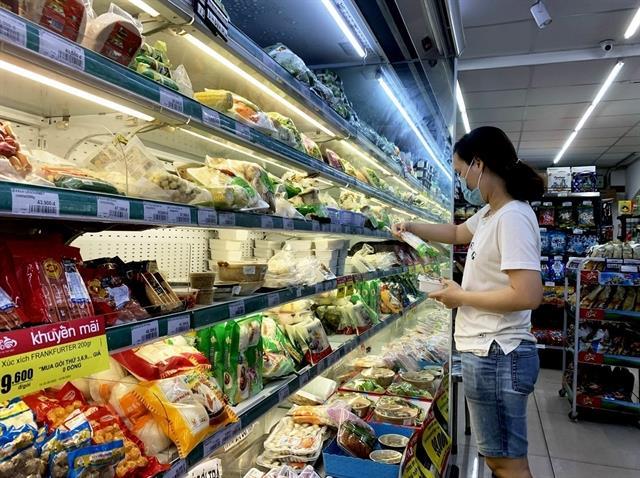
Inflation in 2026 is forecast to edge up to 3.5 per cent, still below the National Assembly’s target, though double-digit growth and exchange rate pressures will demand cautious policies, experts said in Hà Nội on Monday.
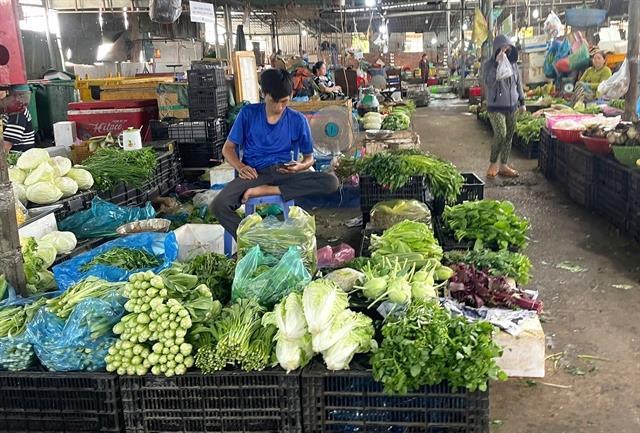
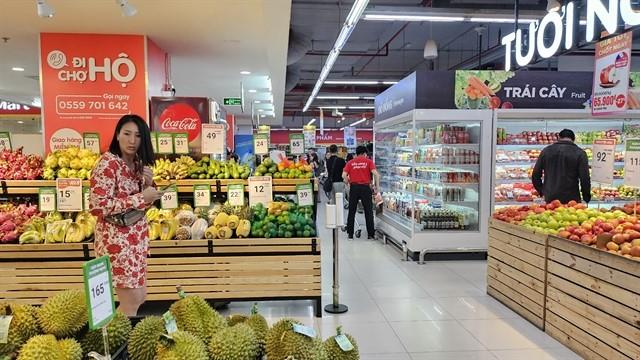
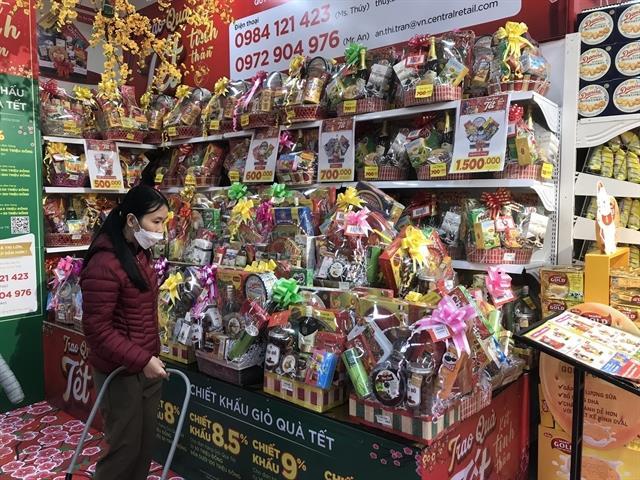
The Ministry of Finance has asked price management to be enhanced ahead Tết (Lunar New Yeat) to prevent abnormal fluctuations during the peak holiday period.
Such factors as adjusted healthcare fees, and higher transportation costs and food prices led to a 0.98 per cent rise in the Consumer Price Index (CPI) in January.
Ministries and sectors need to keep a close watch on the market developments, and roll out measures to ensure domestic supply-demand balance and stabilise prices.
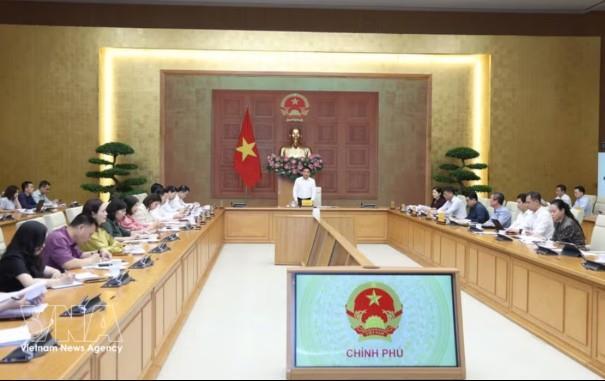
As Tết (Lunar New Year) holidays are coming near, Deputy PM Khái urges enhanced price management to ensure adequate supply of goods and services as well as stabilising prices.
The instability and uncertainty of the global economy was at the highest level in many years, which were significantly affecting the macroeconomic stability and growth prospects of Việt Nam.
Close watch must be placed on the global economic and inflation developments as well as the impacts on Viet Nam and the supply and demand in the domestic market to timely raise solutions to prevent unreasonable price increases.
Higher exports and consumption demand led by the across-the-board economic recovery, coupled with a global inflationary pressure, have pushed up the prices of basic neccessities.
To stabilise the oil and gas prices and reduce the burden of rising input costs for enterprises, the Government should take into account the reduction of some kinds of taxes and fees imposed on the products.
Deputy Prime Minister Le Minh Khai has asked ministries, agencies and localities to closely monitor market developments and to be cautious, flexible and active in price management in order to stabilise price levels and promote economic growth.