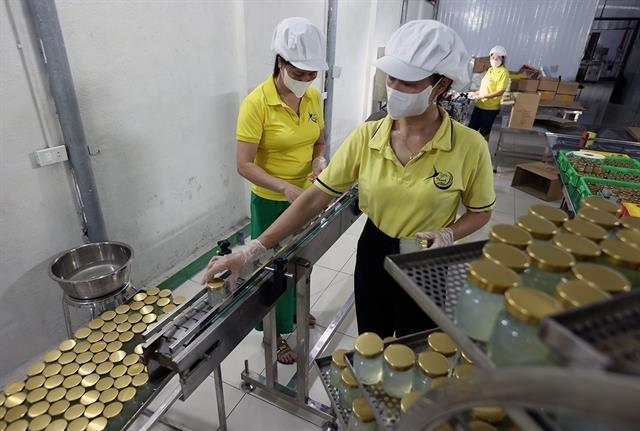


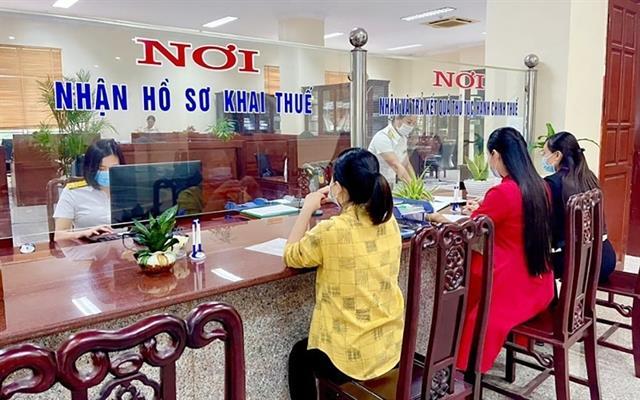
Individuals and businesses with annual revenue of no more than VNĐ10 billion (US$380,000) in 2026 and 2027 will be given a tax reduction of 30 per cent.
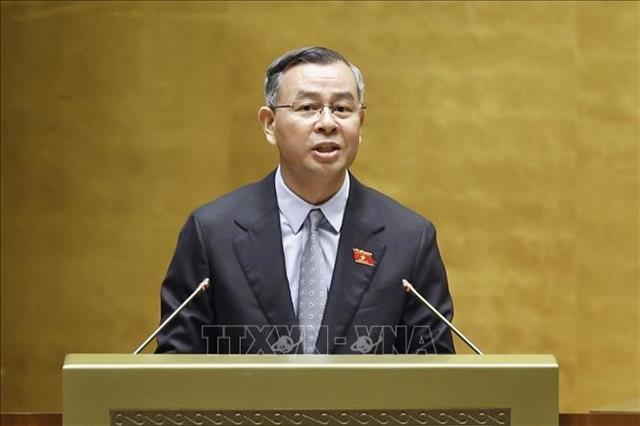
Thắng said the measure would initially reduce State revenue, but the lost revenue could be recovered in the longer term as household businesses and enterprises expand.
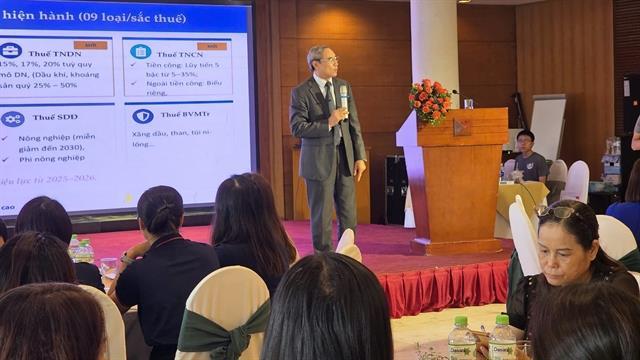
As tax policies change and tax administration becomes increasingly modern with greater application of digital technologies, businesses need to proactively new policies while standardising accounting books and supporting documents from within the enterprise.
Việt Nam’s new upper-middle-income status marks an important milestone in its development journey, but sustaining growth and achieving high-income status by 2045 will require stronger reforms, greater productivity and more innovation, according to the World Bank.
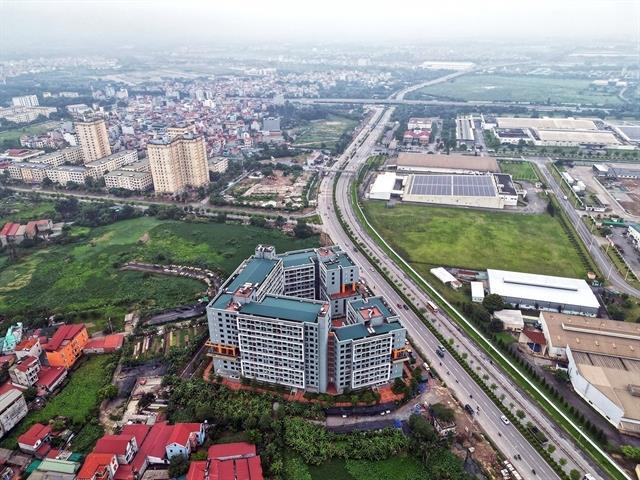
Thường Tín Commune tops the list with 10 projects, followed by Ô Diên Commune with seven projects and Phúc Thịnh Commune, Tây Phương Commune, Tây Tựu Ward and Đại Mỗ Ward with six projects each.
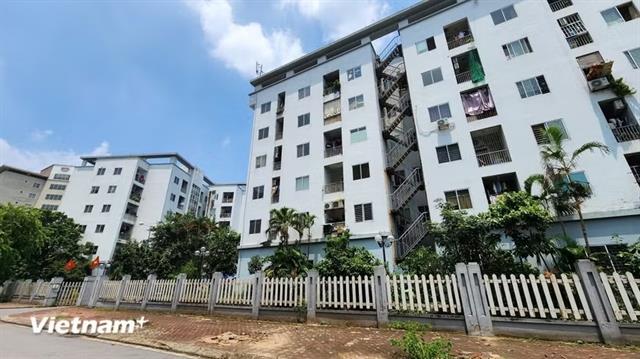
Hà Nội has allowed residents who already own homes to buy or lease-to-purchase social housing apartments if their current residence is more than 20km from their workplace.
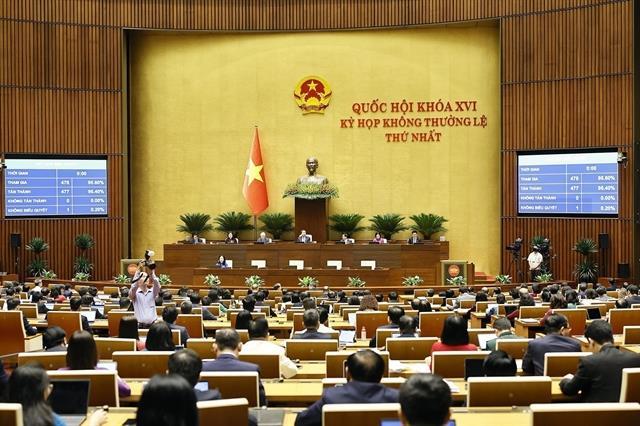
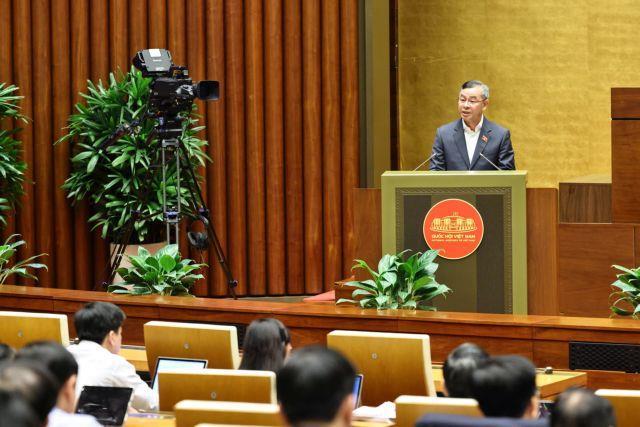
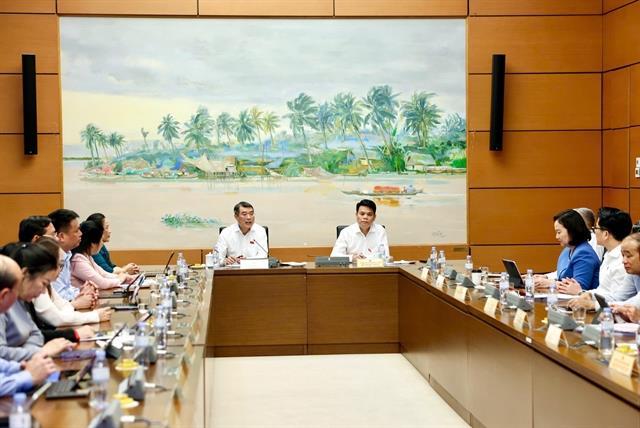
Lawmakers back raising the tax-free threshold for household businesses to VNĐ1 billion, while calling for clearer rules, safeguards against abuse and greater policy transparency.
Under the draft law, the Ministry of Finance proposes that the tax exemption threshold for business households and individual businesses be raised to VNĐ1 billion per year from the current VNĐ500 million.
Việt Nam is seeking public feedback on a draft decree expanding personal income tax exemptions to spur innovation, attract talent and drive long-term economic transformation.
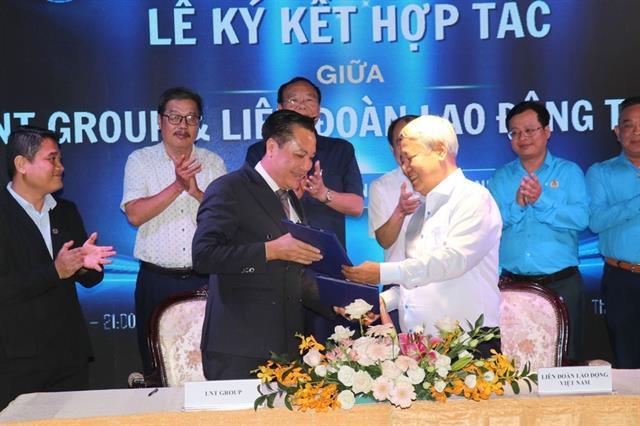
The HCM City Labour Federation has partnered with a private developer to build 30,000 social housing units for workers by 2030, in an effort to address the growing demand for affordable housing among low-income labourers in the city.
New small and medium-sized enterprises (SMEs) are exempted from corporate income tax (CIT) for their first three years of operation under a new Government decree which aims at promoting the development of the private sector.
Under the amended Law on Personnal Income Tax, the personal deduction will rise to VNĐ15.5 million (US$590) per month from VNĐ11 million at present. Taxpayers are also entitled to mandatory insurance deductions and contributions to charity and humanitarian funds.
A CIT rate of 15 per cent applies to enterprises with a total revenue in the preceding year of not more than VNĐ3 billion (US$114,000), while a CIT rate of 17 per cent applies to enterprises with a total revenue in the...