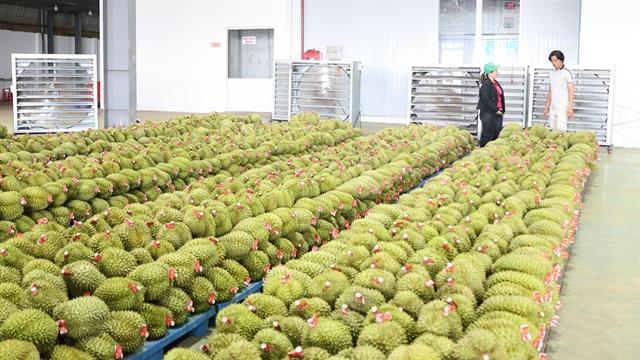
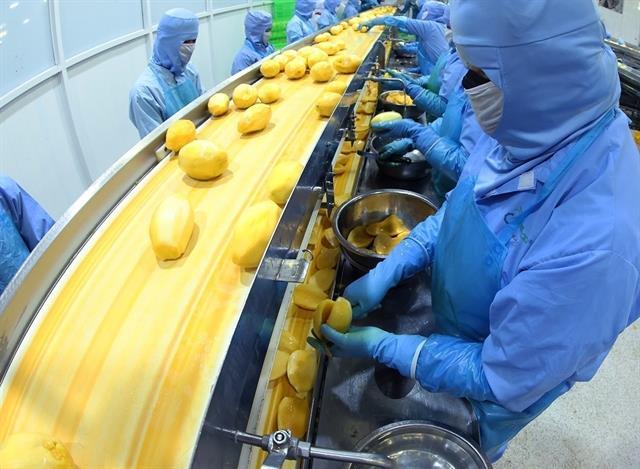
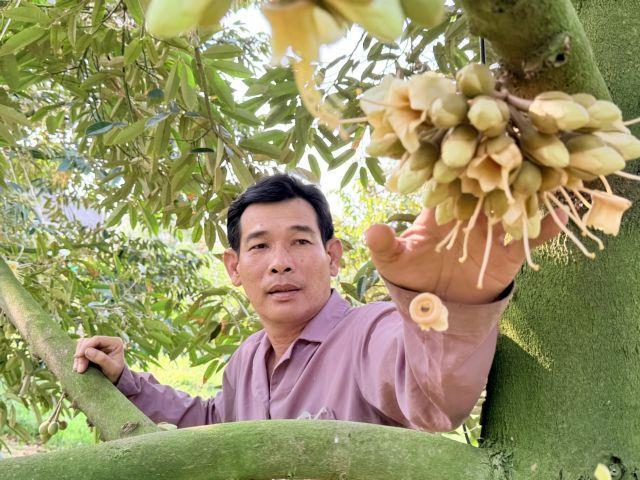
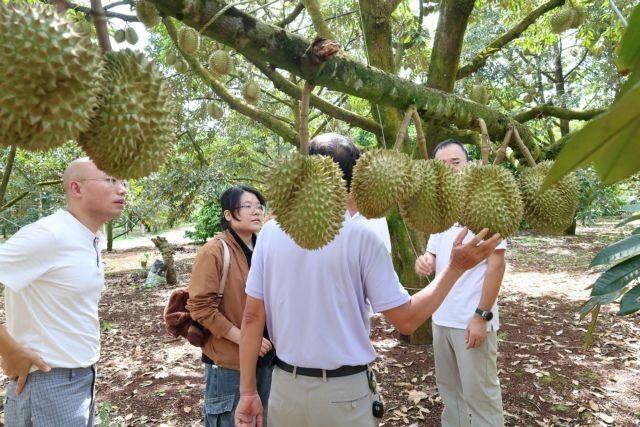
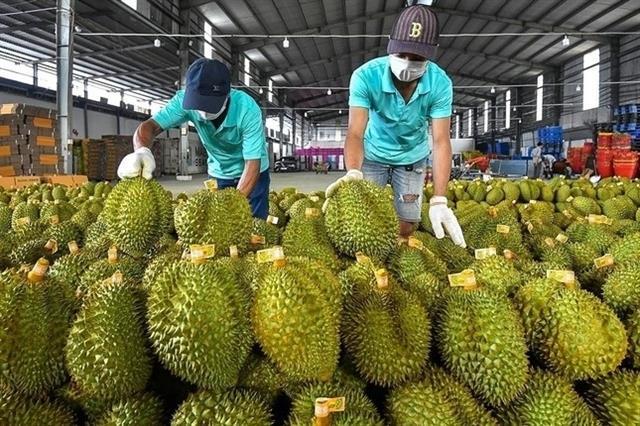
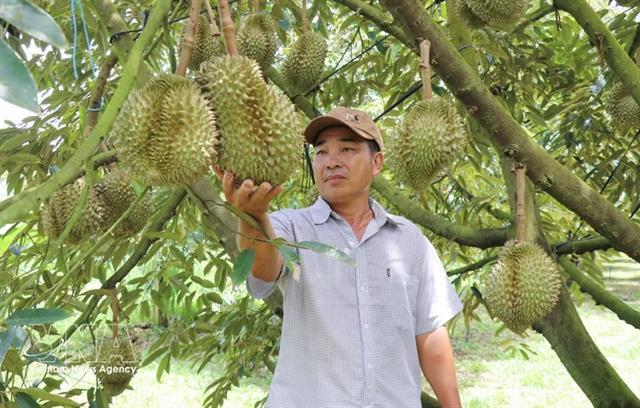
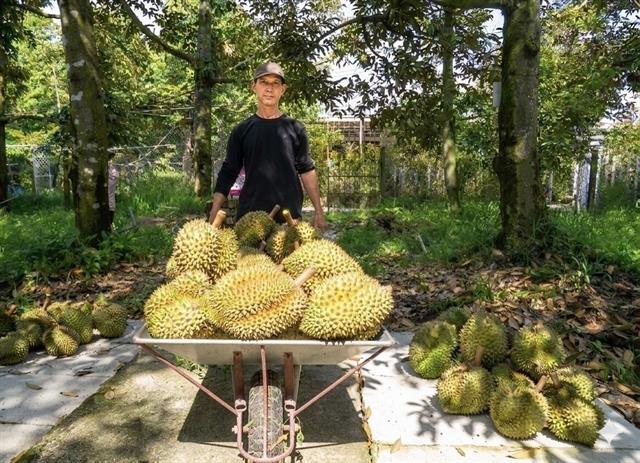
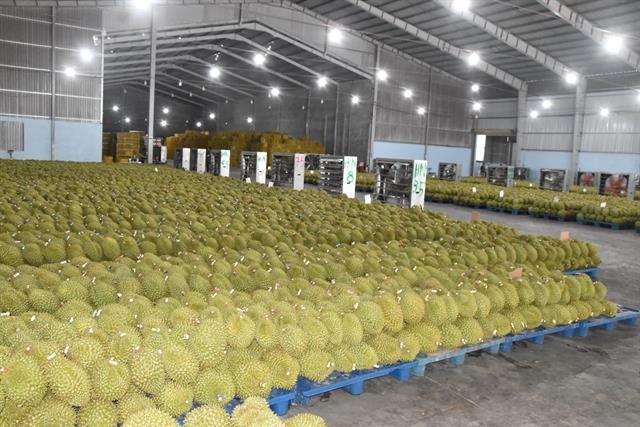
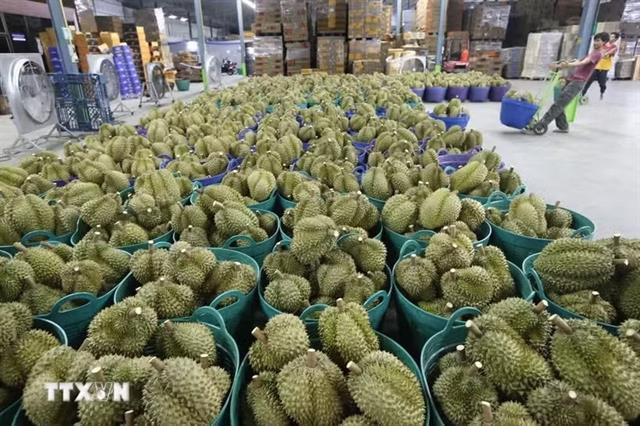
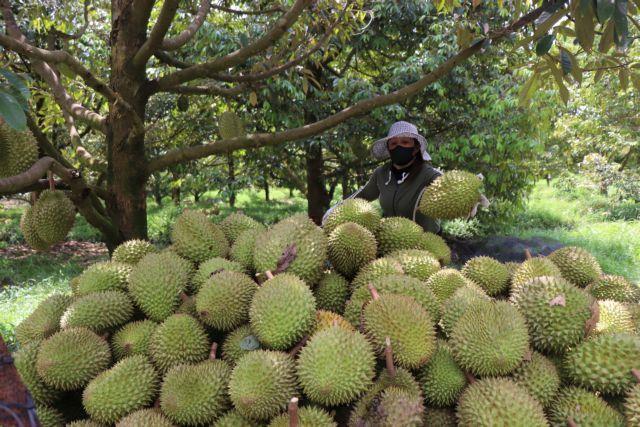
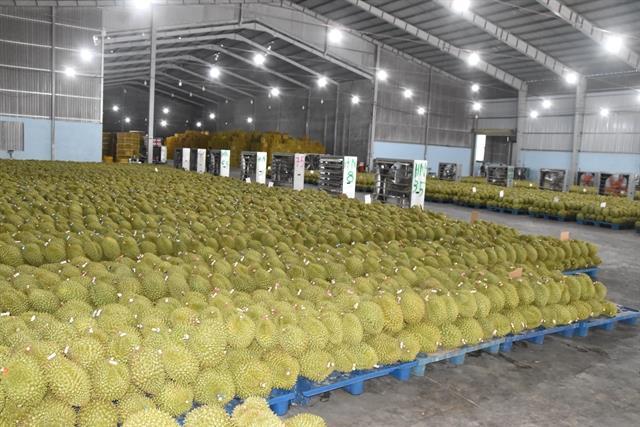
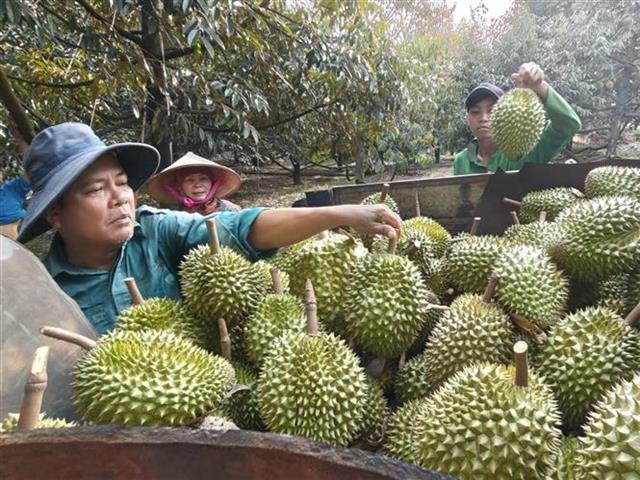
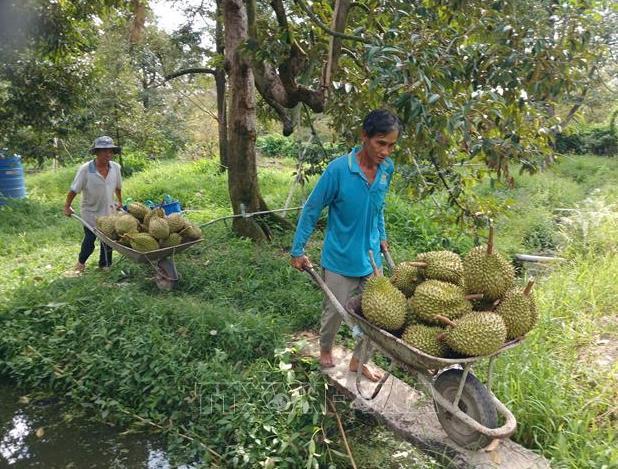
The country is entering the peak harvest season for major fruits including durian, lychee, mango and coconut, with abundant supplies expected to support export growth in the second and third quarters.
India is set to ease export requirements by removing special import conditions and extra phytosanitary declarations for fresh Vietnamese durian, allowing the product to enter the market more smoothly.
The Ministry of Agriculture and Environment has ordered urgent measures to address testing bottlenecks affecting durian exports, as stricter inspections for residues continue to disrupt shipments and pressure growers and exporters.
Residue issues are no longer just technical standards but have become barriers directly affecting brand reputation and the ability of farmers, cooperatives and enterprises to scale up operations.
Under the “green lane” process, quality control starts at cultivation – including soil monitoring – and continues through harvesting and processing, with traceability labels applied from trees to fruit at picking.
Vietnamese durian is still experiencing strong growth despite facing technical barriers from China, thanks to improved quality and competitive pricing.
Việt Nam currently has 24 laboratories recognised by China’s General Administration of Customs (GACC) for durian testing, with a combined capacity of around 3,200 samples per day, sufficient to meet current demand.
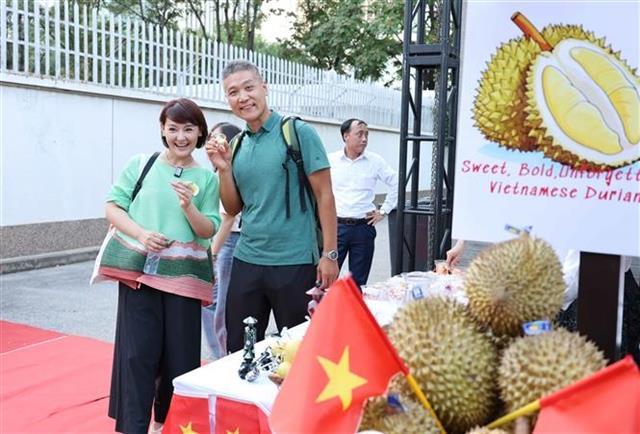
Việt Nam showcased durian and related products at the first-ever ASEAN–China Durian Festival held in Beijing on August 9 by the ASEAN–China Centre (ACC) and the embassies of ASEAN member states.
The surge was attributed to the signing of a protocol in August last year, which allowed Việt Nam to export frozen durian to China and the efforts to increase investment in processing and diversify products.
The General Department of Customs has sent a document asking regional offices to facilitate the clearance of agricultural exports, especially perishable products such as durian.
Việt Nam’s durian exports to China hit just 35,000 tonnes (US$130 million) in the first four months, only 20 per cent of the target, down from $500 million year-on-year.