

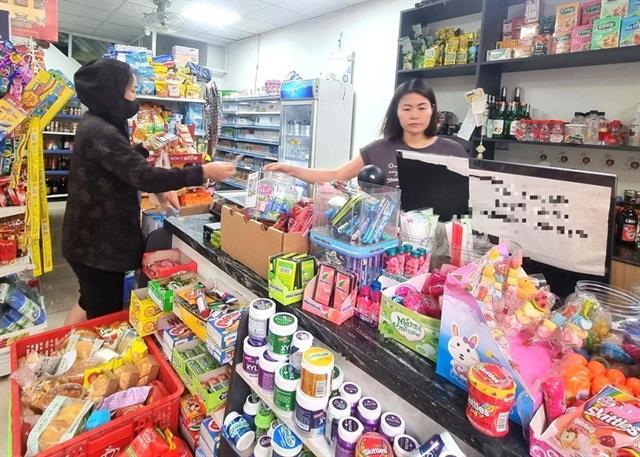

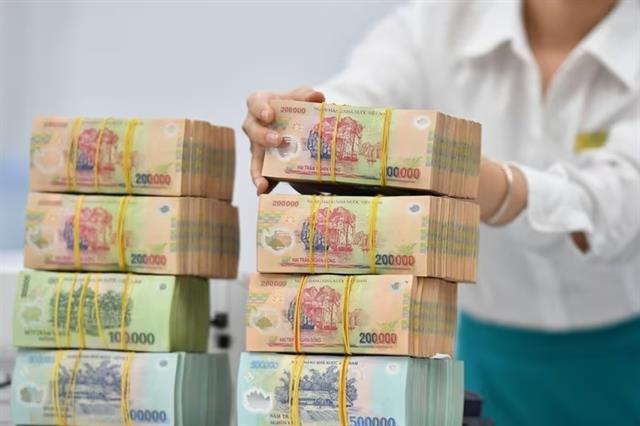
Under Decree No. 141/2026/NĐ-CP, the household businesses with annual revenue of VNĐ1 billion or less will not have to pay personal income tax and value-added tax.
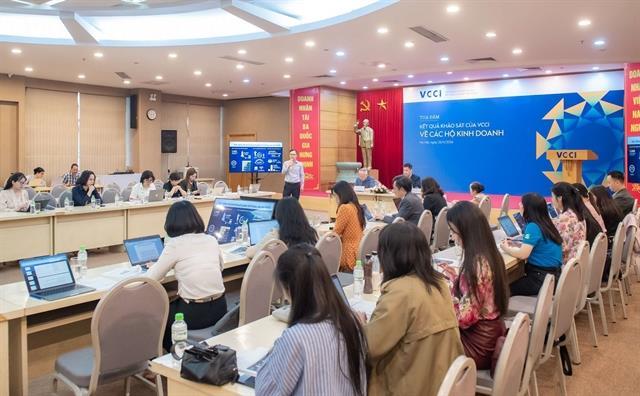
The survey, conducted between February and April 2026 with more than 1,000 household businesses across 34 provinces and cities, paints a far from optimistic picture.
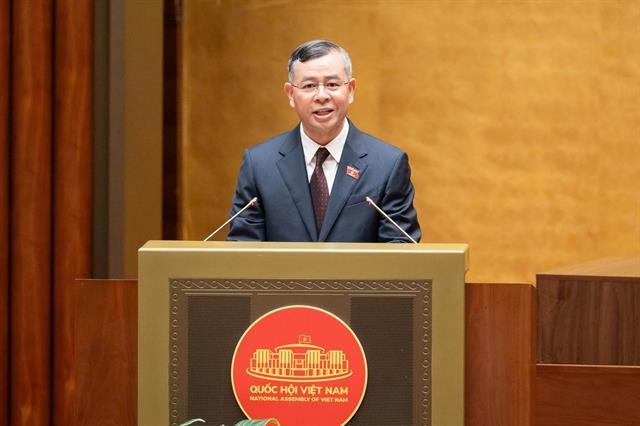
The revised law, which amends provisions in personal income tax, value-added tax, corporate income tax and special consumption tax legislation, was passed with 466 out of 488 participating deputies voting in favour.
The Ministry of Finance has proposed new regulations on taxable revenue thresholds for household businesses after just four months the new policy took effect.
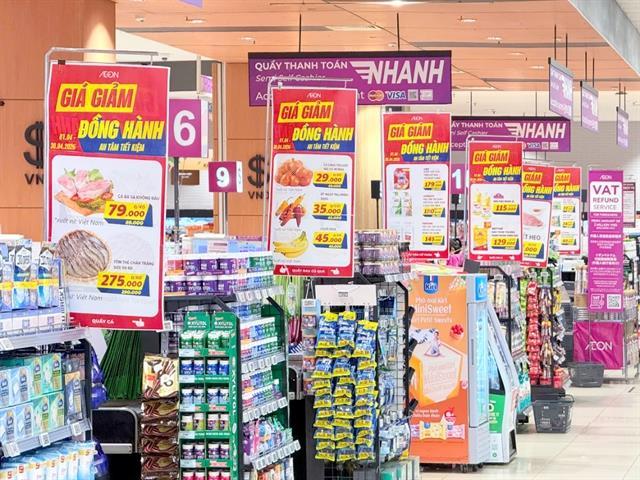
Amid recent fluctuations in fuel prices, which have increased pressure on daily living expenses, AEON Vietnam is implementing the “Stable Price – Supporting Household Budget” campaign throughout April 2026.
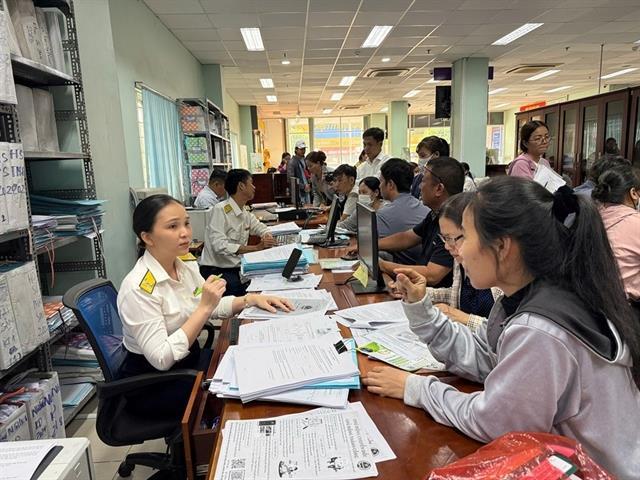
Tax authorities will run an intensive information and support campaign to guide small businesses in implementing the policies, including filing and paying taxes under the principle of self-declaration and self-payment.
Domestic revenue, excluding crude oil, contributed more than VNĐ1.72 quadrillion, exceeding the estimate by 3.31 per cent, while revenue from import-export reached VNĐ249.22 trillion, exceeding the estimate by 6.05 per cent after deducting VAT refunds.
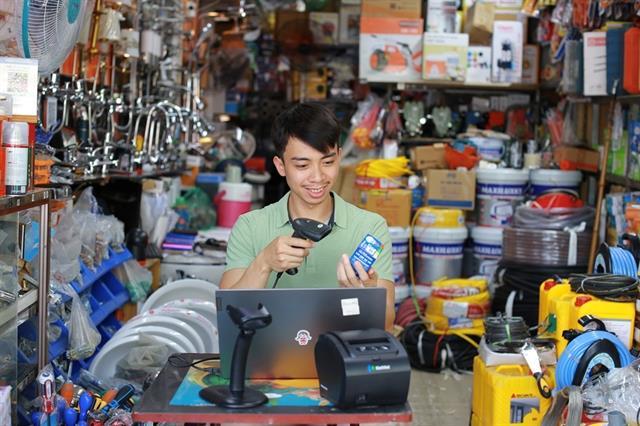
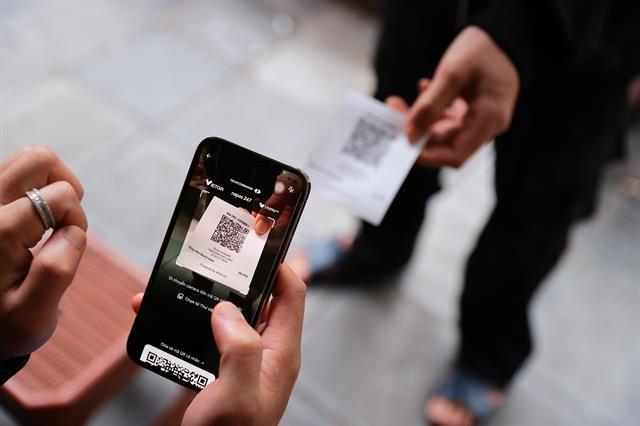
From grocery store owners to rural traders, many small business operators — once hesitant about adopting technology — are now actively using digital financial services to manage transactions, reduce costs and improve efficiency.
The Vietnam Trade Office in Spain said that the country has implemented various policies to promote the production and consumption of biodegradable plastics and reduce single-use plastic waste.
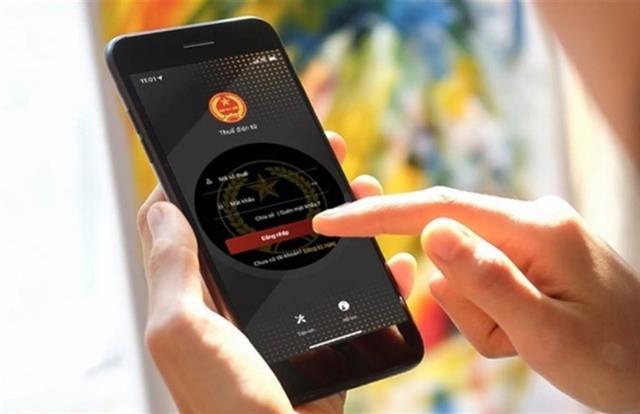
The tax authority is piloting the use of digital identity accounts for organisations to access e-tax services, with a nationwide rollout expected before July 2025.
Domestic tax revenue from goods and services in the first five months increased by 18.3 per cent over the same period last year. This is a fairly high increase, reflecting the positive recovery of production and business activities.
Besides building a database of business households to effectively manage the business sector, the project will also popularise and improve the capacity of business households on the environment food safety and hygiene and management, accounting and financial capacity.
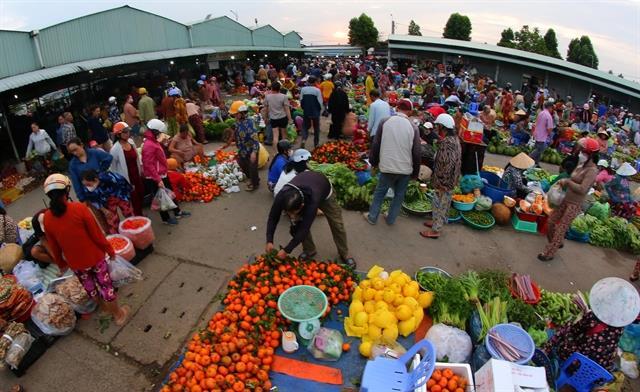
The average Vietnamese household will spend 20.8 per cent of their total household budget on food in 2025, marginally increasing from 20.1 per cent in 2005, according to global financial services provider Fitch Solutions.
The HCM City Tax Department said it has waived or reduced taxes worth VND123 billion (US$5.37 million) for 86,197 household businesses affected by the COVID-19 epidemic.