Việt Nam is projected to import an additional 6 million tonnes of corn and 1.7 million tonnes of soybean meal by 2034, representing 7 per cent of global corn imports and 9 per cent of global soybean meal imports.
The Government''s Decree 144/2024/NĐ-CP setting a preferential import tax rate for soybean meal (commodity code 23040090) has reduced this tax from 2 per cent to 1 per cent, creating better conditions for the enterprises to maintain production.
FiT was introduced to support early development of renewable energy sources by providing a guaranteed, above-market price for producers to sell energy back to the grid.
The ministry stated that current preferential import tax rates on raw materials for animal feed are low enough to promote domestic industry growth and decrease reliance on imported materials.
In response to the proposal, Deputy Prime Minister Le Minh Khai instructed the Ministry of Finance to work with relevant ministries and branches to study and consider the association''s recommendations and submit them for consideration and decision following the law.
The 2.6ha-plant, expected to cost US$23.6 million, will produce 126,000 tonnes of fish and shrimp feed products annually, baodautu has reported. The plant''s first phase is slated for completion in May 2024.
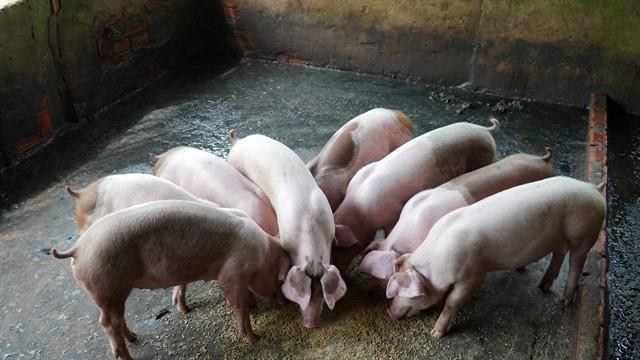
Pig farmers in southern of Viet Nam are potentially facing huge losses before Tet (Lunar New Year) as pork prices have plummeted by 15- 20 per cent in the last two months.
Increasing domestic supply of raw materials is among the highest priorities for the development of Viet Nam''s livestock feed industry in the future, said policymakers and industry experts.
Viet Nam''s imports of raw materials for processing animal feed in the first seven months of this year surged to US$3.1 billion as domestic supply only met about one-third of local demand.
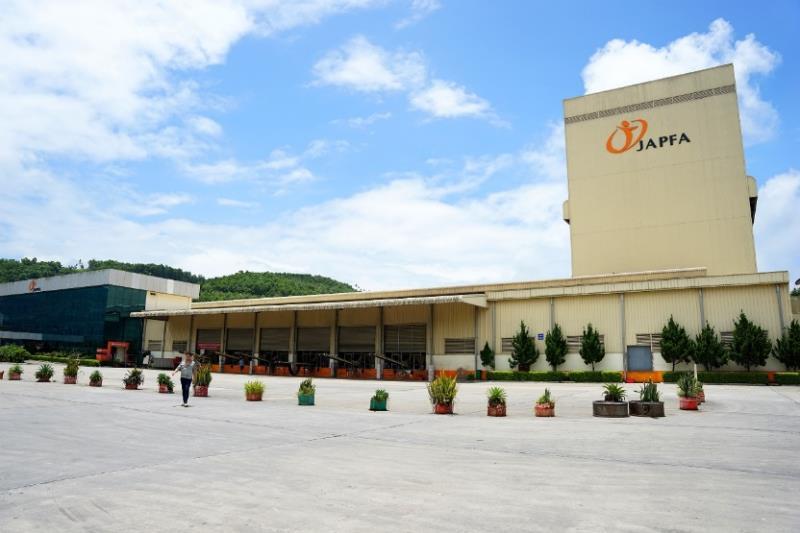
Japfa Comfeed Vietnam Ltd., (Japfa Vietnam), a leading animal feed producer in the market, is running a system of six modern plants across the country.