SOEs unwind years of diversification in restructuring drive
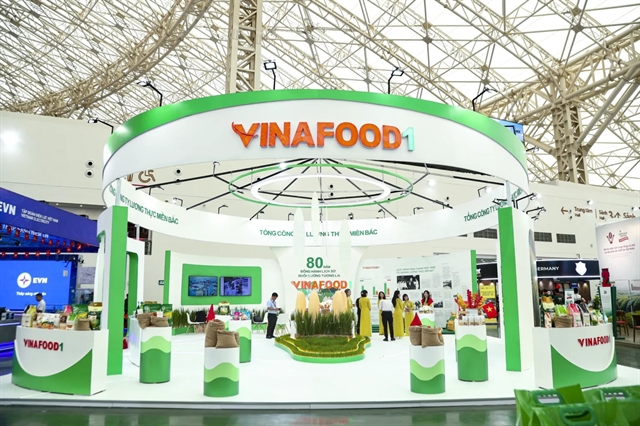
Among the companies under pressure is the Hà Nội-based Vietnam Northern Food Corporation (Vinafood 1), which has been ordered to divest investments in 14 subsidiaries and affiliates and reduce stakes in several others under a restructuring plan approved by the prime minister in late 2023.
HÀ NỘI — State-owned enterprises (SOE) are unwinding years of diversified investments through a sweeping restructuring drive that includes divesting non-core assets, streamlining operations and refocusing on their core businesses.
Among the companies undergoing restructuring is the Hà Nội-based Vietnam Northern Food Corporation (Vinafood 1), which has been ordered to divest investments in 14 subsidiaries and affiliates and reduce stakes in several others under a restructuring plan approved by the Prime Minister in late 2023.
The plan requires Vinafood 1 to divest non-core businesses and reduce its stakes in several food-processing companies by the end of 2025, in line with the Government's roadmap.
The restructuring aims to strengthen the company's focus on the rice sector, improve State capital efficiency and support national food security.
Vinafood 1's financial performance has improved since the restructuring began.
Consolidated revenue rose to more than VNĐ25.5 trillion (US$977 million) in 2024, up nearly VNĐ5 trillion from a year earlier, while after-tax profit increased about 28 per cent to more than VNĐ306 billion.
The company's after-tax profit rose 54 per cent year-on-year to VNĐ474 billion in 2025, but remained modest relative to its VNĐ16.5 trillion in assets and VNĐ8 trillion in equity.
The restructuring programme remains behind schedule, with Vinafood 1 still carrying nearly VNĐ2 trillion in overdue receivables requiring provisions at the end of 2025.
It also retains stakes in food subsidiaries slated for divestment and continues to own 97.8 per cent of Vinafood 1 Flour JSC and 98.1 per cent of Luong Yen Food JSC, despite plans to cut both holdings to 51-65 per cent, tienphong.vn reported.
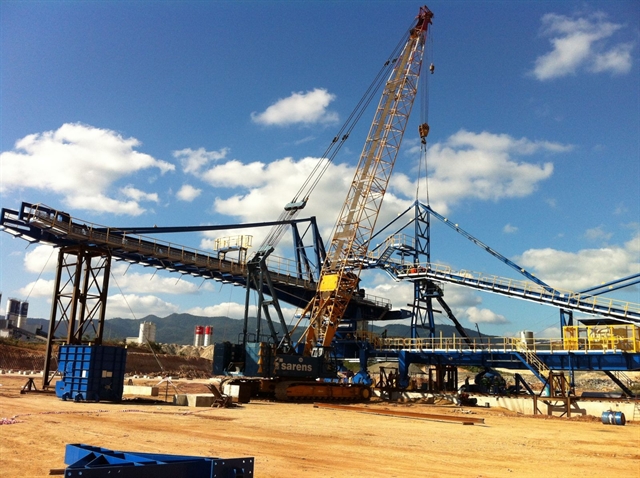
Similar challenges are evident at the Construction Machinery Corporation JSC (COMA), once one of Việt Nam's leading state-owned engineering firms, which is also struggling to complete a years-long restructuring programme aimed at shedding non-core investments, resolving legacy debts and restoring its financial health.
The Ministry of Construction approved a restructuring plan for COMA covering 2021-25 at the end of 2023, requiring the company to divest inefficient investments, refocus on its core construction machinery business, resolve outstanding debts, reduce accumulated losses and improve corporate governance.
COMA completed divestments from two subsidiaries and one affiliate in 2025. The parent company's revenue rose more than 50 per cent to VNĐ148 billion, while consolidated revenue increased 15 per cent to VNĐ330 billion. Four of its six subsidiaries were profitable, while losses at the other two narrowed.
Despite the improvement, COMA remained under financial pressure, with VNĐ870 billion in assets against VNĐ897 billion in liabilities, leaving negative equity of nearly VNĐ30 billion and accumulated losses of more than VNĐ273 billion.
Its restructuring programme also remains unfinished, with overdue receivables, asset transfers and problems at several loss-making affiliates yet to be resolved.
The company said it plans to divest its remaining stakes in three subsidiaries in 2026 while preparing a new restructuring plan for 2026-31.
COMA General Director Lê Đức Thọ said the company's restructuring had been hampered by intensifying competition, fewer construction projects and the need for substantial investment in technology and productivity.
COMA often had to compete on price or accept lower-margin subcontracting work to win contracts, Thọ said.
The restructuring drive is part of Việt Nam's broader effort to overhaul its State-owned sector under Politburo Resolution 79-NQ/TW, dated January 6.
The resolution says many SOEs have failed to match their performance with the resources they control and calls for faster reforms to improve governance, competitiveness and the efficiency of state capital while strengthening SOEs' role in strategic sectors. — VNS