HCM City ready to develop next-generation industries
HCM City is ready to develop next-generation industries, with its readiness backed by policy and practical experience, Trương Minh Huy Vũ, vice chairman of the municipal People’s Committee, said on Monday.
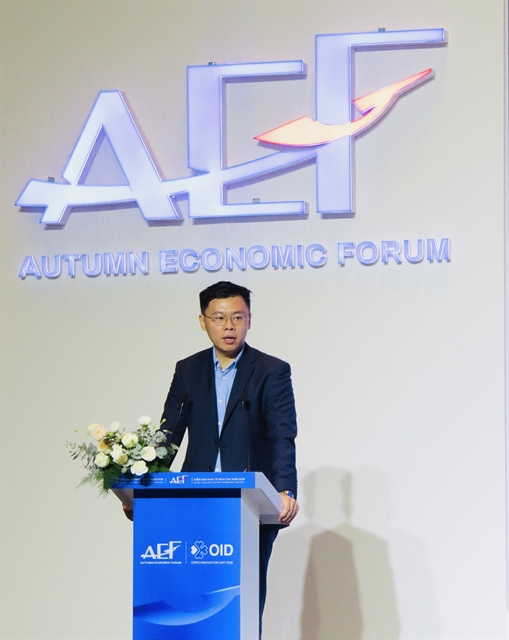
HCM CITY — HCM City is ready to develop next-generation industries, with its readiness backed by policy and practical experience, Trương Minh Huy Vũ, vice chairman of the municipal People’s Committee, said on Monday.
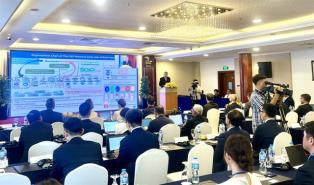
He was speaking at Open Innovation Day 2026, held in HCM City as the opening event of the Autumn Economic Forum 2026.
The city’s readiness is reflected in its regulatory framework, from central Government resolutions to local urban development regulations, Vũ said.
HCM City is finalising its master plan, which is expected to be submitted and issued in November. The plan identifies high-tech industries, innovation, science and technology as key drivers of the city’s next phase of development, he said.
The city’s ambitions are grounded in more than 20 years of developing Saigon Hi-Tech Park and operating Quang Trung Software City, its first concentrated information technology park, and the presence of more than 80 universities across the expanded city.
After four years of promoting innovation, HCM City now has more than 40 incubators, innovation centres and technology incubation facilities. Many are developing models that involve direct collaboration with corporations, businesses and international partners, helping connect research with market needs.
Following its merger with Bình Dương and Bà Rịa–Vũng Tàu, the city has gained more room for industrial development. This creates opportunities to reorganise production areas and develop high-tech and digital technology parks, as well as emerging industries.
Areas such as Bắc Tân Uyên, in former Bình Dương Province, and Châu Đức, in former Bà Rịa–Vũng Tàu Province, have the potential to accommodate large-scale industrial zones. The city is transforming industrial zones in those areas, focusing on developing high-tech industrí, high-tech agriculture zones and 11 digital technology parks.
The city also plans to mobilise public investment, public-private partnerships and private-sector funding to prepare infrastructure and attract industrial investors.
“Next-generation industries require not only infrastructure and industrial parks. They need a complete ecosystem that includes ideas, talent, incubators and mechanisms,” Vũ said.
The ecosystem must connect talent, universities, research institutes, incubators, businesses, investors and policy mechanisms. In particular, the city needs to bridge the gap between university research and technology commercialisation, enabling research findings to be applied in production and business.
HCM City is also working to strengthen the links between research institutions and businesses and to support the development and commercialisation of technology.
The company’s efforts are in line with and supported by Resolution No.57 on creating breakthroughs in science and technology development, innovation, and digital transformation, and laying a strong foundation for the nation's robust development in the new era.
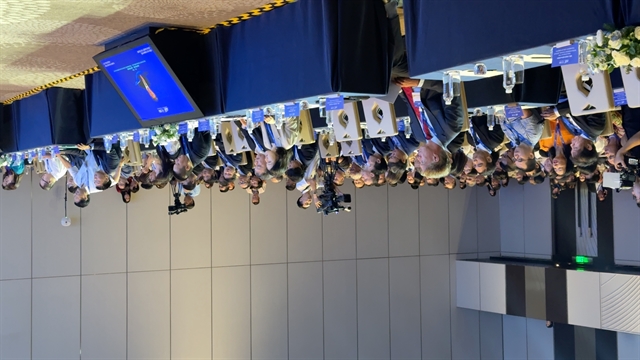
Held under the theme “Building the Next-Generation Industrial City”, Open Innovation Day 2026 brought together government agencies, businesses, investors, experts and technology partners from Việt Nam and abroad to promote collaboration, technology transfer and commercialisation.
The programme focused on open innovation, workforce development in the AI era, green energy infrastructure and the conditions needed to attract industrial investment. Discussions included competition for AI talent and the role of green energy in investment decisions.
Open Innovation Day is an annual series of discussions and business networking activities led by SoiHub – Open Innovation Hub and the Open Innovation and Technopreneur Institute. This year’s event was held in conjunction with the Autumn Economic Forum 2026 to foster partnerships and strengthen Việt Nam’s innovation ecosystem. — VNS