Hà Nội revises housing plan, prioritising green, smart urban development
The Hà Nội People’s Committee on Tuesday approved a resolution adjusting the capital city’s housing development programme through 2030, with an aim of reducing population growth in the historic inner city while promoting green and smart housing to improve residents' quality of life.
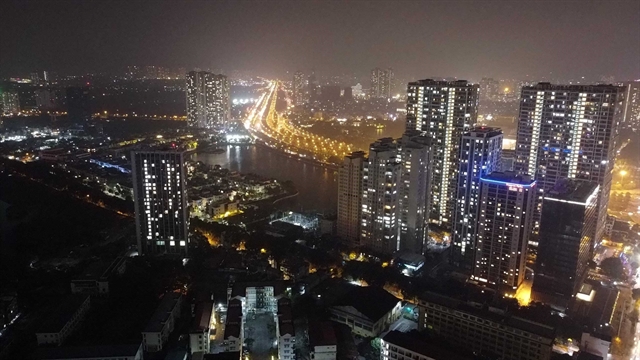
HÀ NỘI — The Hà Nội People’s Committee on Tuesday approved a resolution adjusting the capital city’s housing development programme through 2030, with an aim of reducing population growth in the inner city while promoting green and smart housing to improve residents' quality of life.
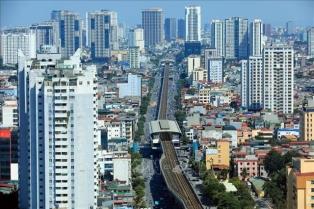
Under the revised plan, the capital city will restrict new apartment developments in the inner districts, except for projects to renovate old apartment blocks and resettlement housing, to ease pressure on infrastructure and limit further population concentration.
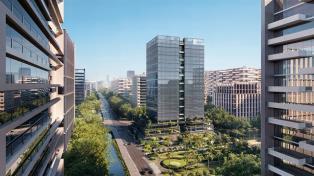
New housing and urban development projects will be required to follow smart, modern and environmentally friendly standards, with greater use of digital technologies and climate-resilient designs and ensure development of social and technical infrastructure, including health care, education, water supply, drainage and electric vehicle charging facilities.
Hà Nội aims to develop about 255 million square metres of housing floor area by 2030, equivalent to roughly 1.82 million housing units, raising the average housing space to at least 40sq.m per person. By 2035, average housing space is expected to reach a minimum of 45sq.m per person.
Social housing remains a key priority. Hà Nội plans to build at least 144,000 social housing units by 2030 and a minimum of 500,000 units by 2035.
In particular, the capital city will allow a more flexible, multi-purpose use of social housing, including conversion for resettlement, public service housing and rental units, through the city’s development investment fund.
Commercial housing development is projected to reach about 180 million square metres of floor area.
The city also aims to complete the renovation or reconstruction of all of its more than 2,000 old apartment buildings by 2035.
Experts estimate the city will need around VNĐ2.87 quadrillion (US$110 billion) for housing development by 2030, with around VNĐ2 trillion allocated to commercial housing.
The adjustment follows the adoption of the Law on Housing 2023 and is a step towards Hà Nội’s master plan with a 100-year vision. — VNS