Grade A offices embrace retail integration to enhance workplace experience
In Hà Nội, the office market is expected to see approximately 495,000 square metres of new supply across 18 projects by 2028, primarily in the Grade A segment and concentrated in the western area, adding to the importance of differentiation among developers.
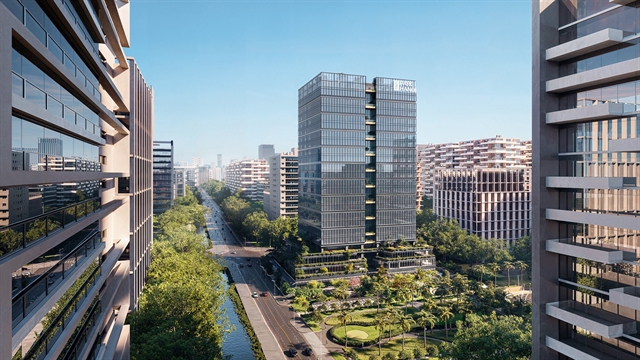
HÀ NỘI — Grade-A office buildings are increasingly incorporating retail and lifestyle amenities to meet changing workplace needs, as developers look beyond traditional criteria such as location, design and construction to create more engaging environments for employees.
The shift has gained momentum since the COVID-19 pandemic, which has reshaped workplace interactions and increased demand for offices that offer more than conventional workspaces.
In Hà Nội, the office market is expected to see approximately 495,000 square metres of new supply across 18 projects by 2028, primarily in the Grade A segment and concentrated in the western area, adding to the importance of differentiation among developers.
According to a CBRE survey conducted in November 2025, 92 per cent of respondents said collaborative spaces and social zones supported office culture, employee morale and productivity. Green spaces and natural light and air circulation were each identified by 64 per cent of respondents as contributing factors.
These findings highlight the growing importance of the workplace environment in shaping employees’ daily experiences and the way they interact with their offices.
Traditionally, office buildings have been classified into Grades A, B and C based primarily on their location, design, construction quality and building structure. However, evolving workplace needs are prompting developers and designers to reconsider how these classifications reflect the value and experience of modern offices.
One emerging approach is to integrate retail and lifestyle facilities into office developments, creating destinations that serve employees and attract visitors beyond working hours.
In Singapore, PLUS, a Grade-A office building in Raffles Place, features two floors of retail and commercial space, including food and beverage outlets, a gym and a spa.
Marina One’s “The Heart” offers another example, with more than 14,000 square metres of commercial space featuring restaurants, a supermarket, a gym and other amenities. The development attracts a diverse range of visitors, including at weekends.
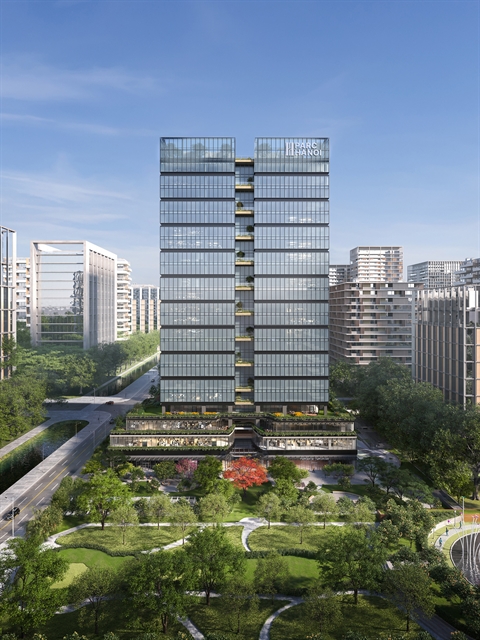
In Việt Nam, Parc Hanoi is positioning its retail component as a hub for everyday needs, designed to enhance the experience of the building’s community.
The development also features a wellness hub on Level 2, with fitness facilities, relaxation areas, open spaces for events and private meeting rooms of various sizes.
The combination of retail, wellness and office facilities is intended to create a more integrated environment for tenants and visitors, while offering opportunities for brands closely connected to everyday lifestyles. A daily presence within the building can help such brands strengthen awareness and maintain regular engagement with the office community.
As the Grade-A office market expands and workplace expectations continue to change, retail integration is emerging as one approach to making office developments more responsive to the needs of businesses and their employees. — VNS