Fuel demand surges at State-run petrol stations amid global price spike
Fuel demand surged at state-run petrol stations after price hikes as global oil volatility linked to Middle East tensions adds pressure on Việt Nam’s fuel supply system.
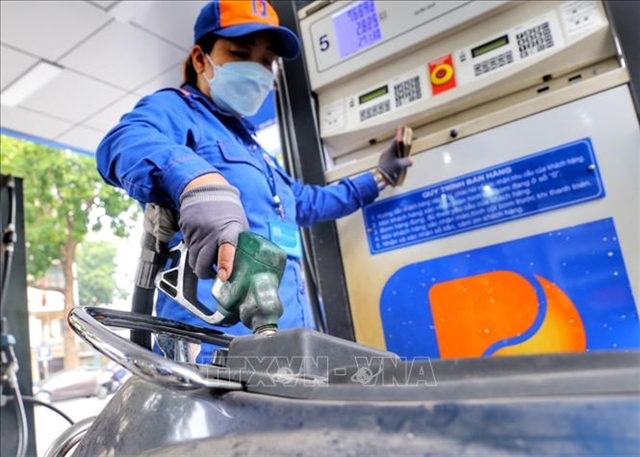
HÀ NỘI — Surging fuel demand in Việt Nam is placing growing pressure on domestic retailers to secure supply, with sales rising even faster than during the 2022 disruptions linked to the Russia-Ukraine conflict.
PetroVietnam Oil Corporation (PVOIL) said retail fuel sales at its roughly 1,000 petrol stations rose sharply in early March as businesses and transport operators rushed to stockpile fuel.
Average daily sales on March 4 increased 32 per cent compared with the January average and 43 per cent from February levels. By March 5, sales had climbed further: up 44 per cent from January and 55 per cent from February. Demand for diesel alone surged 63 per cent compared with January.
According to the company, some heavy trucks equipped with additional fuel tanks were seen repeatedly purchasing large volumes — up to 600 litres per refill: shortly after retail prices were adjusted upward. The practice, which raises fire safety risks and may create temporary shortages at individual stations, resembles stockpiling behaviour seen during the 2022 supply disruptions triggered by the Russian military operation in Ukraine.
The surge in demand comes as global fuel prices climb rapidly amid escalating tensions in the Middle East. Data from the Singapore Platts market, the main benchmark for Việt Nam’s fuel imports, showed sharp increases over the past three days.
From March 2 to March 5, the price of RON92 gasoline rose by nearly US$16 per barrel, while RON95 gained about $16.6 per barrel. Diesel prices surged even faster, jumping roughly $37.7 per barrel over the same period.
Under Việt Nam’s pricing formula, a $1-per-barrel rise in Platts prices typically requires domestic retail prices to increase by about VNĐ160 per litre for fuel distributors to break even.
However, according to PVOIL, the latest retail price adjustment on March 5, which raised RON95 by VNĐ2,189 per litre, E5RON92 by VNĐ1,926 and diesel by VNĐ3,758, still lags behind the pace of global increases, leaving some importers facing losses.
The company has therefore proposed that authorities consider moving to daily price adjustments instead of the current weekly cycle to help wholesalers respond more quickly to global market volatility.
Bùi Ngọc Bảo, chairman of the Vietnam Petroleum Association, said state-owned wholesalers such as Petrolimex and PVOIL often maintain imports even at a loss to ensure supply, while many private firms lack the financial capacity to do so, creating risks of temporary shortages.
He urged the Government to soon adopt a new petroleum trading decree allowing wholesalers and retailers greater pricing autonomy while regulators focus on monitoring the market.
Giang Chấn Tây, director of fuel trading company Bội Ngọc Co Ltd, said current rules require wholesalers to maintain reserves equal to 20 days of supply and distributors five days. He suggested Việt Nam build a national fuel reserve covering 30–60 days of consumption and accelerate ethanol production for E10 blending to strengthen long-term supply security. — BIZHUB/VNS