EPR scheme boosts incentives for plastic recycling
Việt Nam’s plastics industry is seeking to turn waste into valuable raw materials as EPR requirements drive collection and recycling.
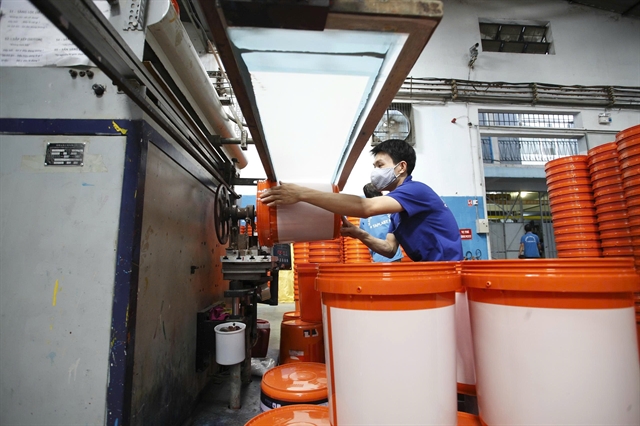
HÀ NỘI — Việt Nam’s plastics industry, with more than 6,000 businesses and hundreds of thousands of workers, is facing growing pressure to improve resource efficiency and recycle used products as environmental requirements become more stringent.
The industry was valued at an estimated US$34.3 billion in 2025, up from $31.4 billion in 2024, according to the Vietnam Plastics Association. Its products reach more than 190 countries and territories, with exports estimated at $10 billion last year.
Plastics are widely used in packaging, construction, electronics, healthcare and agriculture, making the industry an important supplier to manufacturing and consumer markets. However, the scale of production also raises questions about raw material use and the management of products after use.
Some businesses have recently organised collection programmes for used plastics, with one company reporting that it recovers around 500 tonnes a month, according to the association. Previously, some plastic packaging and products were rarely collected because they had little commercial value or lacked viable recycling outlets.
The association said creating economic value from recovered materials could encourage more businesses and collection operators to participate in recycling. Effective recycling, however, depends on sorting waste at source and separating materials by quality so that suitable plastics can be sent to recycling plants.
EPR and the green transition
The regulatory framework includes Government Decree No. 110/2026/NĐ-CP, which took effect on May 25, 2026 and sets out recycling responsibilities for producers and importers of products and packaging covered by the regulations.
The association’s figures show that Việt Nam imported 9.66 million tonnes of plastic raw materials worth $12.5 billion in 2025. In the first nine months of 2026, imports reached 7.3 million tonnes, worth $10.3 billion.
Greater use of recycled plastics could help retain more materials within the domestic economy, although their ability to replace virgin resins depends on quality, availability and cost.
As the green transition gathers pace, environmental solutions should not focus solely on replacing plastic with other materials. Instead, the environmental impact of products should be assessed throughout their life cycles, from design and manufacturing to use, collection, recycling and final treatment.
“The industry's challenge today is not only to develop production, but also to enhance the value of materials throughout their entire life cycle – from design and resource use to production, collection, reuse and recycling,” said Đinh Đức Thắng, chairman of the Vietnam Plastics Association.
He said treating plastic waste as a valuable resource and returning it efficiently to the production cycle could help reduce environmental pressure, create additional economic value and improve the industry's competitiveness.
The European Union’s Packaging and Packaging Waste Regulation (PPWR), which began applying on August 12, 2026, introduces requirements covering packaging reduction, design, reuse, recyclability and recycled content. These rules are prompting businesses supplying the EU market to review their packaging and material choices.
The association identified three priorities for the industry: improving collection and recycling, redesigning products to make recovery easier, and reducing plastic content where possible without compromising essential functions.
Việt Nam’s plastics industry growth is not only about expanding production but improving recycling and make better use of plastic waste as businesses face growing pressure to reduce environmental impacts and use resources more efficiently. — BIZHUB/VNS