Corporate bond market faces mounting maturity pressure as funding costs stay high
Issuers also face costs associated with advisory services, agents, registration, depository services and collateral.
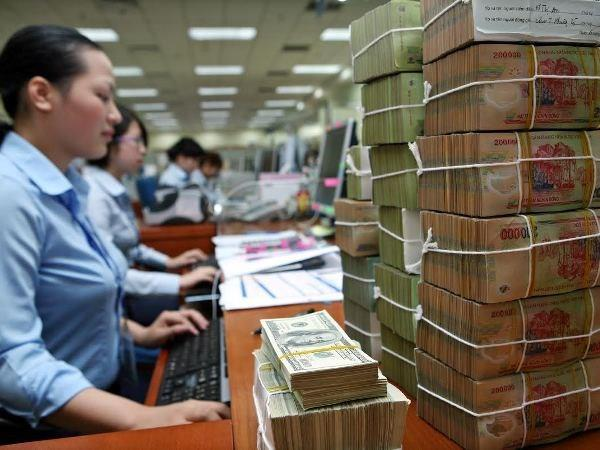
HÀ NỘI — The domestic corporate bond market is facing growing pressure from upcoming maturities and delayed payments, while elevated borrowing costs are making refinancing increasingly challenging, particularly for property developers.
Data from KIS Vietnam Securities Corporation show that corporate bonds worth more than VNĐ10 trillion (US$380 million) could mature in August, up 24 per cent from the previous month. Real estate accounts for 38.5 per cent of the total, followed by banks at 14.9 per cent.
Vietjet Aviation and Hung Thinh Corporation face the largest maturities, at around VNĐ2 trillion and VNĐ1.8 trillion, respectively. Other sizeable obligations include VNĐ1.7 trillion at Van Huong Investment and Tourist, VNĐ1.5 trillion at Asia Commercial Bank (ACB), VNĐ1 trillion at Kinh Bac City Development Holding Corporation and VNĐ945 billion at Novaland.
Pressure will also extend beyond August. According to the Vietnam Bond Market Association (VBMA), bonds worth VNĐ103.9 trillion are expected to mature during the remainder of 2026. Property developers account for 54.3 per cent, or VNĐ56.4 trillion, while banks represent VNĐ20.8 trillion.
Payment difficulties have already surfaced. KIS Vietnam said delayed payments jumped to VNĐ7.99 trillion in July, up 27,818 per cent month-on-month and 166.4 per cent year-on-year. Delayed principal payments reached VNĐ4.6 trillion, while overdue interest totalled VNĐ3.4 trillion.
Bong Sen Corporation alone recorded VNĐ3.1 trillion of delayed interest payments because its accounts had been frozen. The company also faces VNĐ4.8 trillion in principal on a bond scheduled to mature in October.
Meanwhile, banks continued to dominate new issuance.
KIS Vietnam reported that the sector issued VNĐ20.7 trillion of bonds in July, representing 78 per cent of total issuance. HDBank and Sacombank were the largest issuers, raising VNĐ7.1 trillion and VNĐ3.7 trillion, respectively.
VBMA data separately showed 20 issuances worth more than VNĐ17.6 trillion took place during July, bringing cumulative issuance in the first seven months to nearly VNĐ290 trillion.
The cost of accessing the market, however, varied sharply between sectors.
All three property bond issuances in July carried annual coupon rates of 12.5 per cent, compared with 7.9-10 per cent for bank bonds.
Crystal Infrastructure Construction Company issued VNĐ2 trillion of five-year bonds at a 12.5 per cent annual coupon, while Vinhomes also issued private-placement bonds carrying the same rate during their initial interest periods.
High funding costs make issuing new bonds for refinancing or restructuring liabilities more difficult, requiring companies to balance their immediate capital needs against their ability to generate sufficient cash flow for future debt servicing.
Early redemptions also slowed sharply. Companies repurchased VNĐ15.4 trillion of bonds before maturity in July, down 78.2 per cent from June and 42.8 per cent year-on-year, according to KIS Vietnam. Banks accounted for 85.5 per cent of the total.
Becamex IDC, meanwhile, plans to issue up to VNĐ710 billion of three-year bonds to restructure bank loans, with an annual coupon of 11 per cent for the first two interest periods.
Additionally, issuers also face costs associated with advisory services, agents, registration, depository services and collateral.
Blue Bridge Investment Partners CEO Nguyễn Thị Triều said around 80 per cent of bonds currently issued come from banks and property companies, while banks themselves account for up to 70 per cent of buyers. This indicates that the corporate bond market has yet to establish a capital flow fully independent of bank credit.
Regulatory changes are also accompanying the market’s restructuring. The Government issued Decree 200/2026/NĐ-CP on June 5 to further improve the legal framework governing private corporate bond offerings and trading.
State Securities Commission Vice Chairman Nguyễn Hoàng Dương said the decree was designed both to facilitate transparent capital raising by businesses and introduce provisions supporting the safe and efficient development of the market. — BIZHUB/VNS