Auto market softens even as imported models outperform
In November alone, VAMA members delivered 39,338 units, an increase of 4 per cent from October but 11 per cent lower year-on-year.
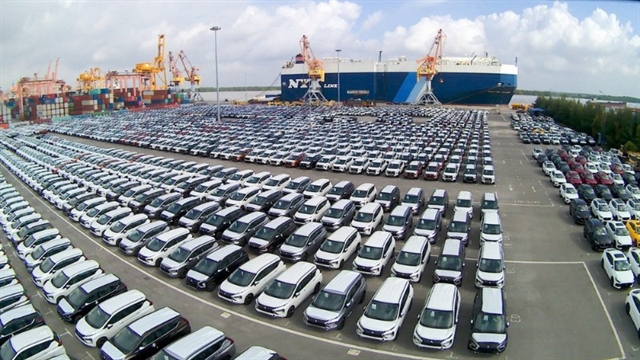
HÀ NỘI — Imported car sales continued to outpace locally assembled vehicles in the January–November period, rising 17 per cent to 173,252 units, while domestic assembly fell 3 per cent, according to data from the Vietnam Automobile Manufacturers Association (VAMA).
This marks the ninth consecutive month in which imported models have led the market.
VAMA members sold 328,669 vehicles in the first 11 months of 2025, up 6.5 per cent from a year earlier. The shift highlights changing consumer preferences and stronger availability of fully built-up imports after global supply chains stabilised.
In November alone, VAMA members delivered 39,338 units, an increase of 4 per cent from October but 11 per cent lower year-on-year. Passenger cars remained the largest category with 28,557 units, up 5 per cent. Commercial vehicles reached 10,273 units, while special-purpose vehicles fell 3 per cent to 488 units.
By origin, locally assembled vehicles recorded 18,370 units in November, rising 7 per cent from the previous month. Imported cars reached 20,968 units, up 1 per cent.
SUVs continued to dominate demand, with 9,870 units sold in November. Hybrid models reached 1,340 units, slightly down from October but still 4 per cent higher than a year earlier. Battery electric vehicle sales among VAMA members were at zero during the month.
For the January–November period, passenger car sales slipped 1 per cent, while commercial vehicles climbed 29 per cent, and special-purpose vehicles expanded 70 per cent.
Analysts said imported models continue to gain ground as supply chains recover and shipments return to normal, giving international brands an advantage with a broader line-up of high-tech SUVs, hybrids and premium cars.
Domestic assemblers, meanwhile, face rising costs for parts, logistics and labour, and the low localisation rate of about 10-15 per cent makes their products less competitive than vehicles coming from Thailand and Indonesia, where zero import tariffs under ATIGA keep prices lower.
VAMA data excludes several major brands, including VinFast, Mercedes-Benz, Volkswagen, Volvo, Nissan, Subaru, Audi and Jaguar Land Rover, meaning actual market demand is larger than the association’s figures suggest.
Despite the year-end shopping season, sentiment remains subdued as consumers hold back on big-ticket purchases. Toyota led VAMA members with 7,731 units sold in November, unchanged from October and down 11 per cent year-on-year. Kia posted the strongest monthly gain, rising 26 per cent to 2,961 units.
Market observers expect deeper promotions and new model launches in December to support sales during the peak buying season. — BIZHUB/VNS