Auto market forecast to accelerate in H2
The sales rose 13 per cent for passenger vehicles, 32 per cent for commercial vehicles and 119 per cent for special-purpose vehicles. The exceptional growth of the special-purpose vehicle segment reflects strong investment demand in infrastructure, logistics, and industrial production.
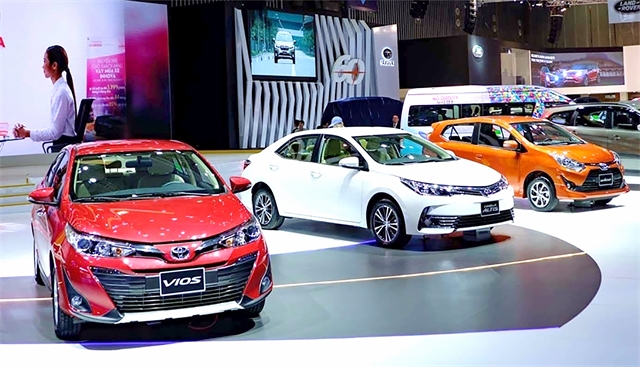
HÀ NỘI — The automotive market is expected to gain momentum in the second half of the year after regaining its growth trajectory during the first few months of 2026.
According to the Vietnam Automobile Manufacturers’ Association (VAMA), the market will have four key growth drivers until the end of the year, including the vehicle replacement cycle, the rapid expansion of electric vehicles (EVs), the shift toward SUVs and intensified price competition.
One of the strongest growth catalysts is the replacement cycle following the surge in vehicle purchases during 2023–2024. As vehicles sold in previous years reach two to three years of use, demand for upgrades from both individual consumers and corporate fleets is beginning to recover. This cyclical trend has historically provided a natural boost to overall market growth.
At the same time, recovering household incomes and stronger manufacturing and service-sector activity are improving consumers’ ability to make major purchases such as automobiles. This trend is particularly important as Vietnamese consumers increasingly prioritise private vehicle ownership for greater flexibility, convenience and safety.
Electric vehicles have evolved from a niche segment into one of the market’s primary growth drivers. Decree 202/2026/NĐ-CP, dated June 8, 2026, on extending the exemption of registration fees for electric vehicles until the end of 2030 has significantly strengthened the appeal of EVs across all segments.
Meanwhile, the rapid expansion of charging infrastructure, combined with the launch of more affordable EV models by both domestic and international automakers, is making electric mobility increasingly accessible to middle-income and mass-market consumers. Mini EVs, compact electric SUVs, and vehicles serving transportation and mobility services are expected to lead this growth.
Another major growth driver is the ongoing shift toward SUVs. Vietnamese consumers increasingly favour high-riding vehicles for their versatility, spacious interiors, and suitability for local road conditions.
As a result, traditional sedan segments continue to lose market share, while SUVs and multi-purpose vehicles (MPVs) have become the backbone of industry sales. This trend is encouraging automakers to restructure their product portfolios, with greater emphasis on high-clearance models across every price segment.
Inventory pressure carried over from the previous year, together with the rapid entry of new brands, particularly from Asia, is expected to keep price competition intense throughout the second half of 2026.
Automakers are likely to maintain promotional campaigns, direct discounts, registration-fee support, and consumer financing incentives. Although these measures may compress profit margins, they are expected to play a critical role in stimulating demand, especially among first-time vehicle buyers.
The second half of the year is widely expected to mark a clearer recovery for Việt Nam’s automotive market following a volatile first six months. While inventory challenges and pricing pressure remain, a combination of supportive structural factors is creating a stronger foundation for more sustainable growth.
Trần Văn Mỹ, general director of Vietnam Automobile Trading, Manufacturing and Service JSC, told Đầu tư Chứng khoán (Securities Investment) Newspaper that the market is entering a new product cycle, with many automakers introducing attractive new models at more accessible price points.
He expects the market to remain stable through the end of the third quarter before accelerating in the fourth quarter, traditionally the industry's peak sales season when manufacturers and dealerships concentrate resources to maximise sales.
The market’s expected acceleration during the final six months of the year is being driven not only by improving sales figures but also by supportive government policies, especially the decree extending the exemption from registration fees for electric vehicles until the end of 2030.
Growth momentum returns
According to VAMA, member companies sold a total of 125,405 vehicles through the end of May 2026, representing a 20 per cent year-on-year increase.
The sales rose 13 per cent for passenger vehicles, 32 per cent for commercial vehicles and 119 per cent for special-purpose vehicles. The exceptional growth of the special-purpose vehicle segment reflects strong investment demand in infrastructure, logistics, and industrial production.
Hybrid vehicles delivered one of the market’s standout performances, with cumulative sales reaching 8,518 units during the January–May period, up 80 per cent compared with the same period last year.
These results indicate that Việt Nam’s automotive market has maintained a solid recovery since the beginning of 2026. Demand for vehicles serving both personal mobility and business purposes, together with growing consumer interest in fuel-efficient and hybrid models, is expected to remain a key driver of industry growth in the months ahead.
Automakers are forecast to further expand their green vehicle portfolios through the end of the year, recognising that this segment still offers considerable untapped potential.
Against a backdrop of intensifying competition, manufacturers are no longer competing solely on pricing but increasingly on product offerings.
The introduction of new models enables brands to expand into additional market segments, replace ageing products and regain market share, making product development an increasingly important strategic differentiator.
According to an executive at a major vehicle distributor in Hà Nội, the launch of new models serves as an important catalyst that helps sustain market momentum and reshape competitive dynamics among brands. VNS